
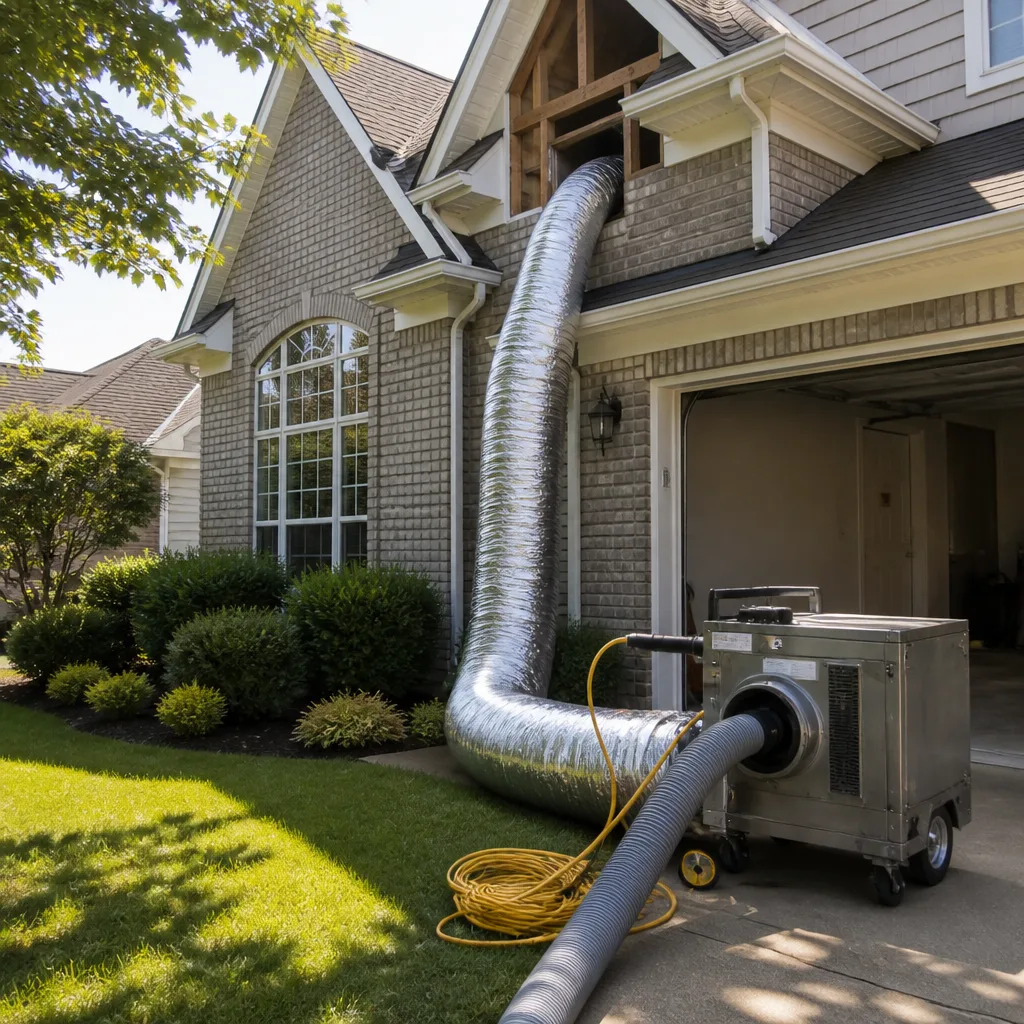
 Whole-home duct cleaning
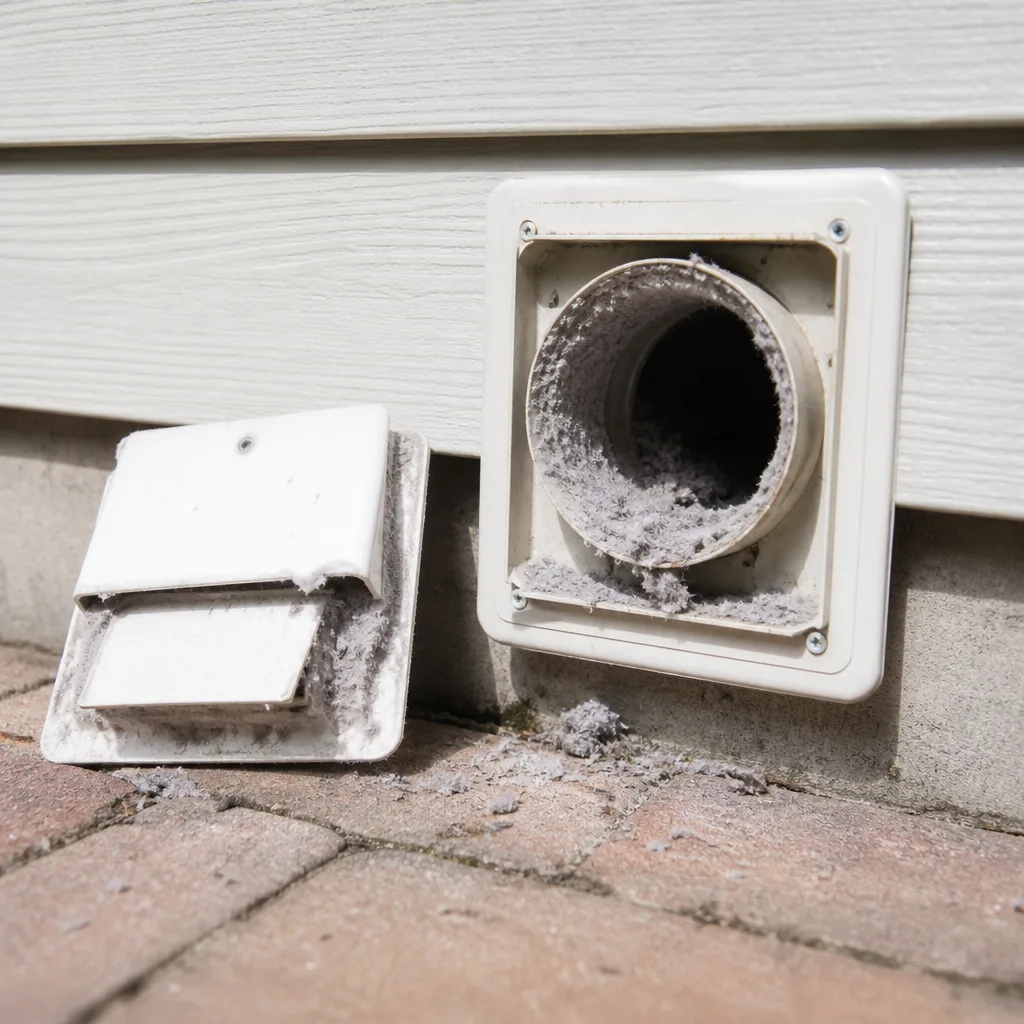 Dryer vent cleaning
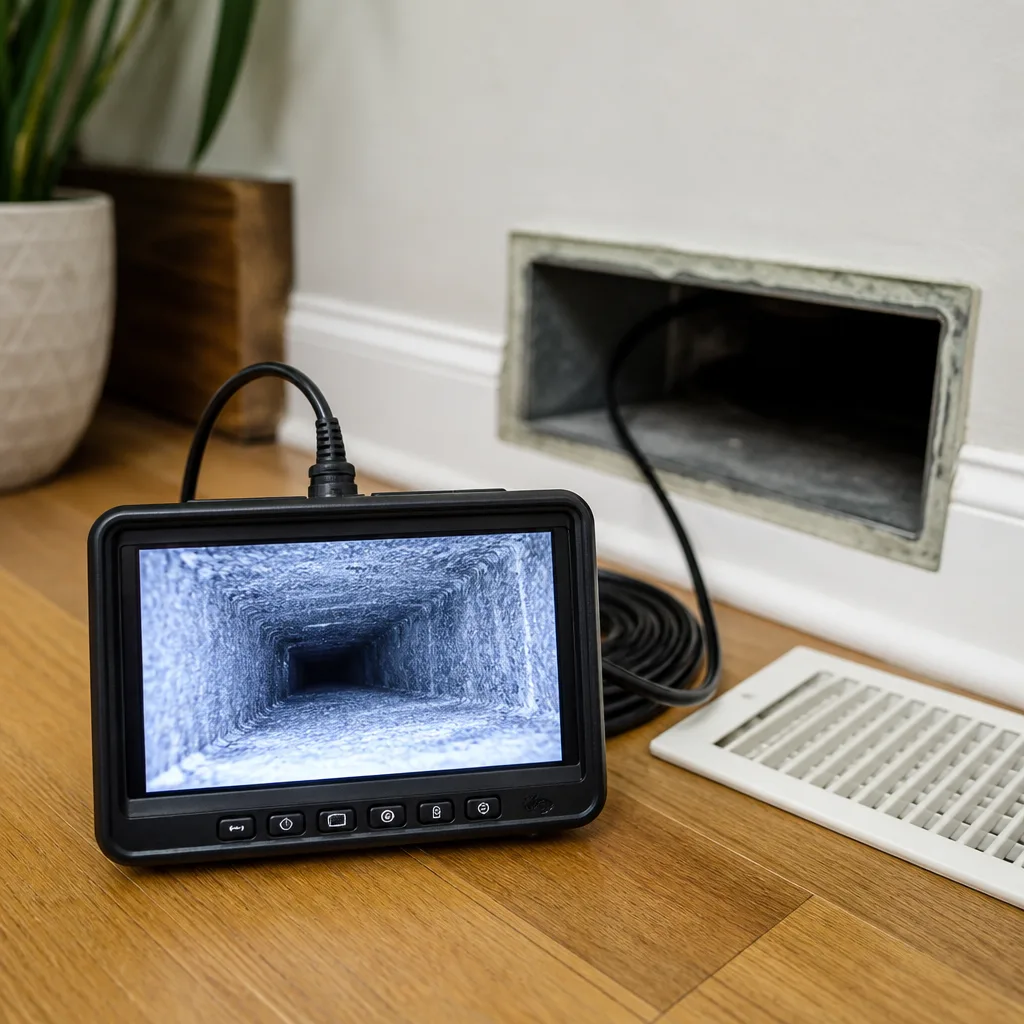 Camera inspection
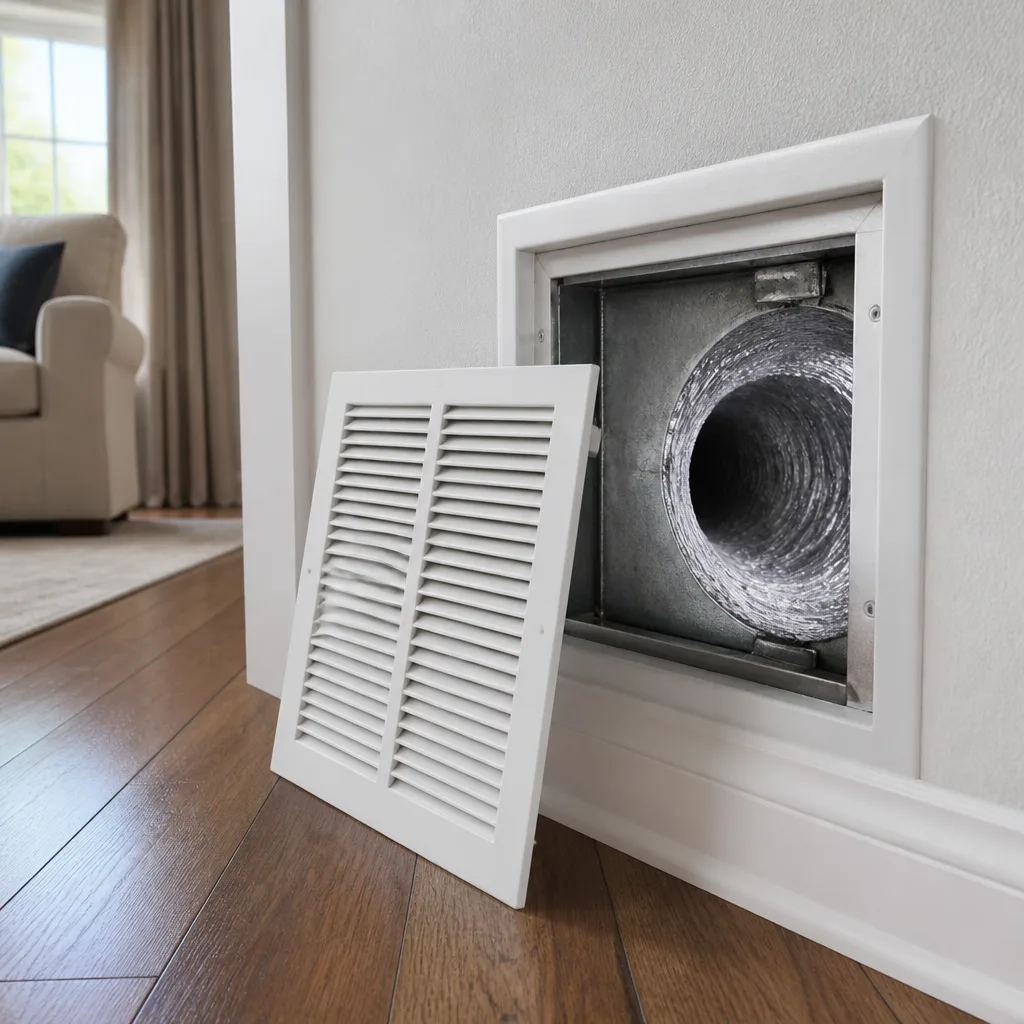 Sanitizing & deodorizing
Whole-system duct and dryer vent check with before-and-after photos - you see exactly what came out of your vents
That "$99 whole-house special" is a bait ad - the real number appears once they are in your hallway, or the "clean" is a shop-vac at the register. We photograph the inside of your ducts before and after instead.
Rotobrush Vent Sanitizing: The San Antonio Owner’s Guide
We stock and install Rotobrush-compatible vent sanitizing components across San Antonio, with most swaps running between $95 and $240 installed depending on the specific part and your system’s age. We carry the common Rotobrush sanitizer nozzles, atomizer heads, and solution line fittings on the truck, so a single visit usually wraps up the whole job. Owners typically notice the problem when the sanitizer stops fogging evenly, the nozzle drips instead of mists, or the unit starts leaving wet spots inside the vents.
Most of the calls we get about this part start the same way: someone goes to run their Rotobrush sanitizer after a full duct cleaning, and the mist comes out weak or not at all. A few years of San Antonio’s mineral-heavy water and the fine dust that finds its way into everything means the nozzle and seals are usually the first things to go. Paul Adeyemi has walked enough of these units apart to know exactly which fitting to check before ordering anything.
Which Rotobrush Models This Applies To
Most Rotobrush sanitizing setups we see in San Antonio homes fall into two groups: the standalone fogger/atomizer units and the sanitizing attachments built into Rotobrush’s newer duct cleaning systems. The key compatibility check is the nozzle thread pattern and the solution line diameter, not the model name on the case. Rotobrush has changed fitting sizes across production years, and we’ve seen mismatched aftermarket parts strip a nozzle mount that would have been a ten-minute fix with the right piece.
For OEM versus aftermarket on Rotobrush sanitizing parts: the OEM nozzles and seals are worth the extra cost because the tolerances on the atomizer tip control how evenly the sanitizer mists. A cheap aftermarket nozzle that doesn’t seat correctly will drip sanitizer into the duct instead of fogging it, which means half your solution ends up in a puddle. We stock both OEM Rotobrush components and quality aftermarket equivalents for most common fittings, and we’ll tell you straight which one makes sense for your unit and how long each should last before we order anything.
Styles & brands we work with
Signs Your Rotobrush Vent Sanitizing Is Failing
- Weak or patchy mist from the nozzle. The atomizer tip is partially clogged with mineral scale. San Antonio’s hard water accelerates this more than people expect, and it’s the single most common failure we replace.
- Sanitizer dripping instead of fogging. The O-ring or seat seal on the solution line has dried out and is letting air bypass. These seals harden with time and exposure to sanitizer residue, and once they go, the mist pressure drops fast.
- Unit runs but solution level barely drops. The feed tube inside the reservoir has hardened and pulled away from the pickup fitting. We see this on units stored in hot San Antonio garages where the tubing bakes through the summer.
- Puddling around the machine’s base after use. A cracked fitting or loose line connection is weeping sanitizer. It usually looks minor, but it means solution isn’t reaching the nozzle at full pressure.
- Uneven coverage in certain vent runs during cleaning. The nozzle has drifted out of alignment or the tip is partially blocked on one side. This one’s easy to miss unless you’re paying attention to how the fog moves through each vent opening.
See the difference
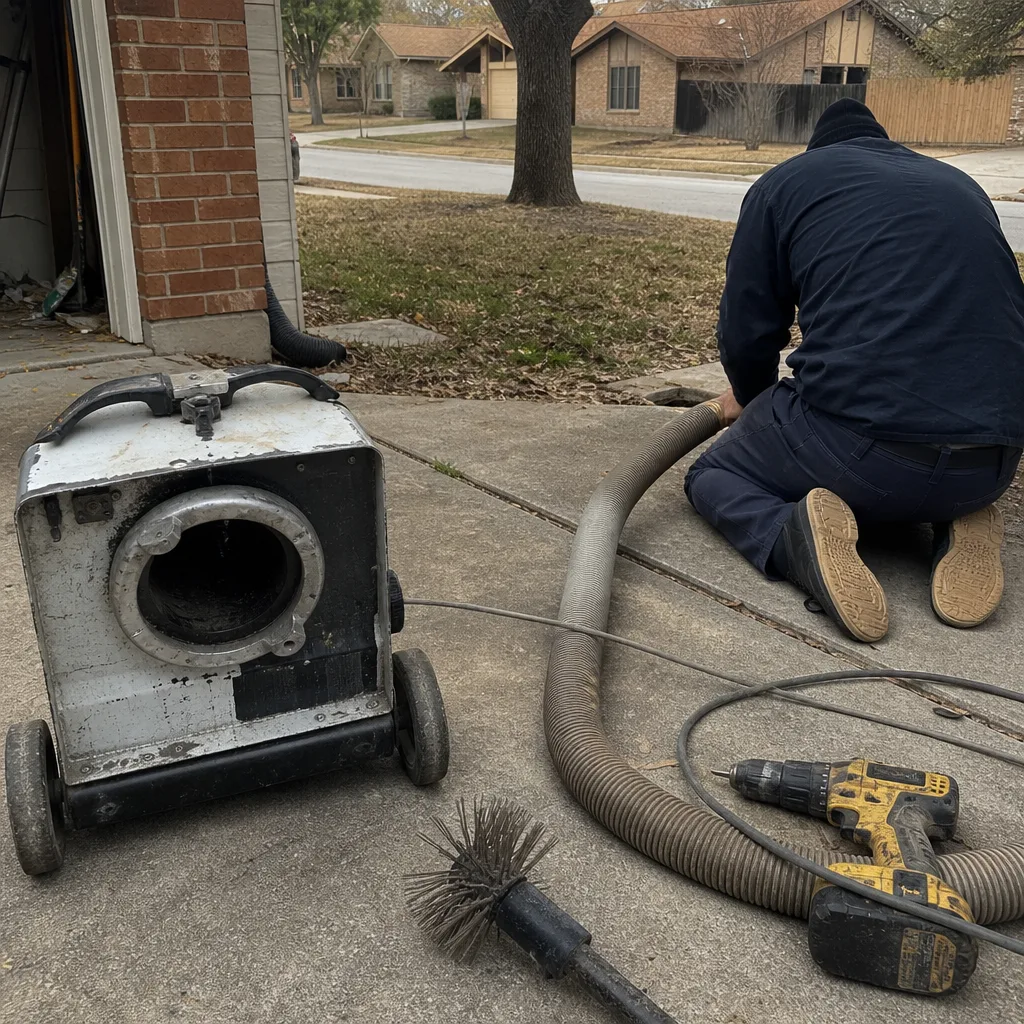 Before
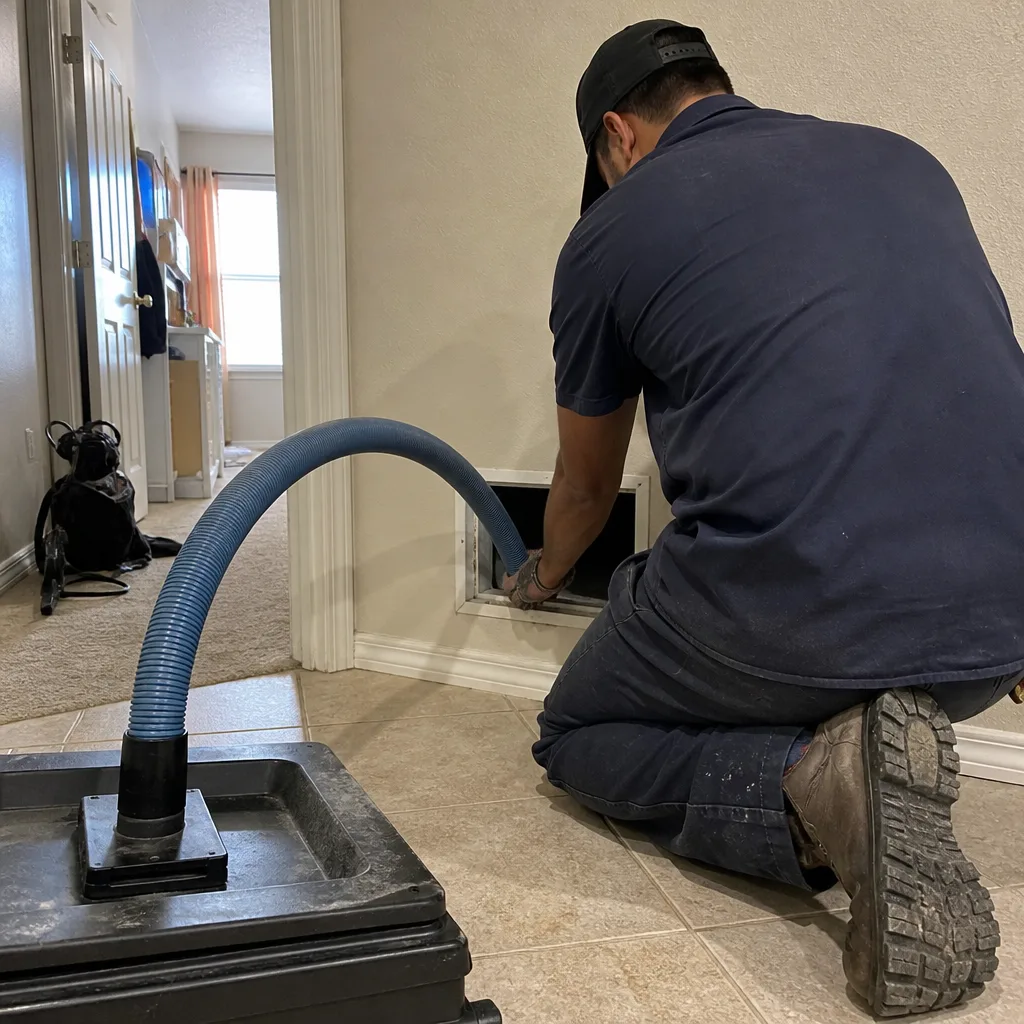 After
After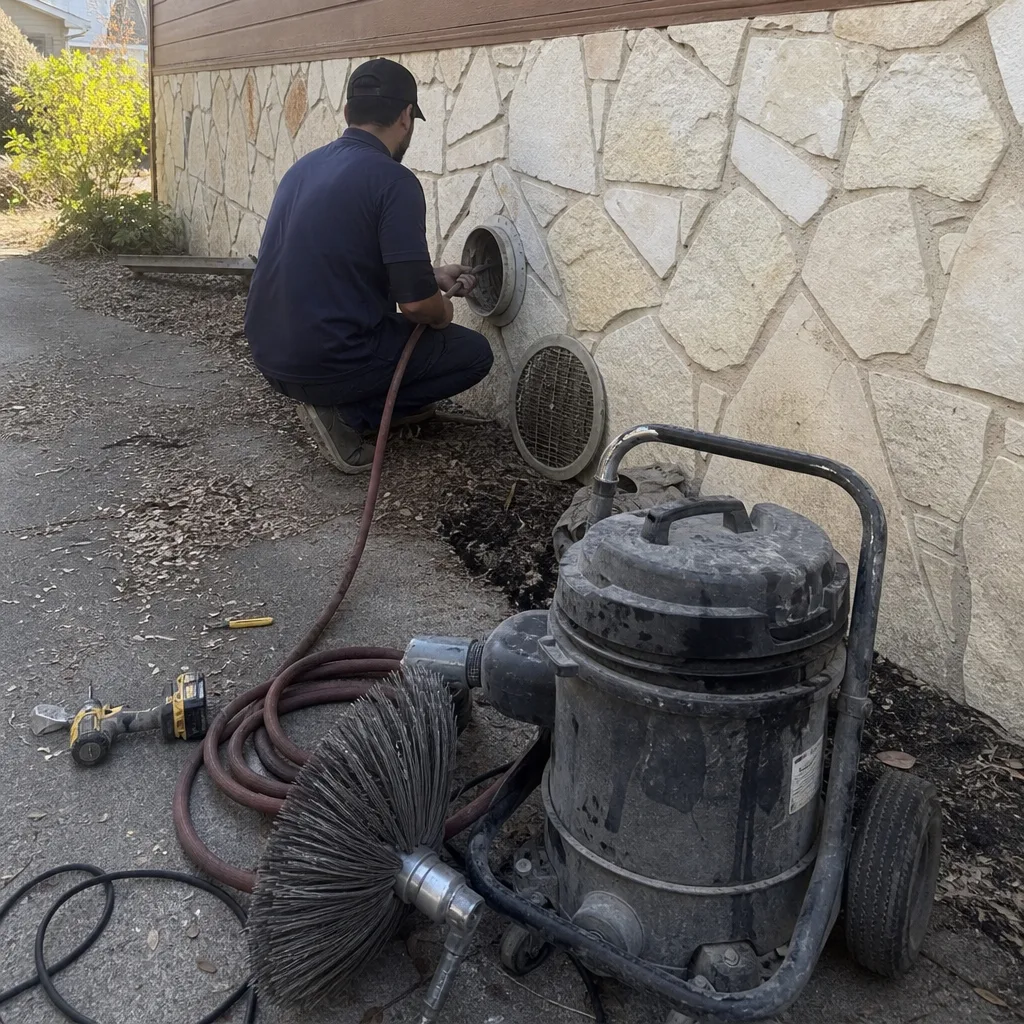 Before
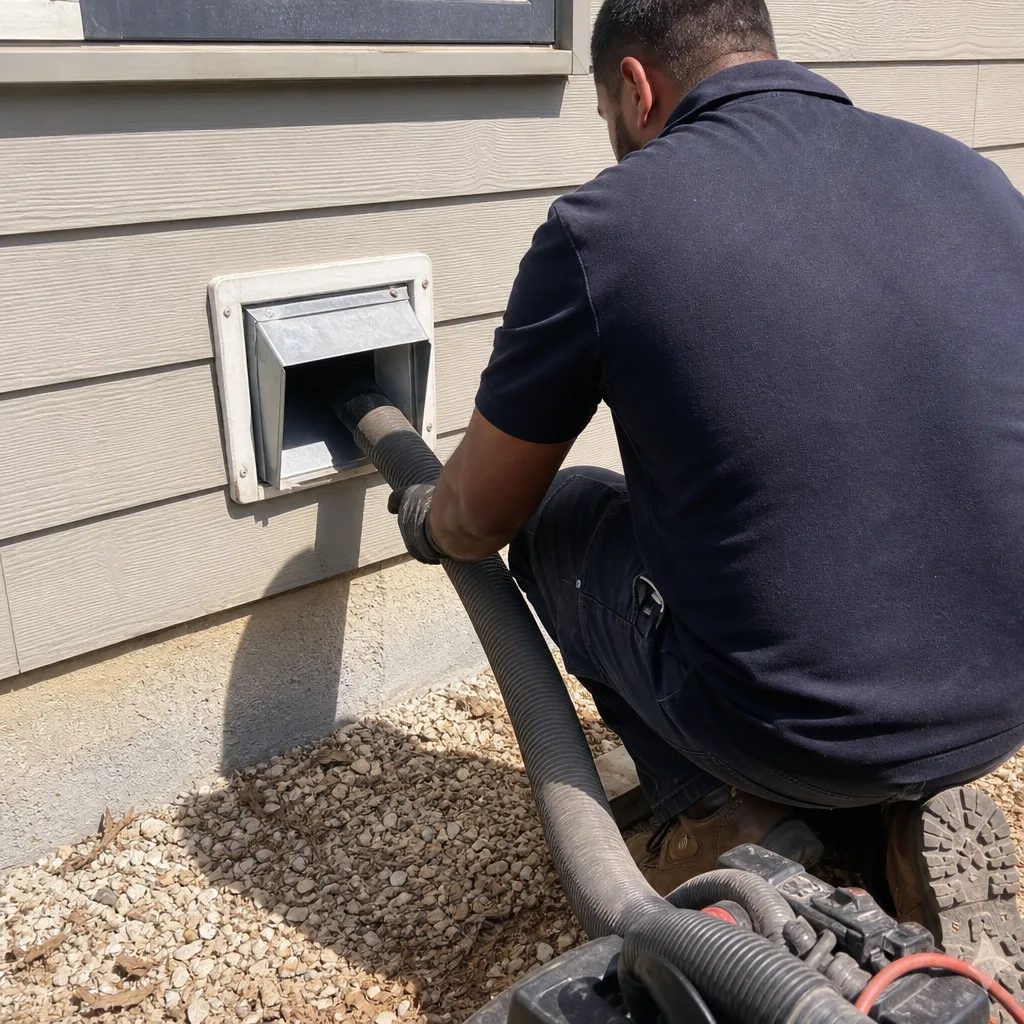 After
After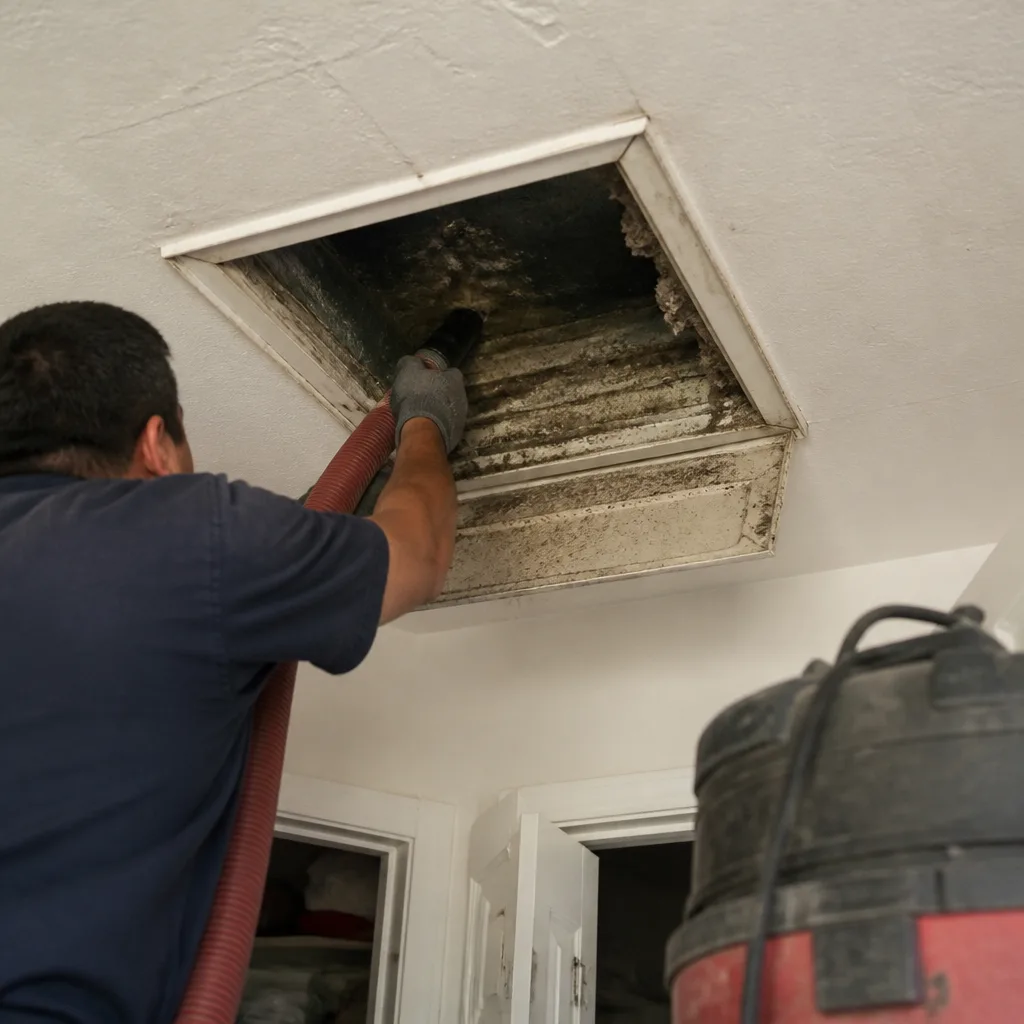 Before
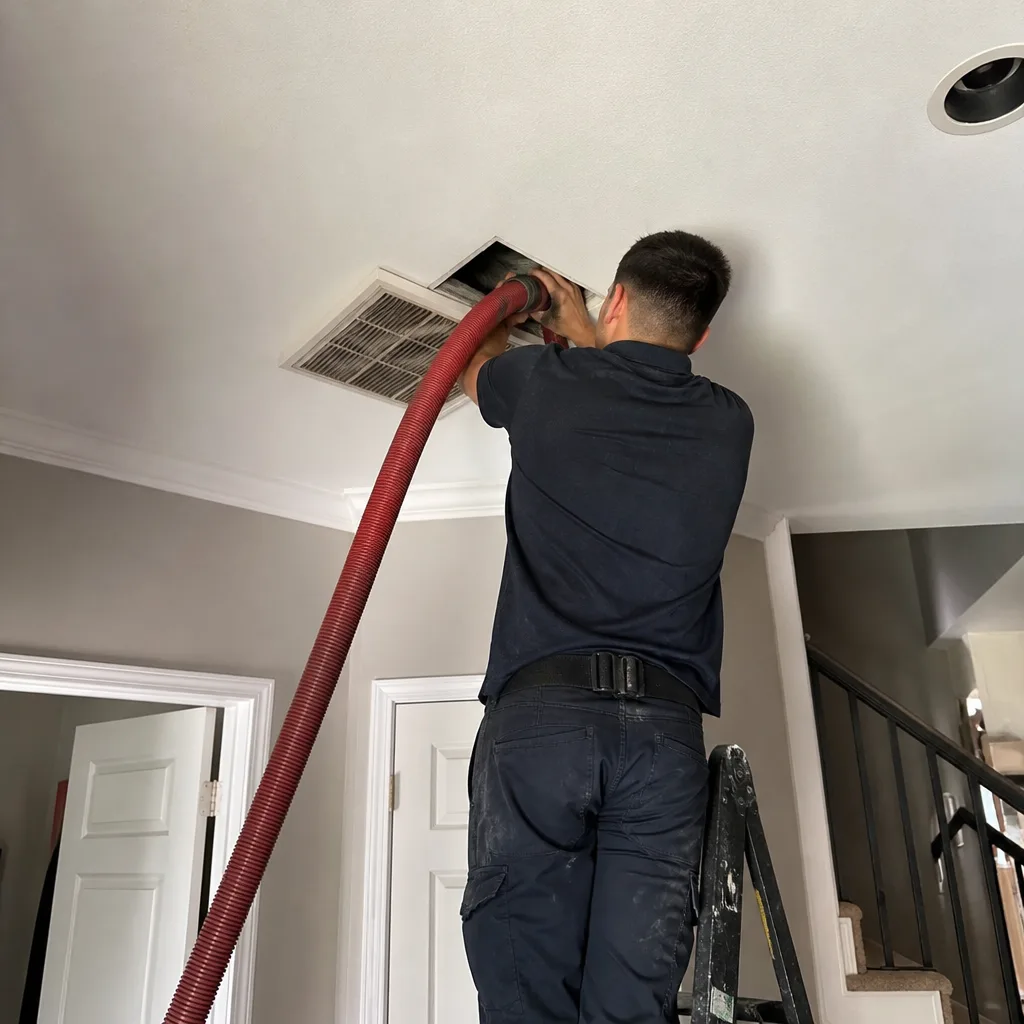 After
AfterReplacement Cost & What’s Included
In San Antonio, Rotobrush vent sanitizing component replacement usually lands between $95 and $240 installed. The lower end covers a nozzle swap and seal replacement with a quality aftermarket part. The higher end covers a full OEM atomizer head replacement, new solution line, and system pressure check. What drives the difference is whether the rot is just the tip or the whole feed path.
Every quote from us is one written price for the whole job before we start: part, labor, and the pressure test afterward. No per-fitting add-ons, no surprise line items. The work is covered by our 365-Day Done Right Promise, and if anything about the sanitizer’s performance isn’t right within a year, we make it right at no charge. You’ll also get a photo of the unit after the swap and the clean-up before we leave, because you shouldn’t have to take a sanitizer repair on faith.
DIY or Call Us?
There are a few things an owner can check safely before calling: confirm the sanitizer solution isn’t expired or thickened, check that the reservoir cap seals correctly, and verify the unit is getting consistent power if it’s a plug-in model. Those are low-risk checks that don’t require opening anything. What you should not do is attempt a nozzle removal on a sealed fitting, especially if the sanitizer has dried around the threads. A seized atomizer tip that gets forced usually takes the mount with it, doubling the repair cost.
Also, this work involves pressurized sanitizer solution. Getting it in your eyes or breathing a direct mist of concentrated sanitizer is unpleasant at best. If the diagnosis points anywhere past the cap and the solution tank, call us at (903) 354-8393. We’ll walk the vent layout with you before a single tool comes off the truck, and you’ll know exactly what we’re doing and what it costs before we start.
FAQs
Most Rotobrush sanitizer nozzles and seals last 3 to 5 years in San Antonio homes, with mineral-heavy water and summer garage heat shaving years off the lifespan compared to other markets. If your unit lives in a garage, expect to replace seals closer to the three-year mark. Call (903) 354-8393 and we’ll tell you over the phone whether yours is worth repairing or swapping before you spend anything.
Sometimes a partially clogged nozzle can be cleared with a proper cleaning solution and ultrasonic bath, but if the internal seat is scored or the mineral buildup has fused inside the tip, cleaning won’t restore the mist pattern. We’ll inspect it and tell you honestly which path makes sense; if it’s cleanable, we’ll clean it and charge you accordingly, not sell you a part you don’t need.
A straightforward nozzle and seal swap takes about 45 minutes from start to pressure test. If the solution line and fittings need replacing too, it can run closer to 90 minutes. You’ll get a written price before we open the unit, and we’ll confirm the time estimate once we see the exact condition of the existing parts.
We keep the most common Rotobrush sanitizer nozzles, seals, and solution line fittings on the truck for San Antonio-area service calls, along with compatible parts for Lennox, Trane, and Carrier systems. If your unit needs something unusual, we order it and schedule the install once the part arrives, so you’re never waiting on a surprise.
If your Rotobrush sanitizer isn’t fogging right, call Paul and the team at Morton’s Air Duct San Antonio at (903) 354-8393 for a free estimate. We tell you exactly what we’re doing, and exactly what it costs – before we start.
Written by Paul Adeyemi, Owner, Mortons Air Duct San Antonio at Mortons Air Duct San Antonio, serving San Antonio and nearby areas.