
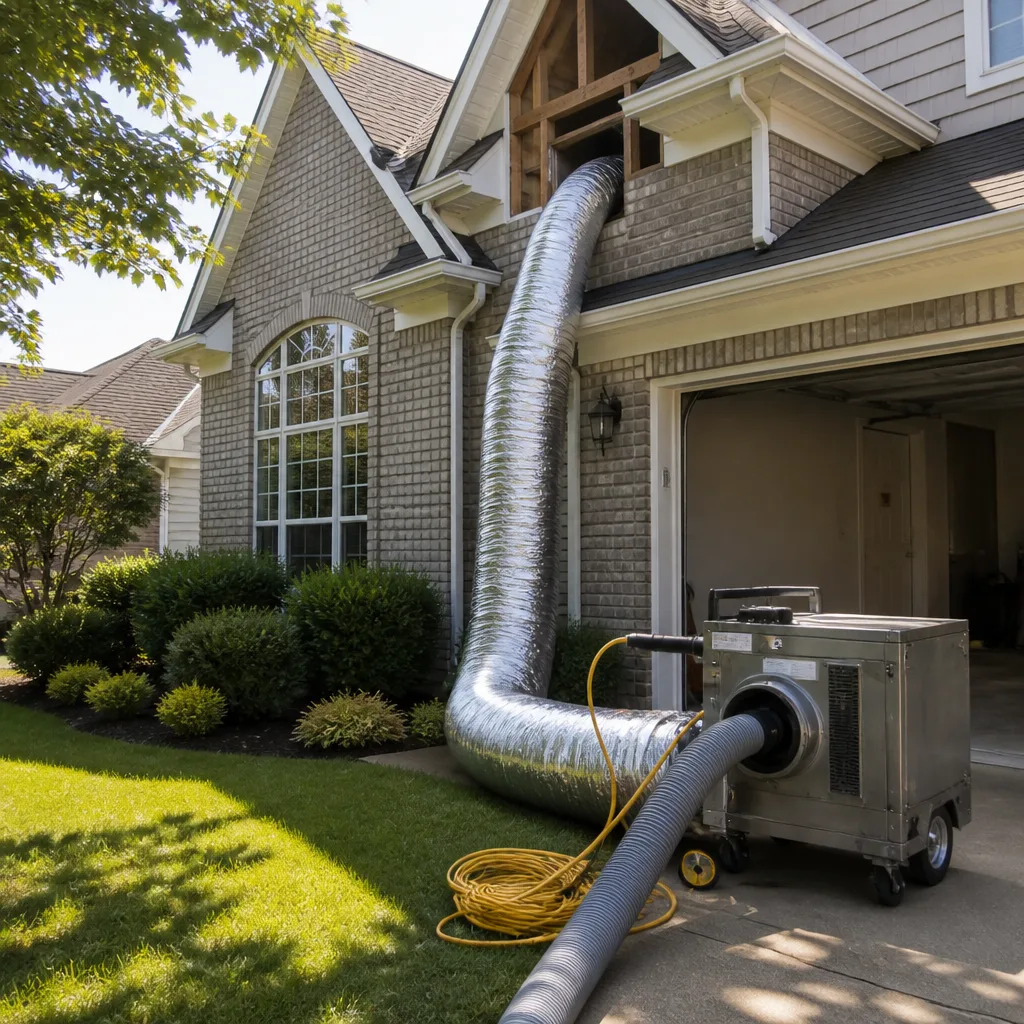
 Whole-home duct cleaning
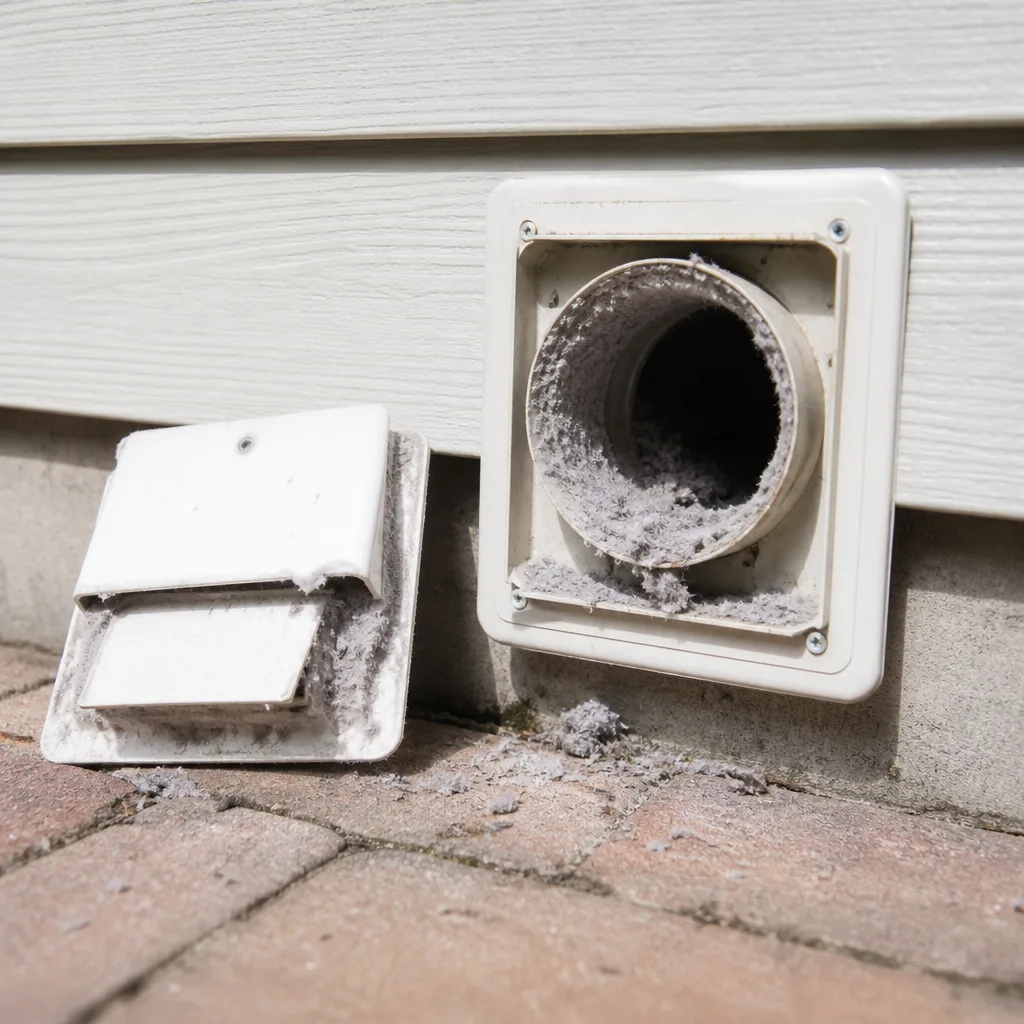 Dryer vent cleaning
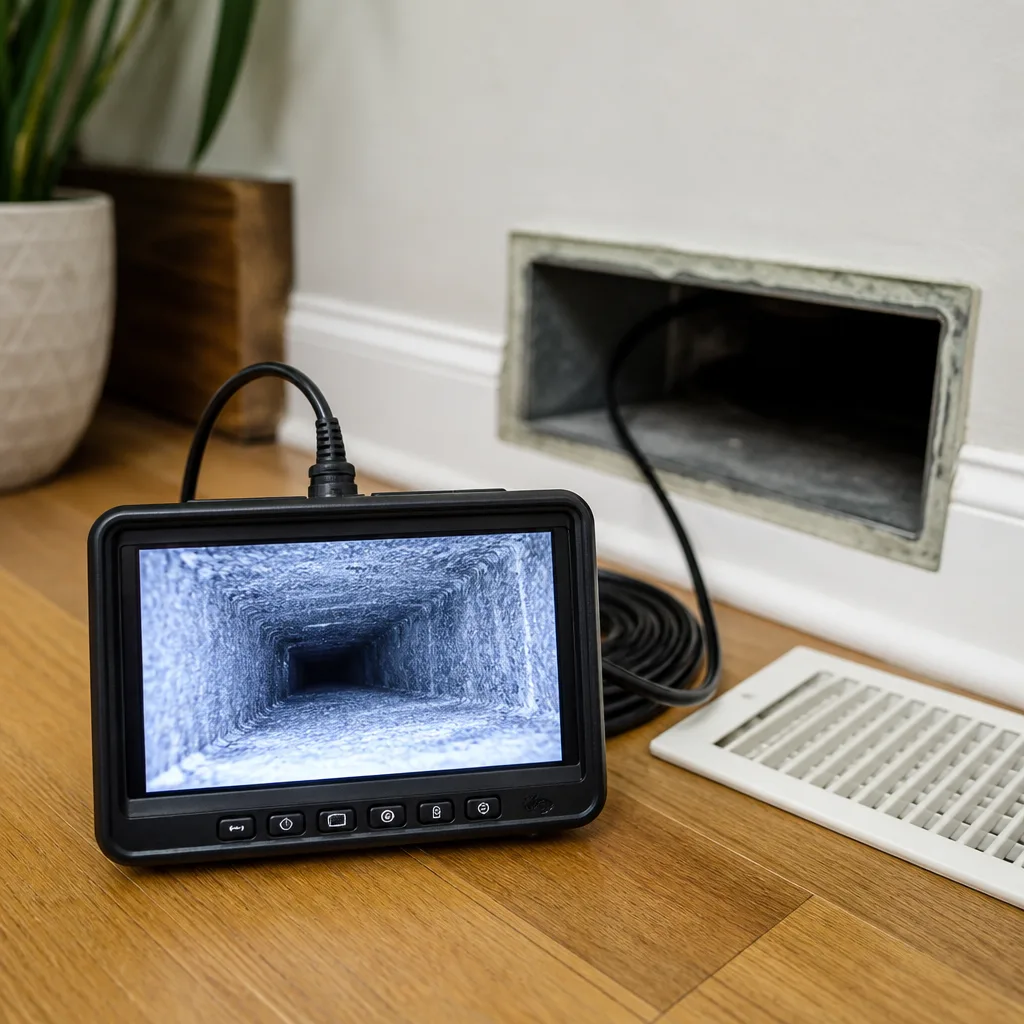 Camera inspection
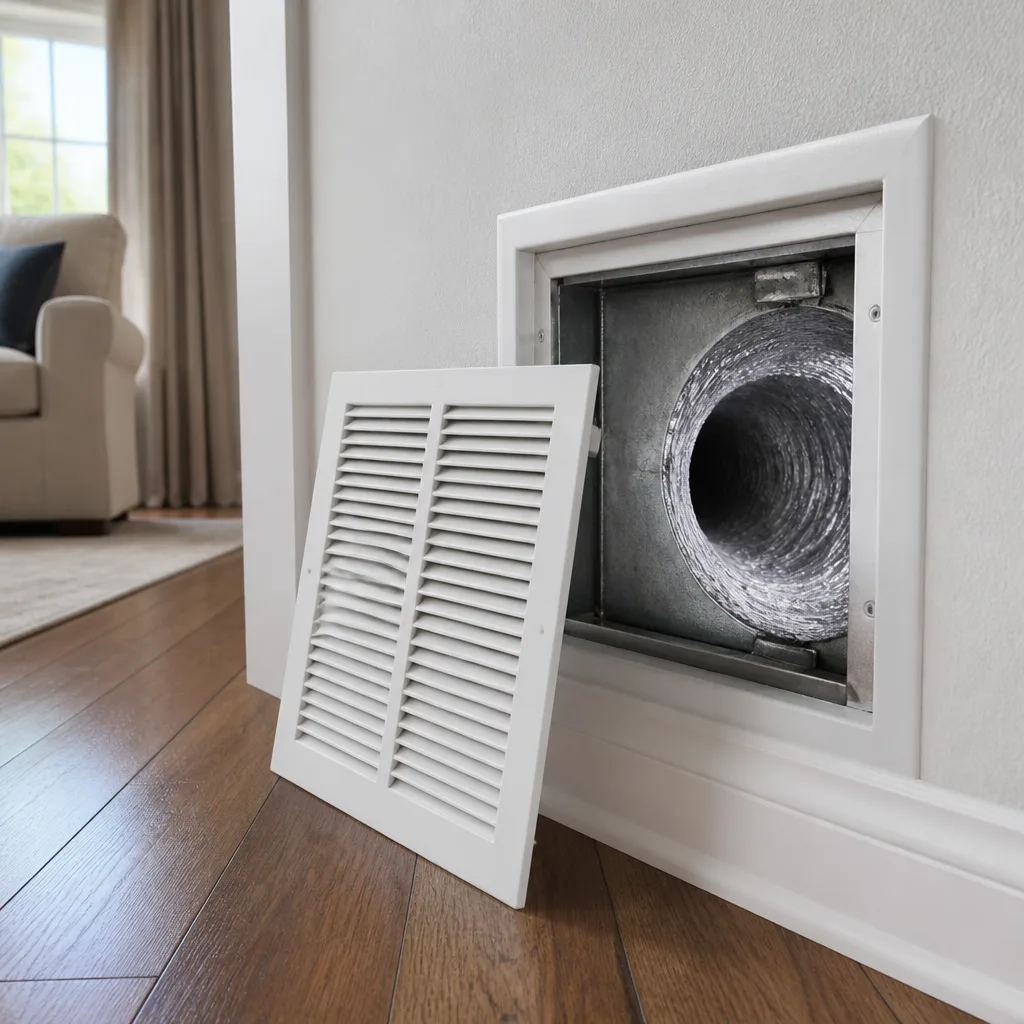 Sanitizing & deodorizing
Whole-system duct and dryer vent check with before-and-after photos - you see exactly what came out of your vents
That "$99 whole-house special" is a bait ad - the real number appears once they are in your hallway, or the "clean" is a shop-vac at the register. We photograph the inside of your ducts before and after instead.
Nikro Vent Sanitizing: The San Antonio Owner’s Guide
If your Nikro ventilation system’s sanitizing component has stopped working or is running weak, we stock the replacement parts and install them across San Antonio, usually within the same visit we diagnose the problem. A complete Nikro vent sanitizing replacement typically runs between $185 and $410 installed, depending on the model line and what the diagnostic turns up. Most San Antonio owners notice the issue the same way: the unit powers on, the fan hums fine, but the sanitizing cycle either won’t engage or shuts off partway through and throws an error code.
Paul Adeyemi and our techs see this pattern regularly in homes throughout the city, from Terrell Hills to Alamo Heights to the newer builds out toward Helotes. The sanitizing module inside Nikro units takes the brunt of the work because it runs every single time the fan does, and in San Antonio’s limestone-heavy dust environment, that means it’s filtering harder than it would almost anywhere else in the country.
Which Nikro Models This Applies To
Nikro’s vent sanitizing platform splits into two main families: the UV-C lamp based units (commonly found in the NS and UVS series) and the oxidation/ionizing units (the AQ and IZ lines). They are not interchangeable, and that’s the most common ordering mistake we see. A UV-C lamp assembly from a Nikro UVS-12 will not fit an AQ-200 housing, even though both mount in roughly the same spot on the ductwork. Before you order anything, check the silver data plate on the side of the unit. It lists the model series and the lamp wattage or cell voltage, which is the only reliable way to match the right sanitizing component.
For the lamp-based units, stick with genuine Nikro replacement lamps. The aftermarket UV-C bulbs we’ve tested run 15 to 20 percent dimmer at the same wattage, and a dimmer bulb means less sanitizing action on the coil and in the airstream. For the oxidation cells in the AQ series, there’s more room for quality aftermarket options, but the mounting tabs and power draw must be within Nikro’s spec range or the unit will fault out on startup. We stock genuine Nikro replacement parts on the service trucks and can verify fitment against your unit’s data plate before any work is scheduled.
Styles & brands we work with
Signs Your Nikro Vent Sanitizing Is Failing
- Sanitizing indicator light stays off or blinks continuously. On UV-C models, this usually means the lamp has reached the end of its rated life, typically 9,000 to 12,000 hours depending on the series. On ionization units, a blinking light often signals a failed power supply feeding the cell, not the cell itself.
- Musty or stale smell returns within days of a cleaning. The sanitizing component’s job is to knock down the microbial growth on the coil and inside the plenum. When it stops working, that growth rebounds fast in San Antonio’s humid shoulder seasons, especially in homes near the coast-influenced air patterns south of the city.
- Audible clicking or buzzing from the unit when the fan kicks on. This is the relay or ballast trying to fire a lamp or cell that’s already dead. It will often try three times, fail, and lock itself out until the power is cycled.
- Error code E-2 or E-4 on the display panel. Both codes point to the sanitizing circuit on most Nikro control boards. E-2 indicates lamp or cell failure; E-4 indicates a communication fault between the board and the sanitizing module.
- Rust or pitting around the lamp socket or cell housing. San Antonio’s hard water and the condensation cycle inside the plenum work together to corrode the contact points. Once the contacts are pitted, the connection becomes intermittent and the unit will fail on startup half the time.
Replacement Cost & What’s Included
Installed Nikro vent sanitizing replacements in San Antonio run from $185 to $410, depending on which component has failed and what series unit you’re running. UV-C lamp replacements land at the lower end of that range, typically $185 to $240, because the part is straightforward and the swap takes under an hour. Oxidation cell replacements with a new power supply run higher, usually $290 to $410, because the parts are pricier and the job usually includes cleaning the mounting bracket and verifying the electrical draw.
Every quote is a written price before any work starts. You’ll know the part cost, the labor, and the total before the van door opens at your house. Our background-checked, uniformed techs put down shoe covers and drop cloths from the first step inside, and you’ll get a photo of the work area before we leave. The work is backed by our 365-Day Done Right Promise: if the part fails or the install isn’t right within a year, we make it right, full stop.
See the difference
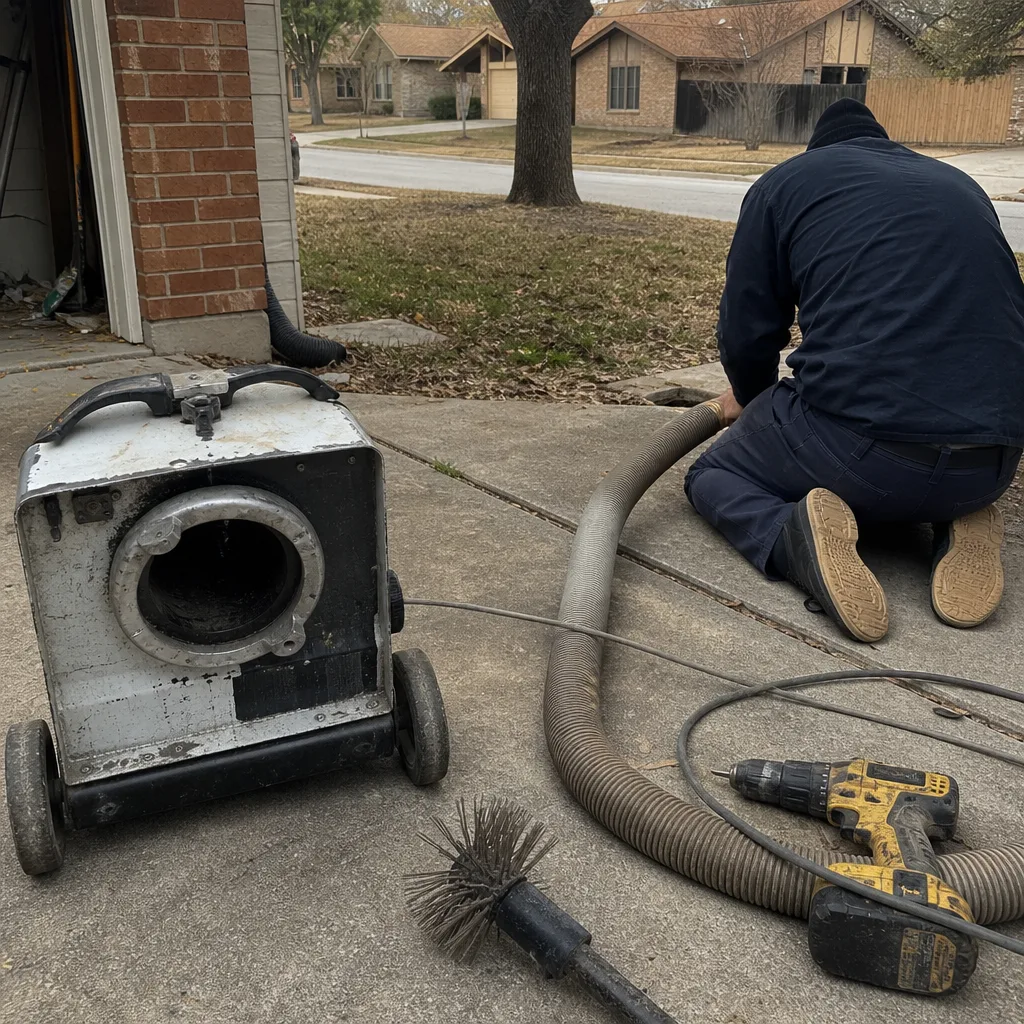 Before
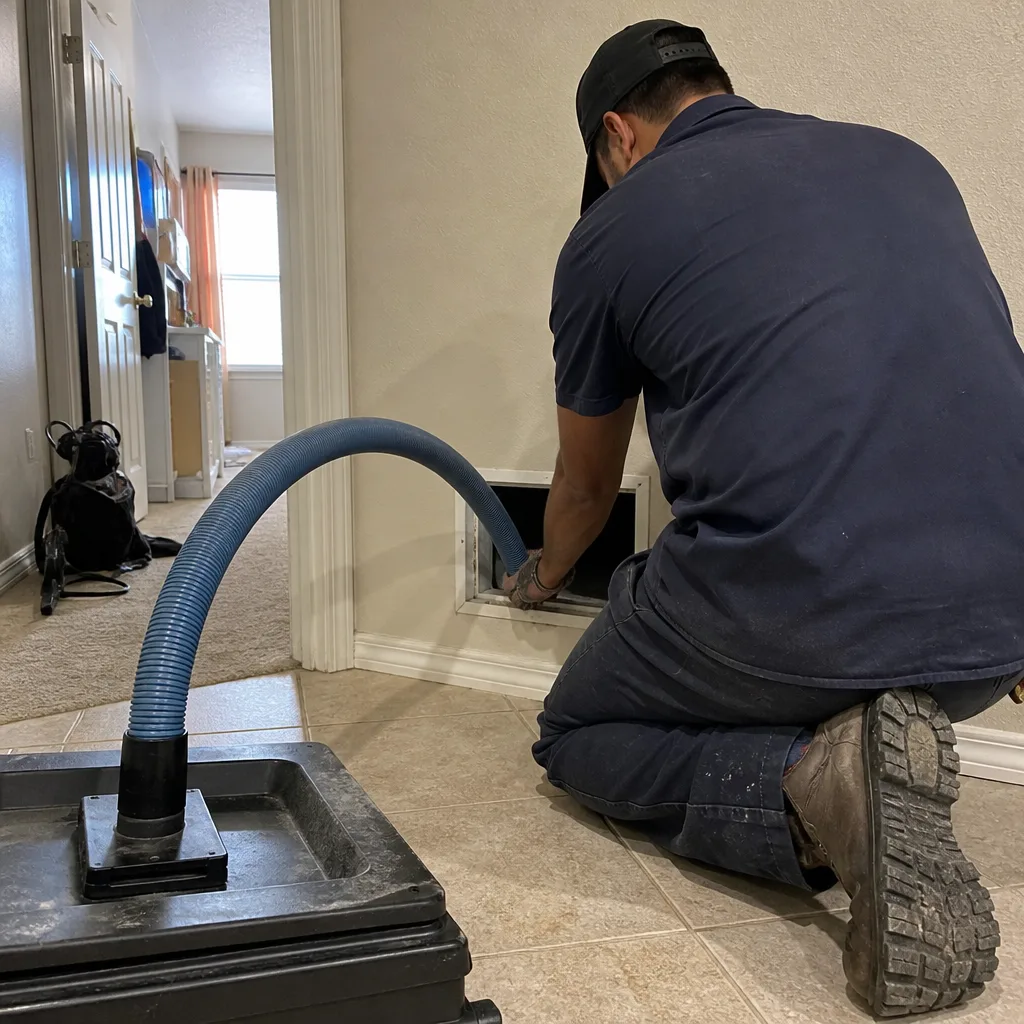 After
After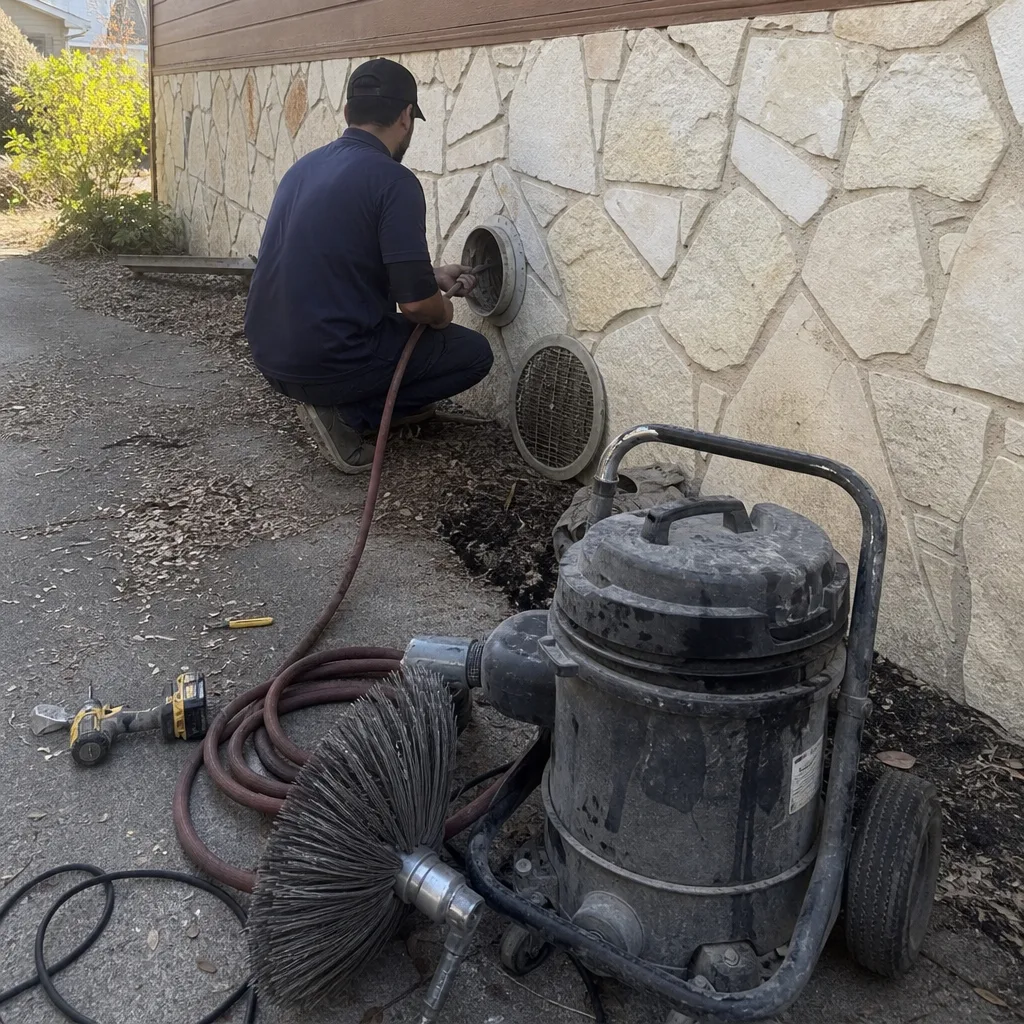 Before
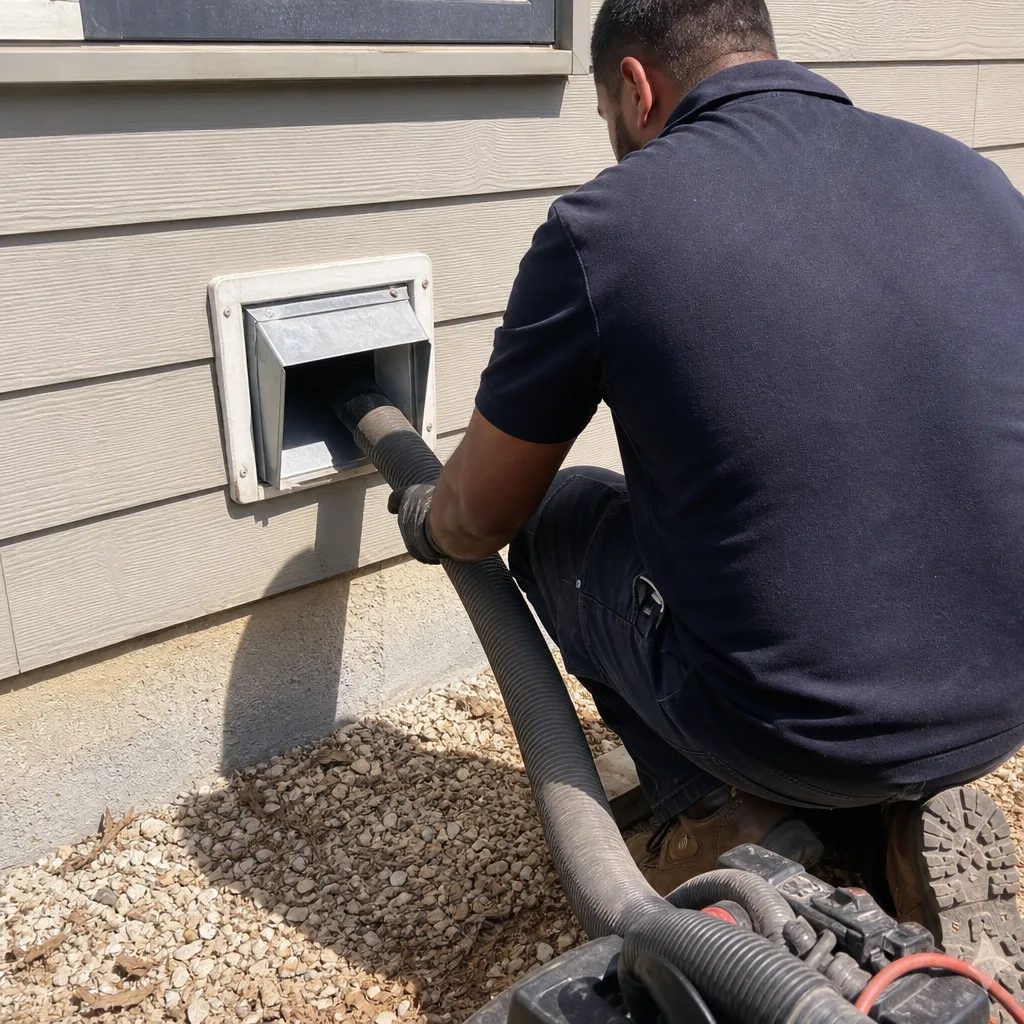 After
After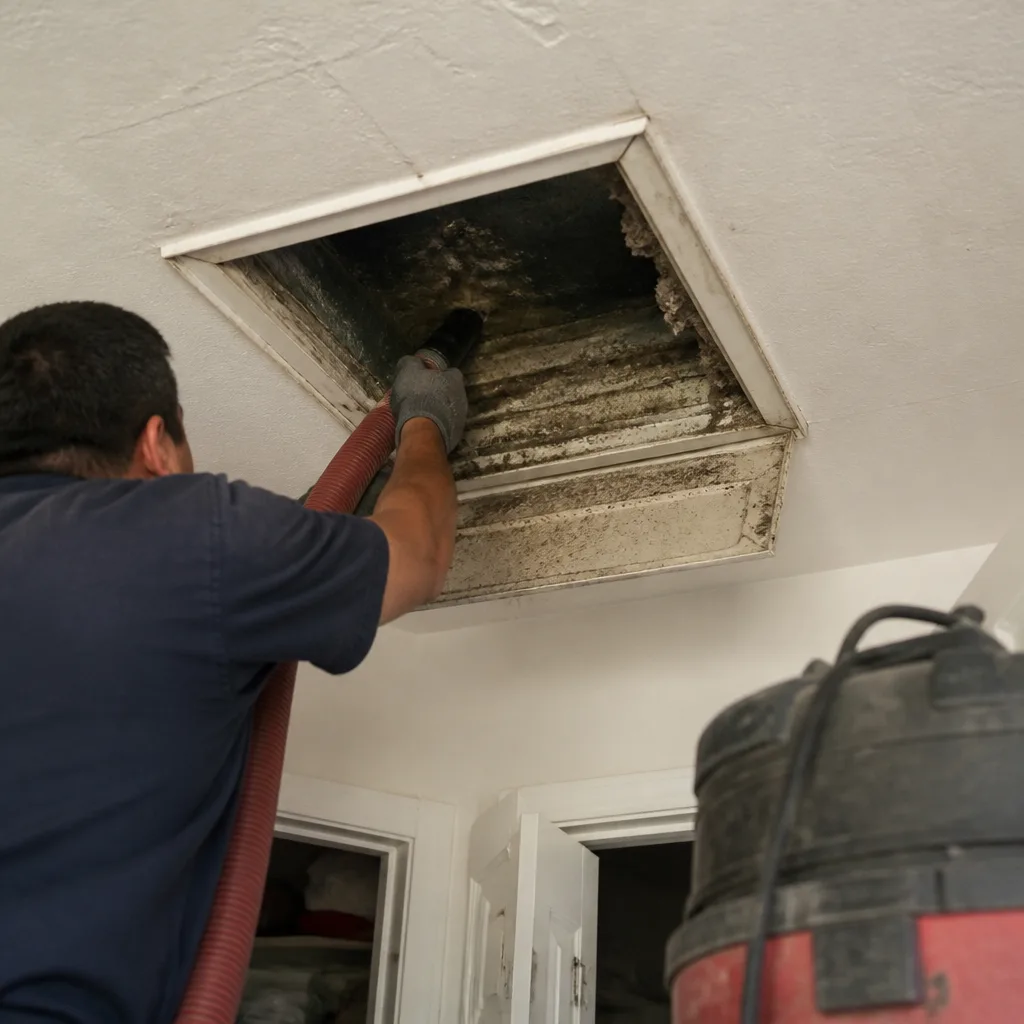 Before
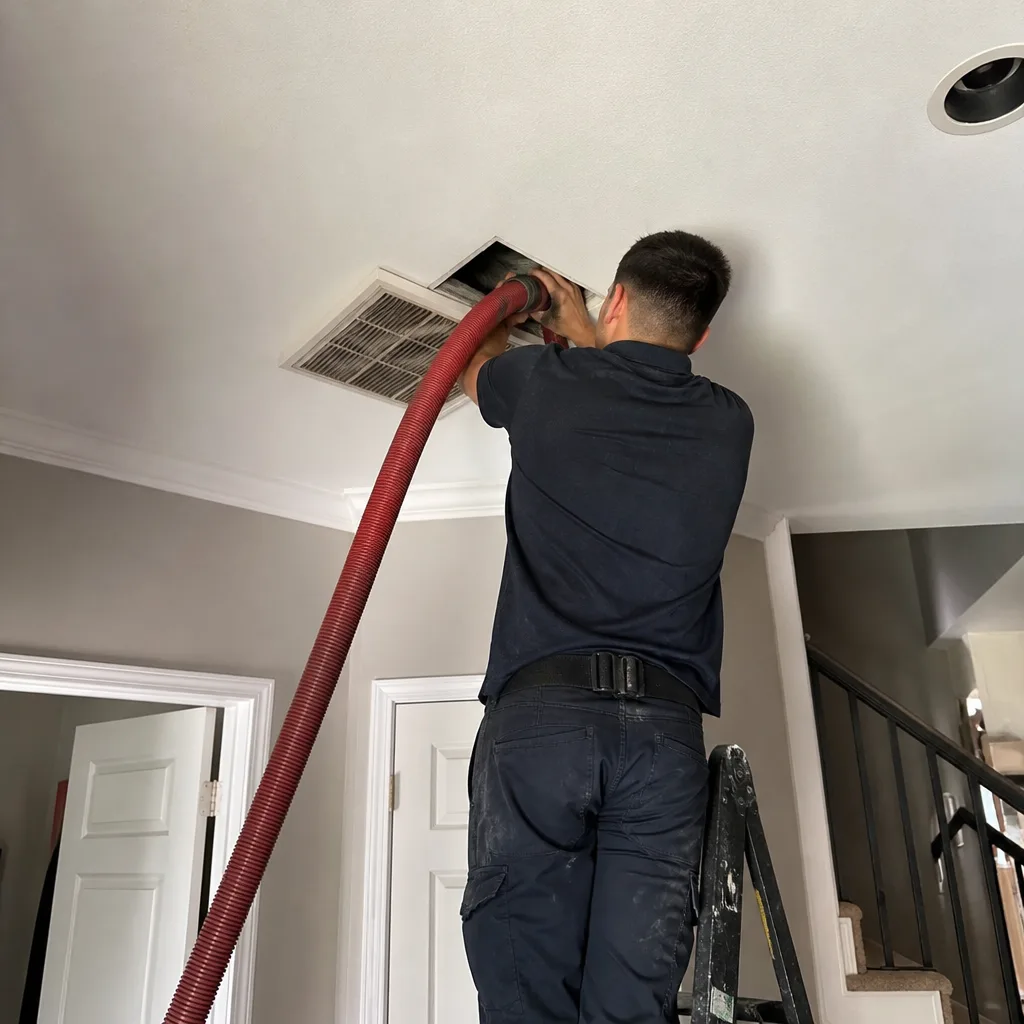 After
AfterDIY or Call Us?
You can safely check a few things yourself. Confirm the unit is getting power, check the breaker, and read the error code off the display if there is one. That information helps us quote the job accurately over the phone. But opening the unit to swap a UV-C lamp or an oxidation cell is where we pump the brakes. UV-C lamps contain mercury and can shatter if handled wrong, and the wiring on the ionization units carries enough current to bite. We also see plenty of San Antonio homeowners order the wrong lamp because two Nikro series look nearly identical from the outside, and now they’re out $80 and still have a dead sanitizing unit.
We tell you exactly what we’re doing, and exactly what it costs – before we start. If you want an experienced set of eyes on it and a price you can plan around, call our office at (903) 354-8393.
FAQs
Count on 9,000 to 12,000 hours of actual run time for the UV-C lamps, which translates to roughly 3 to 5 years of normal use in San Antonio, and 3 to 4 years for oxidation cells. The hotter and more humid your cooling season, the harder these parts work, so homes near Cibolo and Schertz that run the AC ten months a year will replace parts more often than a seasonal-use property.
No. Once a UV-C lamp’s output drops below its rated intensity or an oxidation cell’s coating degrades, there is no repair that restores function. Attempting to clean or reseat the part just delays the inevitable and risks damaging the socket or control board. The repair is a replacement. Call (903) 354-8393 for an exact quote – estimates are free.
Most replacements take between 45 minutes and 90 minutes from the time we arrive to the time we’re packing up. The work includes verifying the fit from the data plate, removing the failed part, installing the replacement, cycling the unit to confirm the error clears, and photographing the work area before we leave. You’ll know the schedule before anyone touches anything.
We carry genuine Nikro replacement parts on our service trucks for the most common series, so most San Antonio jobs are completed on the first visit. If your unit is an older or less common model, we’ll confirm availability before you book and you’ll know the timeline up front. We also stock quality parts for Lennox, Trane, and Carrier systems, so if the Nikro module is one part of a bigger HVAC picture, we can address both at once.
Ready to Get Your Nikro System Working Again?
Call our office at (903) 354-8393 and a live person will answer, day or night. We’ll talk through the symptom, look up your model, and give you an honest quote before anything is scheduled. If it’s easier, we’ll walk through the diagnosis over the phone so you know exactly what to expect when the truck pulls up. Written price first, every time. No surprises when the invoice comes.
Written by Paul Adeyemi, Owner, Mortons Air Duct San Antonio at Mortons Air Duct San Antonio, serving San Antonio and nearby areas.