
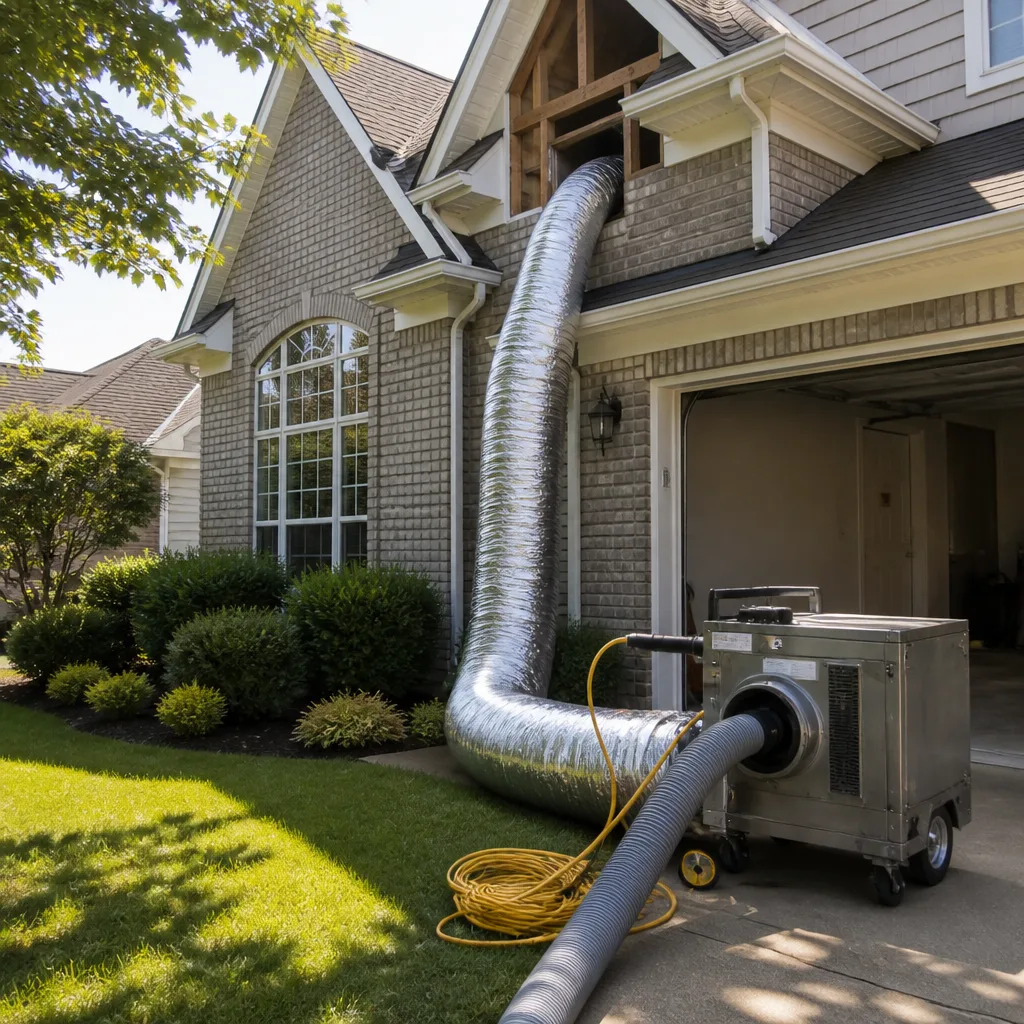
 Whole-home duct cleaning
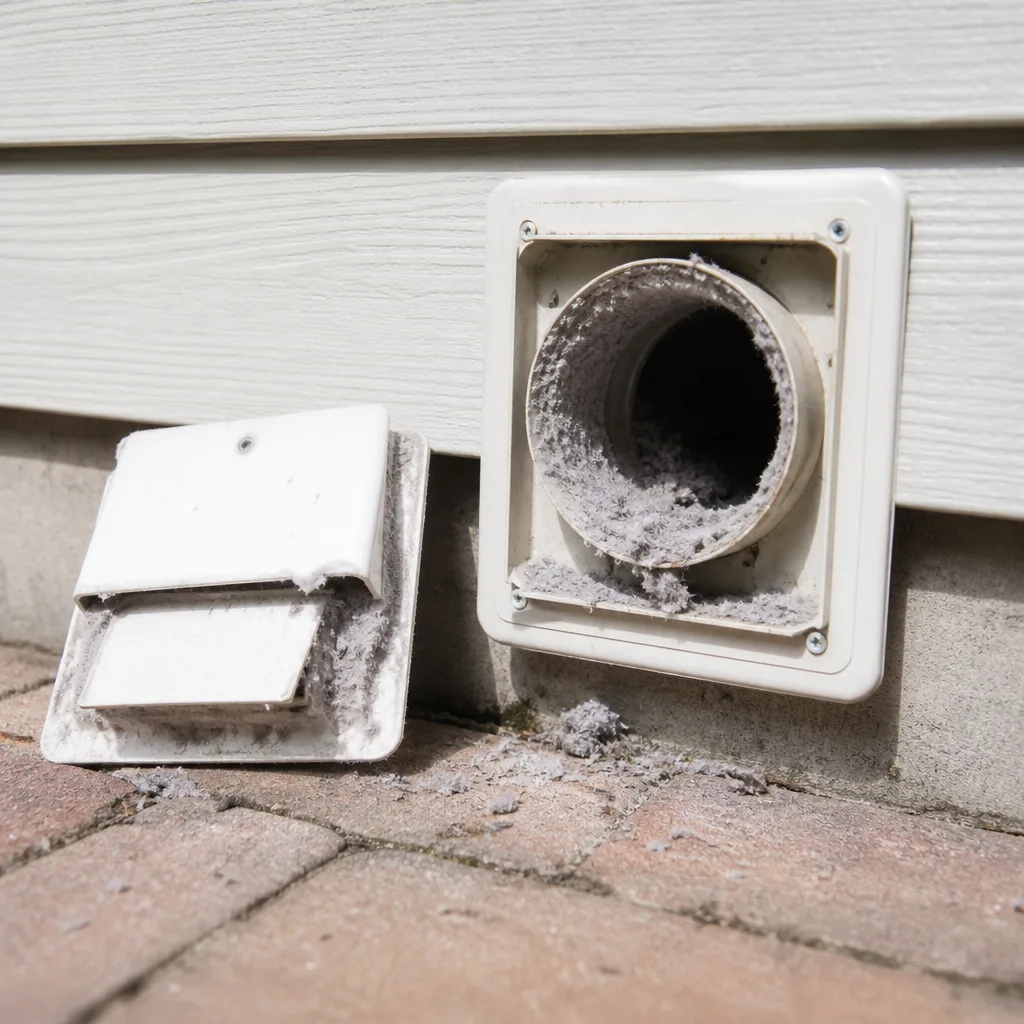 Dryer vent cleaning
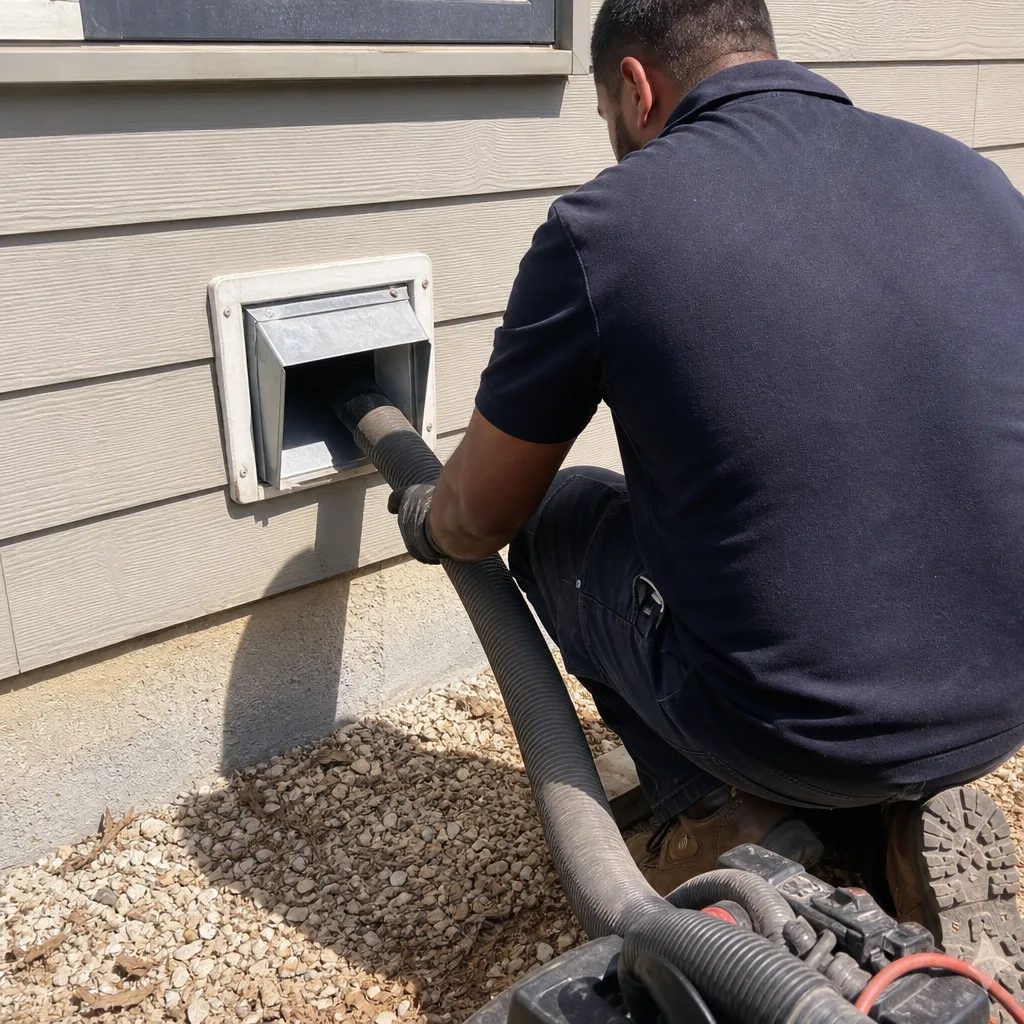
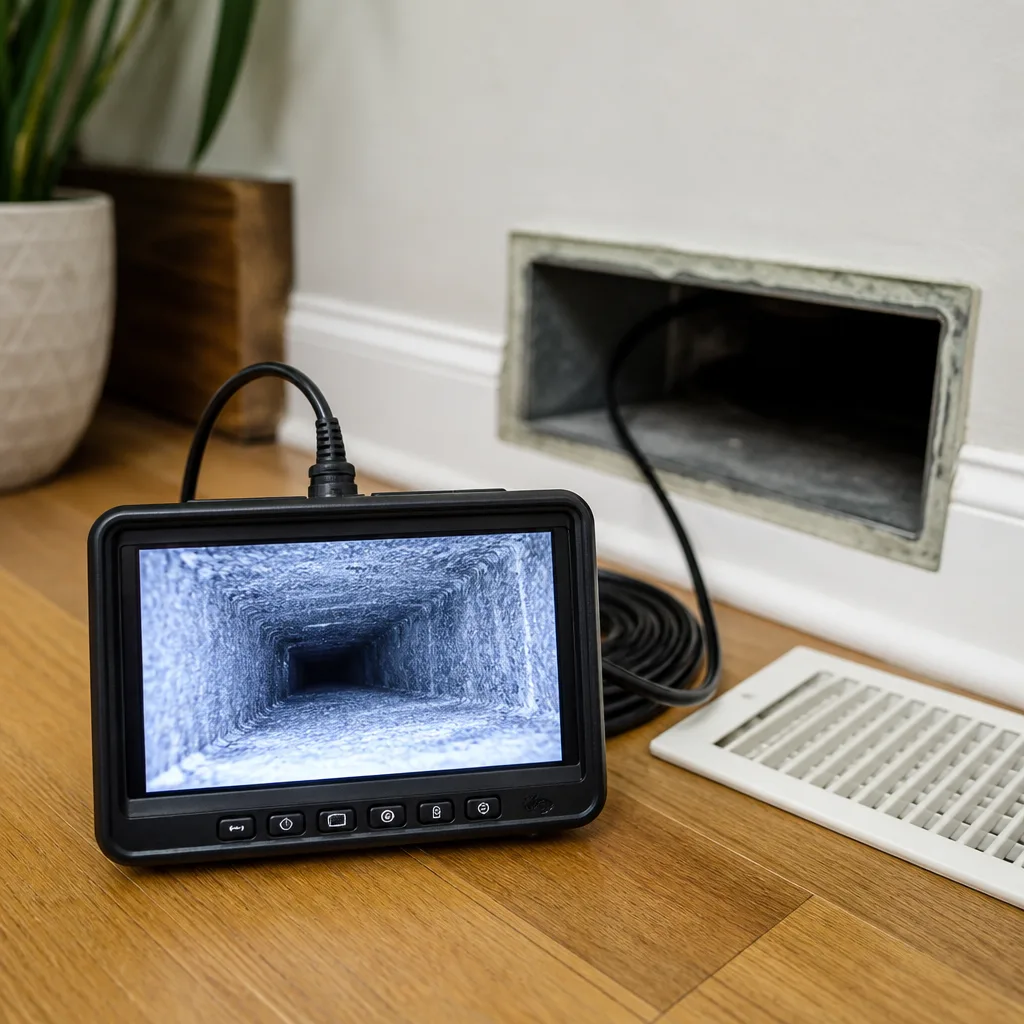 Camera inspection
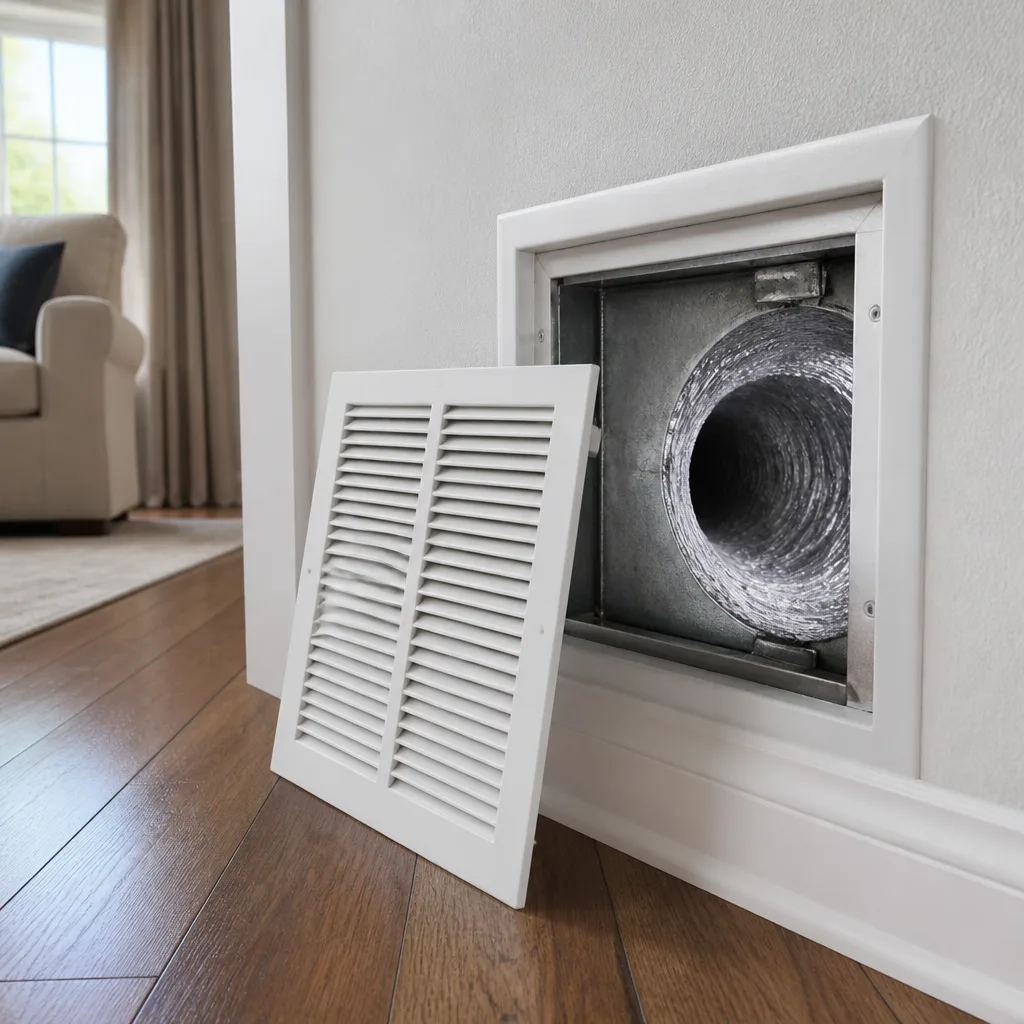 Sanitizing & deodorizing
Whole-system duct and dryer vent check with before-and-after photos - you see exactly what came out of your vents
That "$99 whole-house special" is a bait ad - the real number appears once they are in your hallway, or the "clean" is a shop-vac at the register. We photograph the inside of your ducts before and after instead.
Honeywell Air Duct Cleaning in San Antonio: What to Know First
Honeywell air duct cleaning in San Antonio typically costs between $425 and $780 for a full system clean in an average two-story home, and most jobs are completed in 3 to 5 hours. We’re an independent Honeywell service provider, which means we service Honeywell filtration and ventilation components without being tied to factory pricing or schedules. If you own a Honeywell media air cleaner, whole-home ventilation system, or UV treatment unit built into your ductwork, you’ll want a crew that knows how those components interact with the ducts around them. That’s us. Call (903) 354-8393 for a written quote before anything starts.
This page is for San Antonio homeowners who have Honeywell air quality equipment connected to their duct system and want a cleaning crew that won’t damage it, bypass it, or pretend it isn’t there. We’ll walk through what we see in Honeywell-equipped homes across the city, what it costs, and how we protect your floors, your pets, and your nap schedule while we work.
How Honeywell Products Fail – and How We Fix Them
Honeywell builds solid equipment, but air duct cleaning has a way of exposing weak points that don’t show up during normal operation. Here’s what we actually find in San Antonio homes:
- Honeywell F300/F35 electronic air cleaners and pre-filter bridges. The F300 media cabinet sits between the return plenum and the furnace. Over time, dust bypasses the pre-filter and cakes onto the collector cells and the cabinet walls. When we clean the return ducts, we always pull the cells and clean the cabinet interior first. If we skip that step, the freshly cleaned ducts get re-contaminated within weeks. We see this more in older Alamo Heights and Terrell Hills homes where the F300 has been running since the house was built.
- Honeywell TrueCLEAN UV systems with coated lamp residue. If the UV lamp has been running for a year or more, the quartz sleeve and surrounding duct surfaces develop a fine film of oxidized dust. It looks like tan powder. Brushing it without proper containment just sends it through the house. We wipe it down and capture it before we run the Rotobrush through the neighboring supply runs, so you’re not blowing UV-cured dust into the kids’ rooms.
- Honeywell ER150/ER200 energy recovery ventilators with clogged cores. These units pull outside air through an enthalpy core. San Antonio’s cedar pollen in January and February loads the core fast. If your home has an ERV tied into the ductwork and the core hasn’t been pulled in a season or two, the fresh-air side of the system is blowing through a pollen mat. We inspect the core during the duct cleaning and tell you honestly if it needs a wash or replacement. Most of the time it’s washable.
- Honeywell HEPA bypass filtration systems running dirty on the post-filter side. Homes with HEPA bypass units near the air handler often have ducts that look clean on the supply side but build dust on the return side because the bypass configuration changes the airflow balance. We check the HEPA’s pressure gauge during our walkthrough. If it’s past the change line, we’ll tell you before we clean anything. Cleaning ducts downstream of a spent filter is wasted work.
- Honeywell zoning dampers (TrueZONE) with seized blades in partly open position. This matters for duct cleaning because a damper stuck halfway directs dust into zones you didn’t intend to clean and starves others of suction. We don’t force the blades. We verify damper positions through the zone panel before we hook up the vacuum, then clean each zone sequentially. Forcing a seized damper is how you end up replacing a $220 actuator.
Styles & brands we work with
Our Honeywell Air Duct Cleaning Process
Here’s how a Honeywell-equipped job goes at our company, from the first call to the final photo:
- 1
The walkthrough. Paul Adeyemi walks the house with you, vent by vent, before any tool comes off the truck. We identify every Honeywell component connected to the system and agree on what gets cleaned, what gets inspected, and what gets left alone. You get the written price after this walkthrough, not before we’ve seen the job and not after we’ve started.
- 2
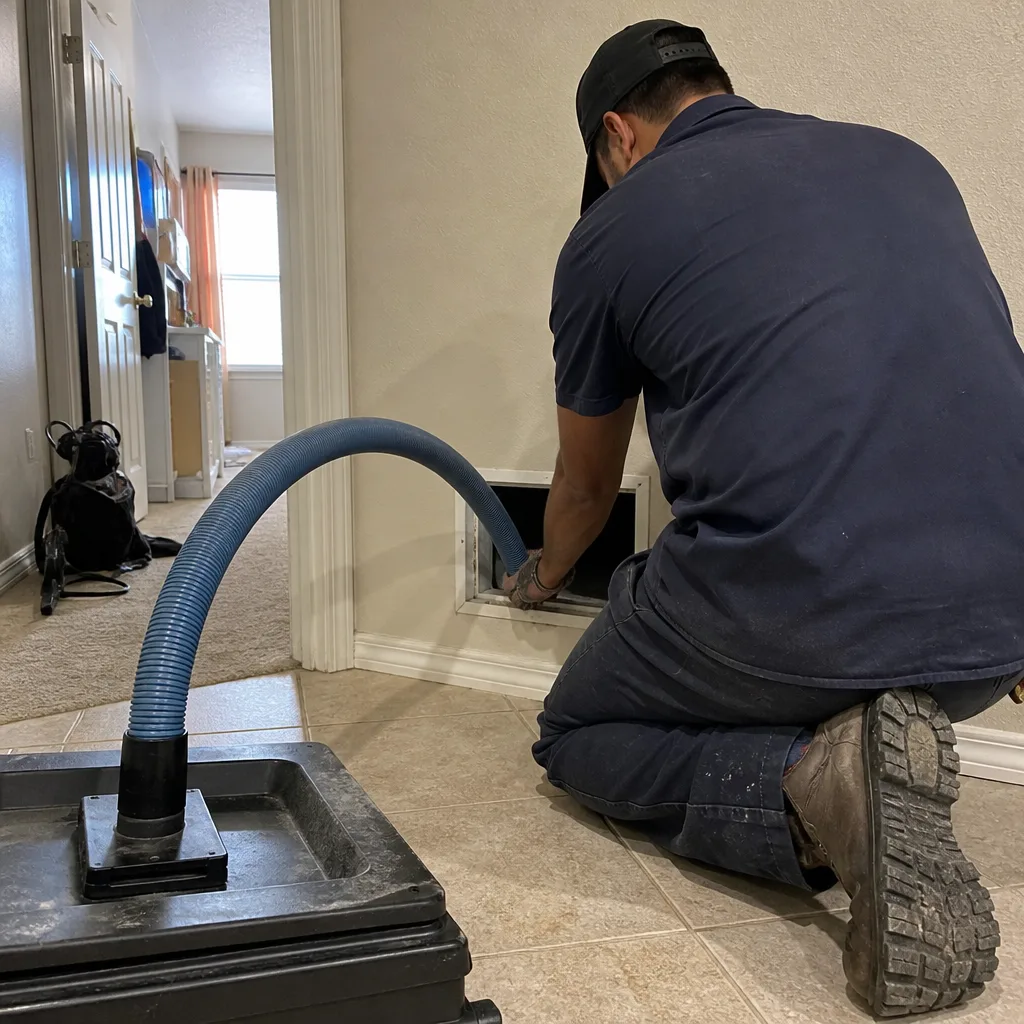
Protection setup. Shoe covers go on at the door. Drop cloths go down in every room we’ll be working in, including hallways and any room with a pet gate. We know where the toddler naps, and we work quieter in that part of the house.
- 3
Honeywell component isolation. We seal off or remove electronic air cleaner cells, UV lamps, and ERV cores before we introduce any negative pressure. This prevents fine dust from getting pulled through those components and shortening their service life.
- 4
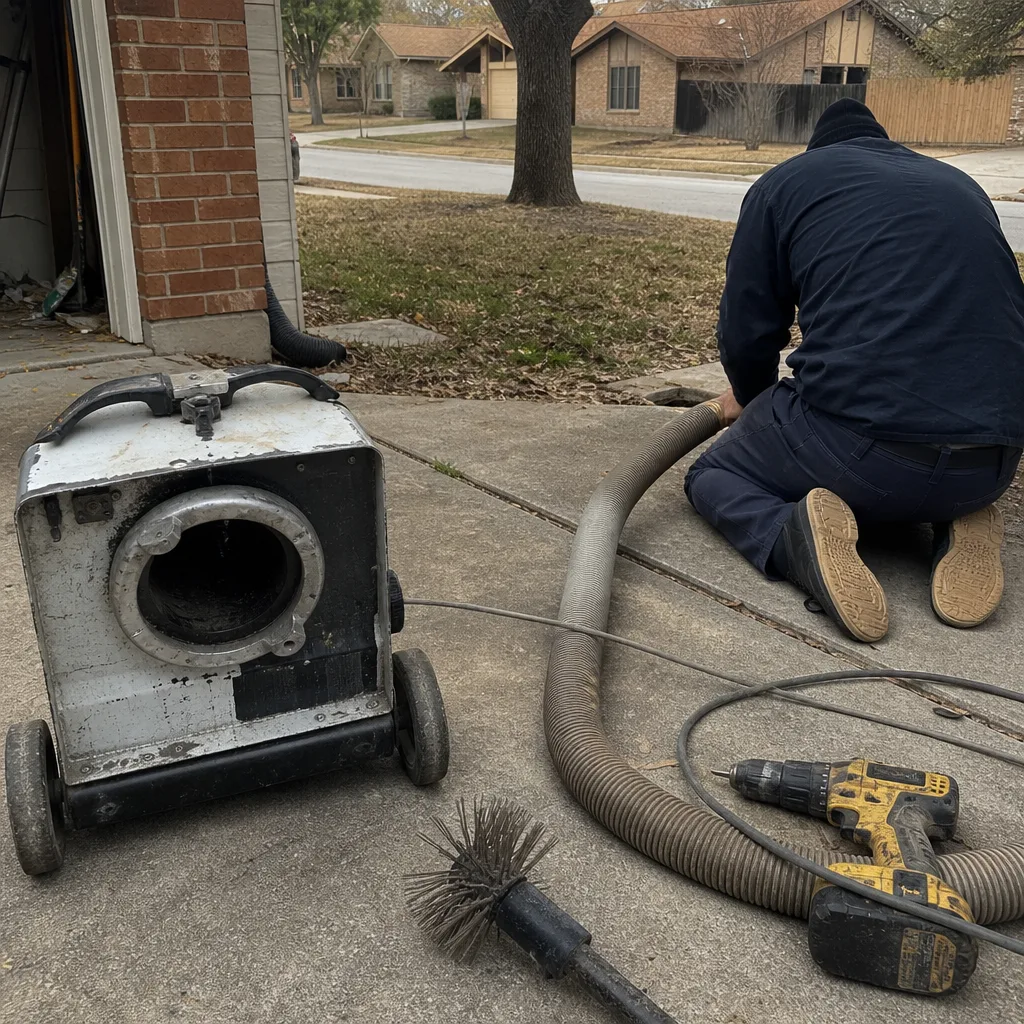
Source removal with Rotobrush and Nikro equipment. We clean supply and return ducts, boots, and registers using mechanical agitation and negative air capture. The vacuum stays outside or in the garage whenever possible, which keeps the noise out of the house.
- 5
Reassembly and verification. We reinstall every Honeywell component, run the fan to verify airflow through each zone, and do a video inspection on request so you can see the inside of the ducts, not just hear about them.
- 6
The photo and the promise. Before we pack up, we take a photo of the cleanup and walk you through it. Every job carries the 365-Day Done Right Promise. If something isn’t right, we come back and make it right. That promise is printed on the invoice, not hidden in fine print.
See the difference
 Before
 After
After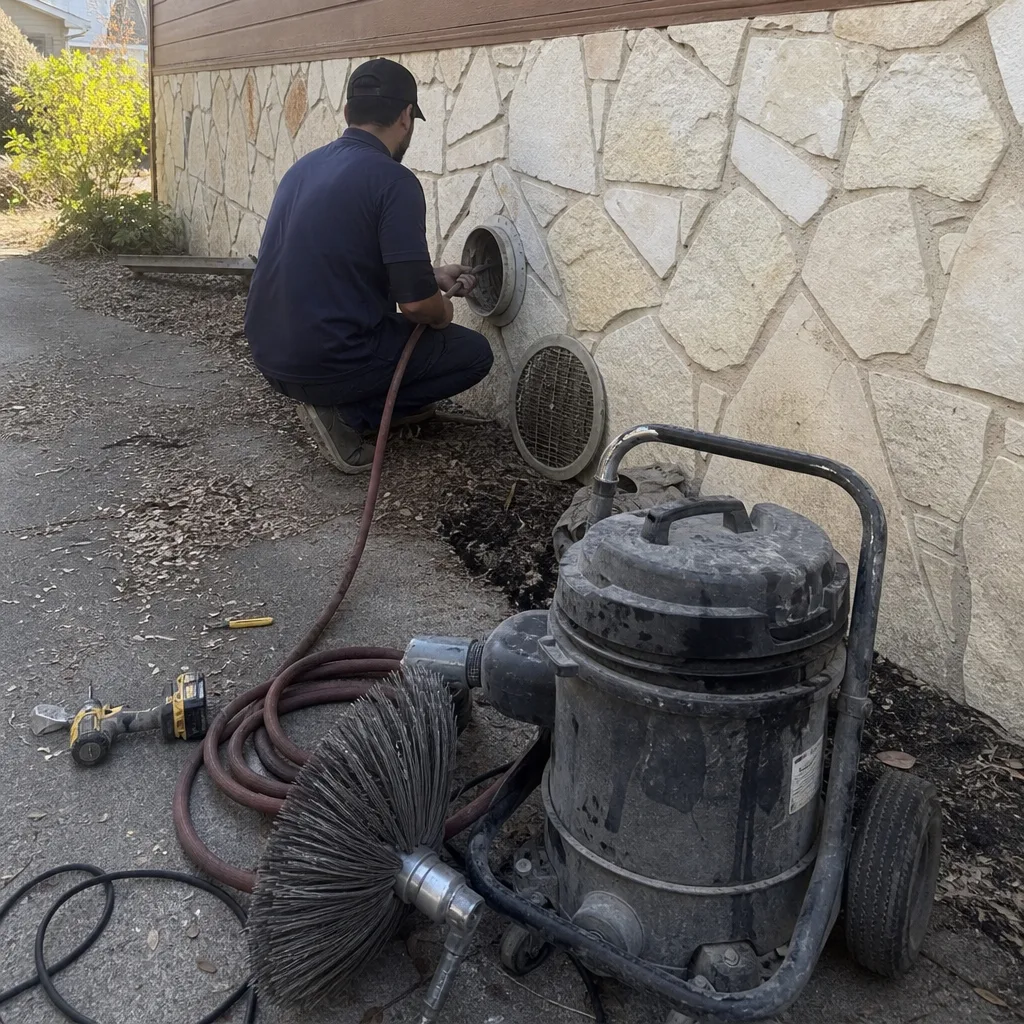 Before
 After
After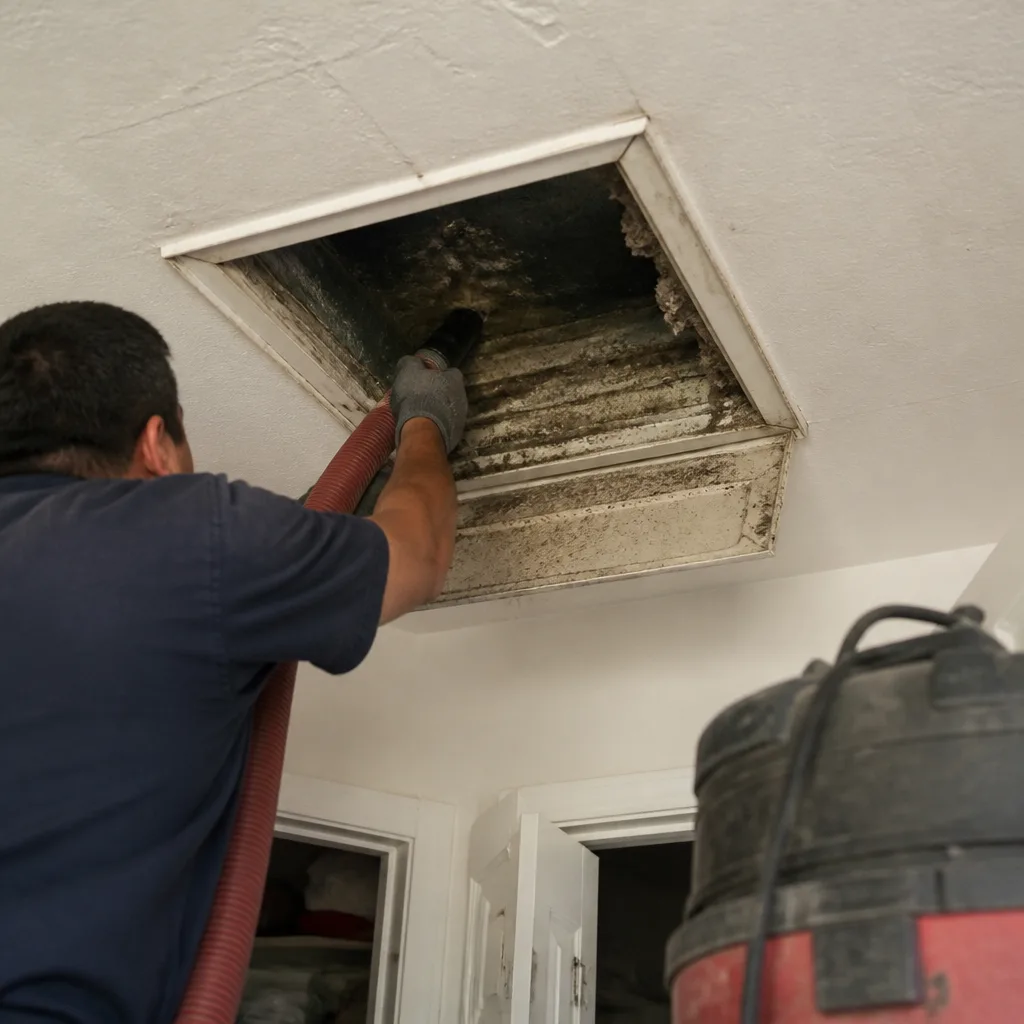 Before
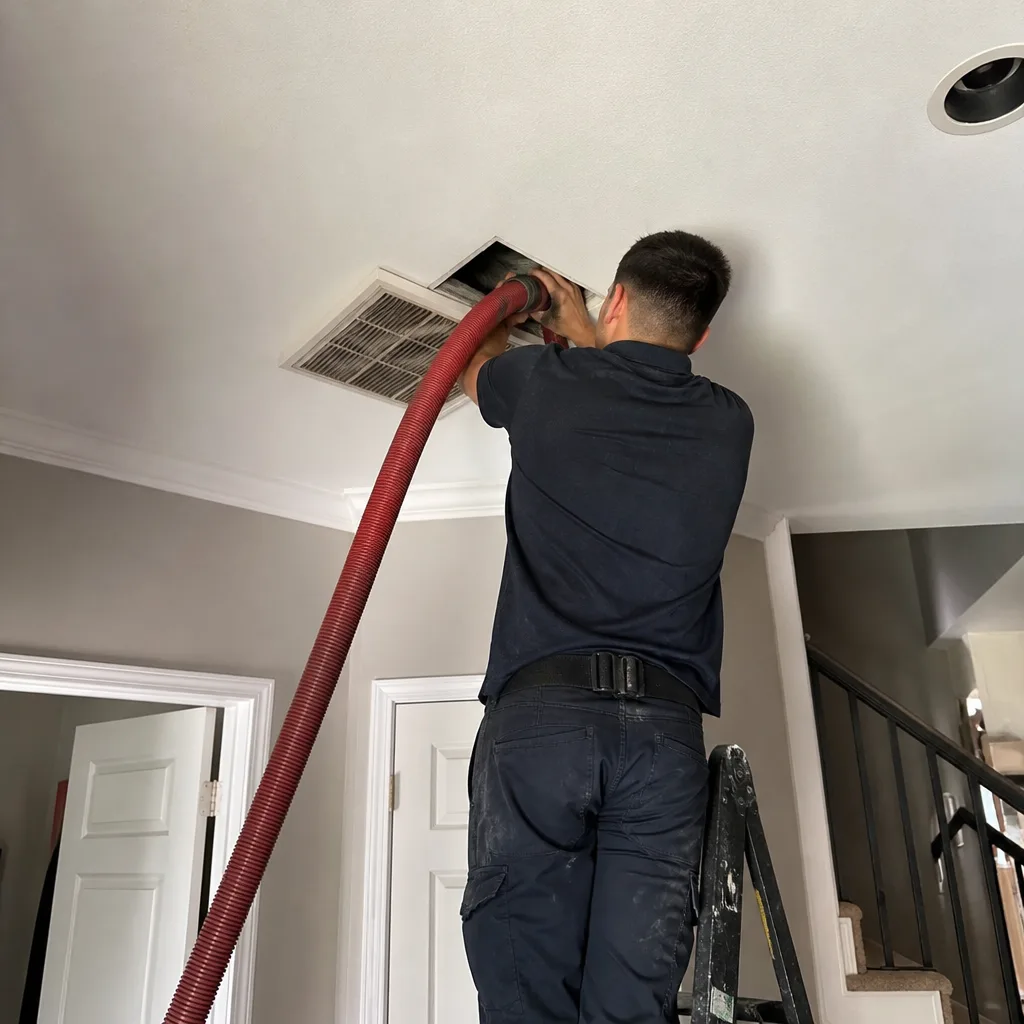 After
AfterWhat Honeywell Air Duct Cleaning Costs in San Antonio
Here are honest numbers for San Antonio homes with Honeywell systems, so you can plan before you call:
- Full system clean, single-story home (up to 10 vents): $385 – $520
- Full system clean, two-story home (11 – 18 vents): $525 – $680
- Full system clean with Honeywell F300 electronic air cleaner service: add $95 – $140 to either figure above
- ERV core inspection and wash (Honeywell ER150/ER200): $85 – $165 if added to a full clean
- Video inspection add-on: $75
What moves the price is access, how many Honeywell components are integrated into the ductwork, and whether the ducts have been cleaned before. There is no per-vent pricing and no surprise add-on at the end. The written quote you get after the walkthrough is the price you pay. Call (903) 354-8393 and we’ll come out, look at the system, and give you that number in writing.
Why San Antonio Homeowners Call Mortons Air Duct San Antonio for Honeywell Work
Most of our Honeywell customers found us after another crew either skipped the electronic air cleaner or didn’t know how to handle the ERV. We don’t skip anything. Every tech carries experience with Honeywell, Lennox, Trane, and Carrier systems, so when we’re in your attic we’re not confused by the brand on the equipment. The crew arrives in uniform, background-checked, with shoe covers and drop cloths as standard practice, not an upsell. The Rotobrush and Nikro equipment we run is what commercial jobs require, and we use it on residential homes because that’s the only way to get a real clean. If you have a dog that barks at strangers or a child napping at 2 PM, we’ll work around both. We tell you exactly what we’re doing, and exactly what it costs – before we start.
FAQs
No. Routine air duct cleaning with source removal equipment does not void Honeywell warranties on air cleaners, ERVs, UV systems, or zoning components. We are an independent Honeywell service provider, not an authorized factory dealer, so our work does not affect manufacturer coverage. What can void a warranty is running the system with blocked components or failed dampers for extended periods, which is why we inspect those items during the cleaning and tell you if something needs attention.
Most San Antonio homes with Honeywell equipment take between 3 and 5 hours for a full system clean, depending on the number of vents and which Honeywell components need service. A single-story home under 1,800 square feet is usually on the shorter end. A two-story with an ERV and electronic air cleaner will push toward 5 hours. We’ll give you a time window during the walkthrough and stick to it.
We can replace Honeywell media filters and UV lamps if you want us to, but we’ll never pressure you into it. During the cleaning we’ll check the condition of everything. If a filter or lamp needs replacement, we’ll show you and give you the cost before we do anything. You’re welcome to buy the parts yourself and we’ll install them at no extra charge during the same visit.
Because many crews don’t recognize what the component is, or they quote the job by vent count alone and don’t account for the time it takes to service the F300 and its cells properly. When they skip the air cleaner, the cleaned ducts re-contaminate quickly and you’re left thinking the cleaning didn’t work. We include Honeywell component inspection and basic service in every full system quote. If it takes extra time, that time is already in the written price.
Yes. We clean each zone sequentially with the Honeywell TrueZONE panel controlling damper positions. We do not force dampers open or remove them. Cleaning with the zone panel keeps the system’s calibration intact and avoids $200 actuator replacements. If you have a Honeywell zoning system, mention it when you call so we bring the right diagnostic cable and plan enough time.
If you own a Honeywell air cleaner, ERV, UV system, or zoning package in San Antonio and the ducts haven’t been cleaned while those components were accounted for, call (903) 354-8393. We’ll schedule the walkthrough, write the price down, and you’ll know exactly what happens next.
Written by Paul Adeyemi, Owner, Mortons Air Duct San Antonio at Mortons Air Duct San Antonio, serving San Antonio and nearby areas.