
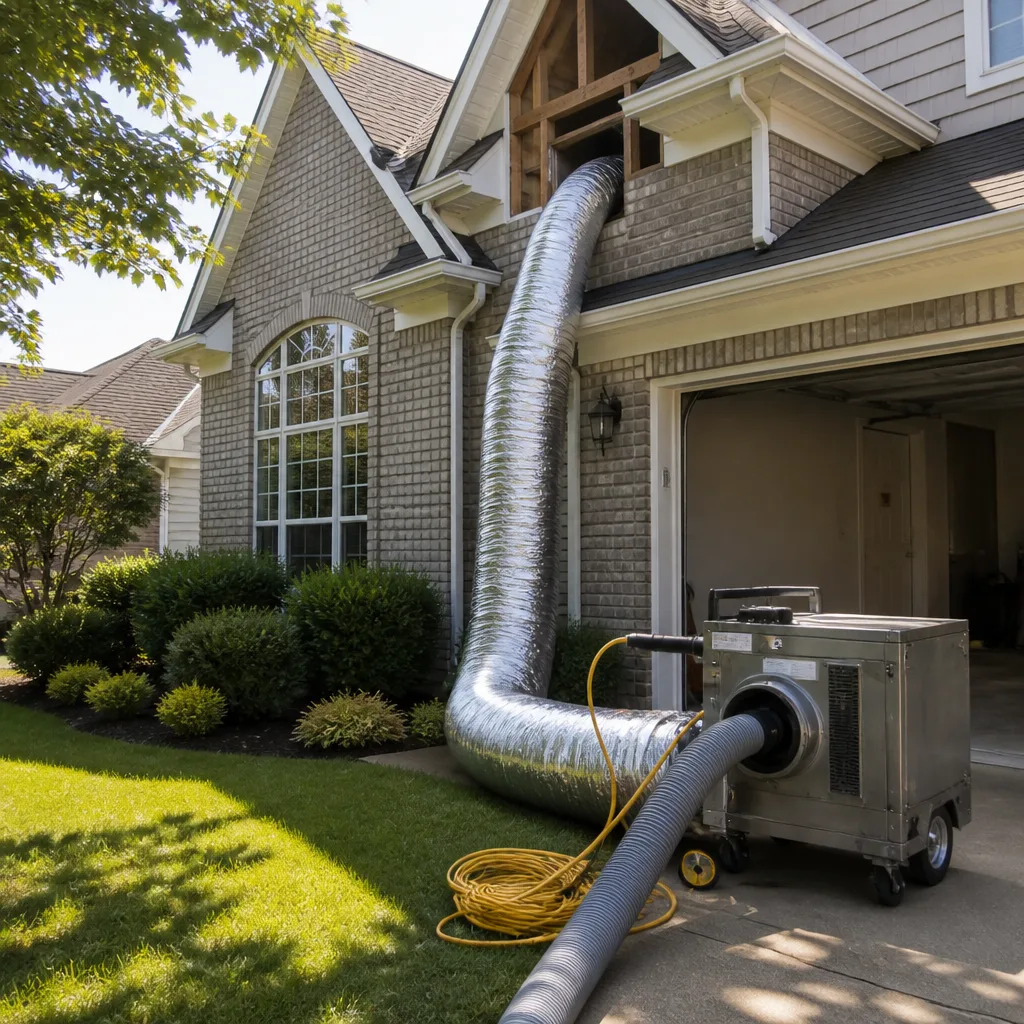
 Whole-home duct cleaning
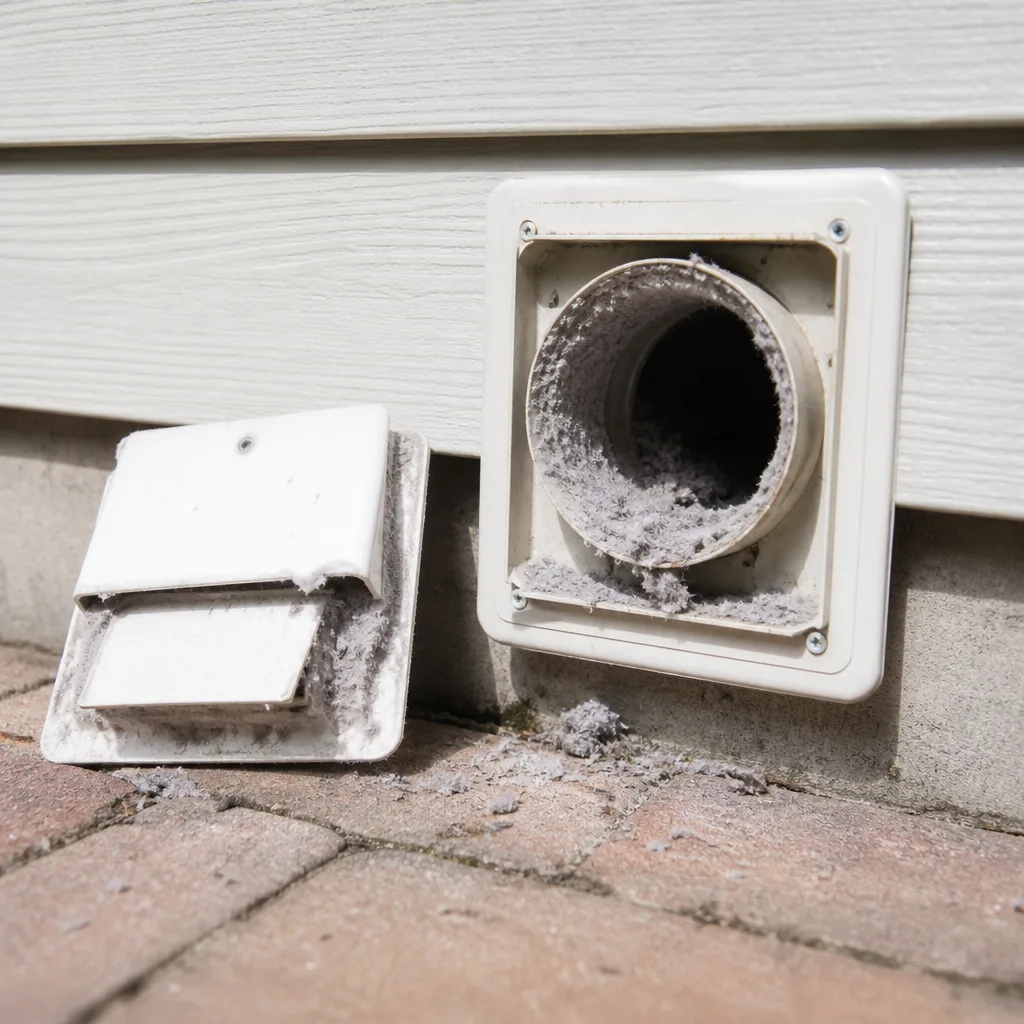 Dryer vent cleaning
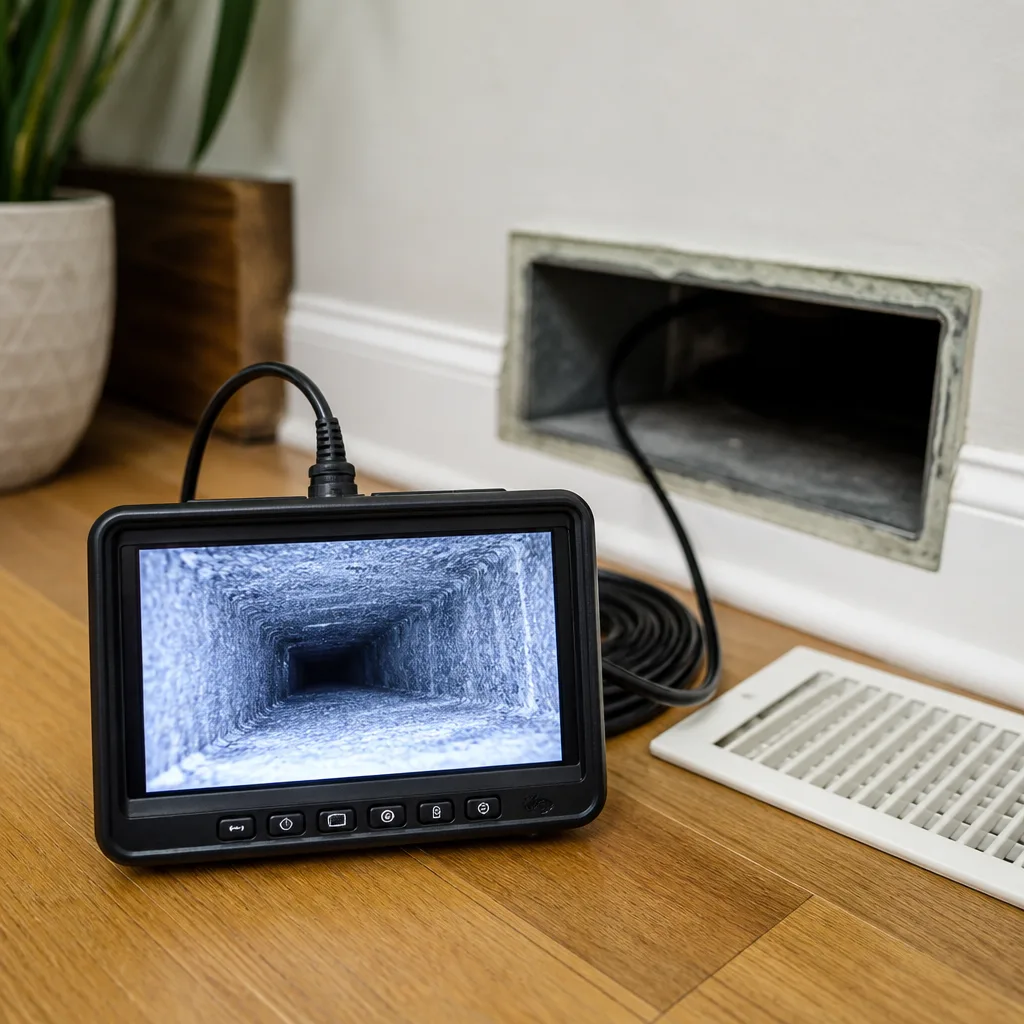 Camera inspection
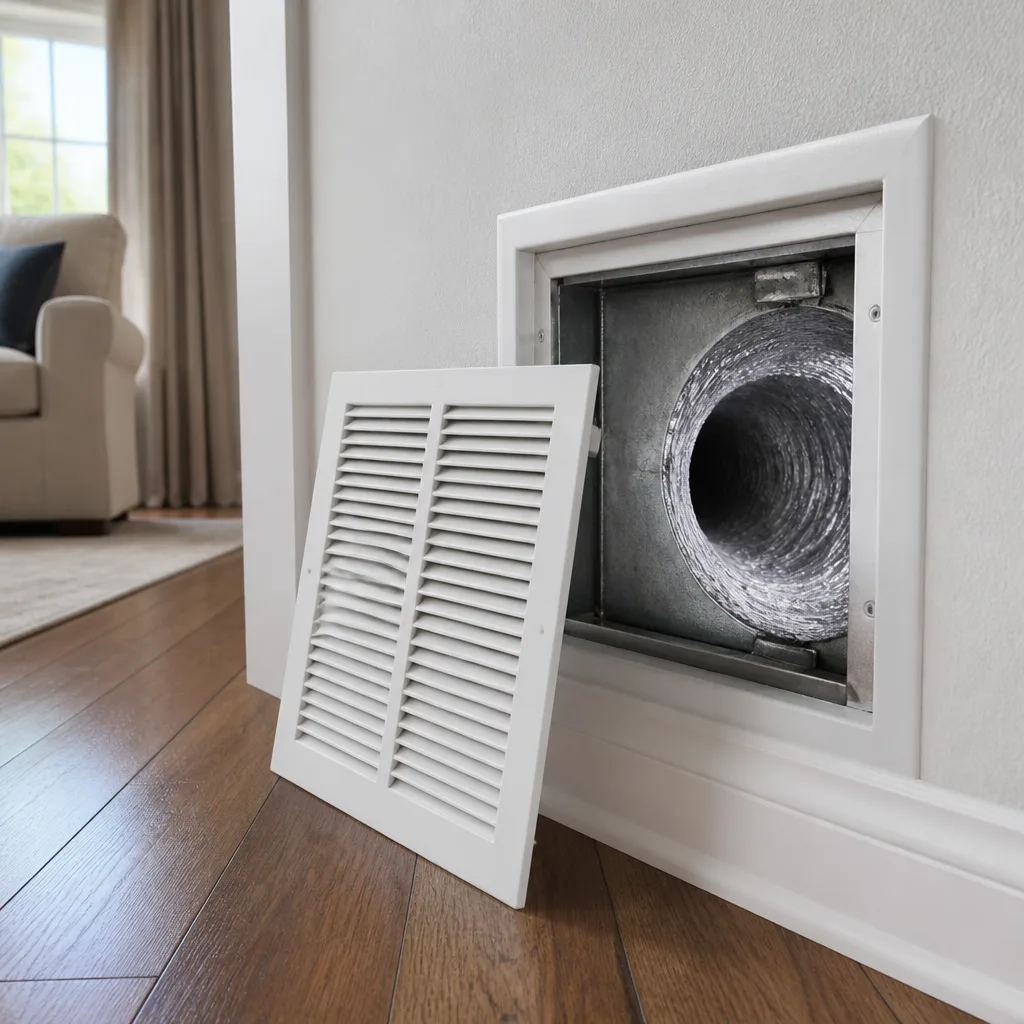 Sanitizing & deodorizing
Whole-system duct and dryer vent check with before-and-after photos - you see exactly what came out of your vents
That "$99 whole-house special" is a bait ad - the real number appears once they are in your hallway, or the "clean" is a shop-vac at the register. We photograph the inside of your ducts before and after instead.
Honeywell Register & Grille Cleaning: The San Antonio Owner’s Guide
Honeywell register and grille cleaning in San Antonio typically runs $145 to $310 for a whole-home service, depending on how many registers your system has and how much buildup they’ve collected. We stock Honeywell-compatible replacement registers and grilles on our trucks, and most jobs are completed the same day we arrive. What usually brings a San Antonio homeowner to this page is that moment when they pull a register off to vacuum underneath and realize it’s not just dusty. It’s coated, corroded, or bent. And suddenly the air flowing past that grille is moving through years of whatever that is.
We want you to understand exactly what’s happening with your Honeywell registers before anyone quotes you a price. So let’s walk through it the way we would on the job site, before the first tool comes off the truck.
Key takeaways:
- Honeywell registers are built to tight tolerances, which means cleaning them wrong warps the damper blades and ruins the fit.
- You don’t always need replacements. Sometimes a proper removal, degreasing, and reinstallation is the right call.
- If replacements are needed, we carry Honeywell-compatible sizing on the truck so you aren’t waiting on a special order.
- The written price is in your hand before any work starts. That’s how Paul Adeyemi runs every job at Mortons Air Duct San Antonio.
Which Honeywell Models This Applies To
Honeywell makes registers and grilles across a few different lines, but the most common ones we see in San Antonio homes are the Honeywell Home TrueZONE registers, the standard stamped-steel supply registers, and the decorative aluminum grilles that come with many new Lennox, Trane, and Carrier installations. The critical thing to know is that Honeywell’s register boxes are engineered to fit flush against specific duct openings, and they don’t play well with aftermarket knockoffs that are a quarter inch off in either direction.
Here’s what we check when matching a register or grille to a Honeywell system: the stamped part number on the back of the faceplate, the rough opening dimensions of the boot (not the faceplate itself), and whether it’s a supply register with a damper or a return grille without one. A supply register controls airflow; a return grille just lets air through. People mix those up all the time, and installing a damper where a grille belongs can restrict your return air badly enough to stress the blower motor.
For the OEM-versus-aftermarket question on Honeywell specifically: for supply registers, we usually recommend OEM or a direct Honeywell-compatible replacement because the damper tension matters. For return grilles, a quality aftermarket match is fine as long as the dimensions are exact. The aftermarket grilles we’ve seen fail the most are the ones that are slightly thinner gauge. In a San Antonio home where the AC runs hard from May through September, thin metal expands and contracts enough that the grille starts to rattle or the screws work loose. That’s not a warranty issue. That’s a metal-quality issue.
Styles & brands we work with
Signs Your Honeywell Register & Grille Cleaning Is Failing
Here’s what we actually see when a register has gone past the point of a quick wipe-down and into the territory where proper cleaning or replacement becomes the right move.
- Visible dark streaks or discoloration running along the louvers. That’s usually a mix of fine dust, condensation residue, and sometimes a little cooking grease if the register sits near the kitchen. Once it bakes on, it won’t come off with a sponge. It needs a soak and agitation, or replacement if the aluminum has etched.
- The damper wheel or lever no longer moves smoothly, or it spins without changing the airflow. Honeywell damper mechanisms are simple but precise. Grit in the track or a bent pivot means the damper won’t hold position, and you lose control of that room’s comfort. Sometimes it’s cleanable; sometimes the linkage is shot.
- Rattling or buzzing when the blower runs. This is often a register that’s no longer seated tightly in the boot, or a grille whose stamped louvers have worked loose with temperature swings. San Antonio’s heat cycling does a number on flimsy metal. If the rattle is in the boot itself, that’s a duct issue, not a register issue. We check both.
- Visible rust or corrosion, especially near the edges or screw holes. San Antonio humidity plus the temperature differential at the register face creates condensation, and condensation on a damaged finish means rust. Rust particles flaking into the airstream is not something you want circulating through a home with kids and pets.
- You can smell something sour or stale only when the air kicks on. Dust itself doesn’t smell much, but dust plus humidity plus a little pet hair in a warm, dark register box can develop a definite odor. If cleaning the register still leaves the smell, the problem is likely deeper in the duct branch. We’ll tell you that honestly, because selling you a register you don’t need is not how we operate.
See the difference
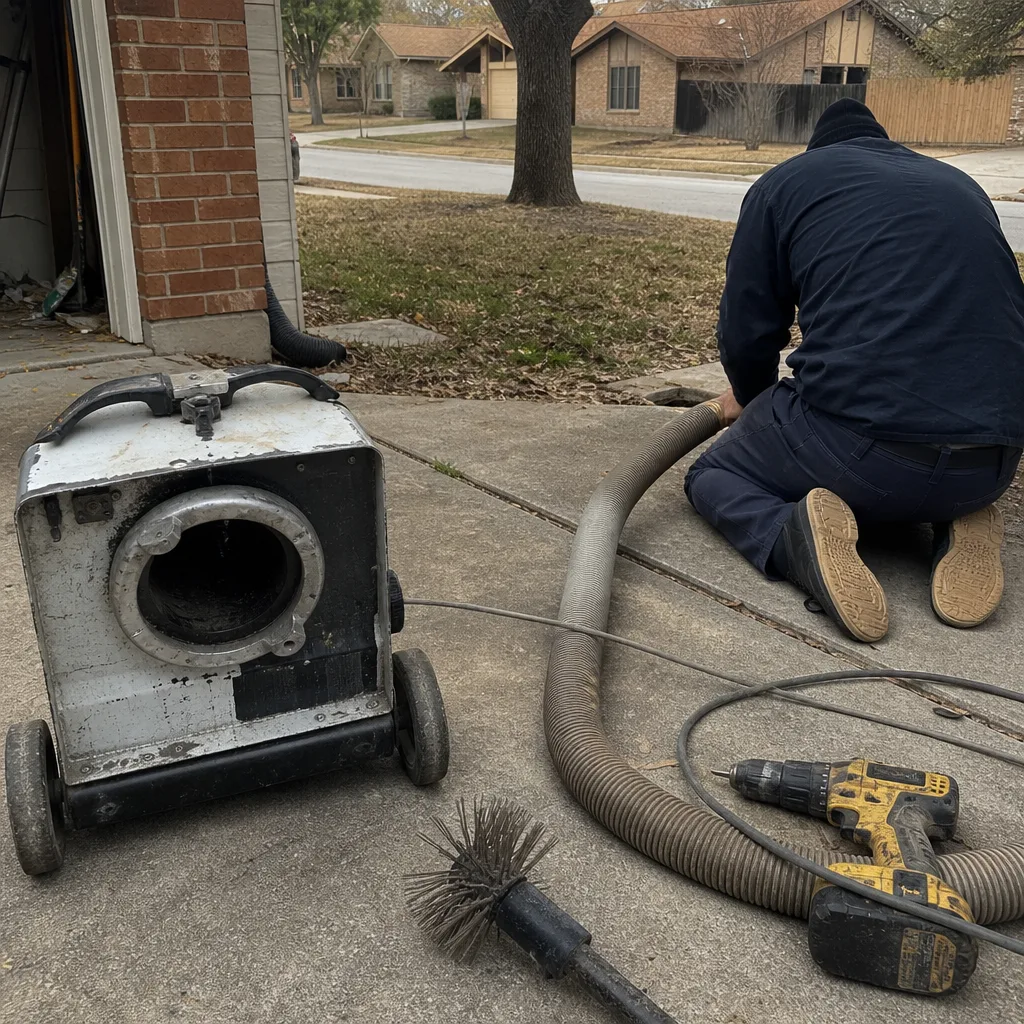 Before
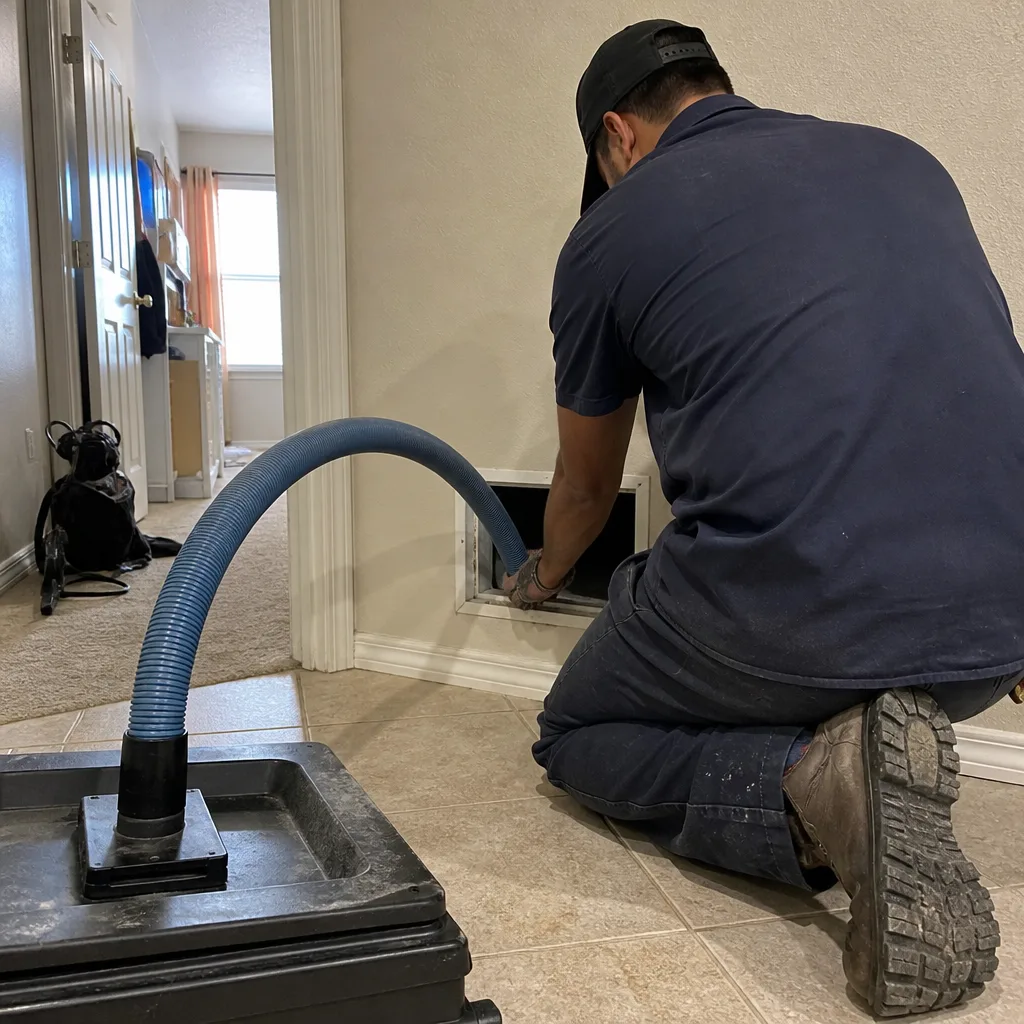 After
After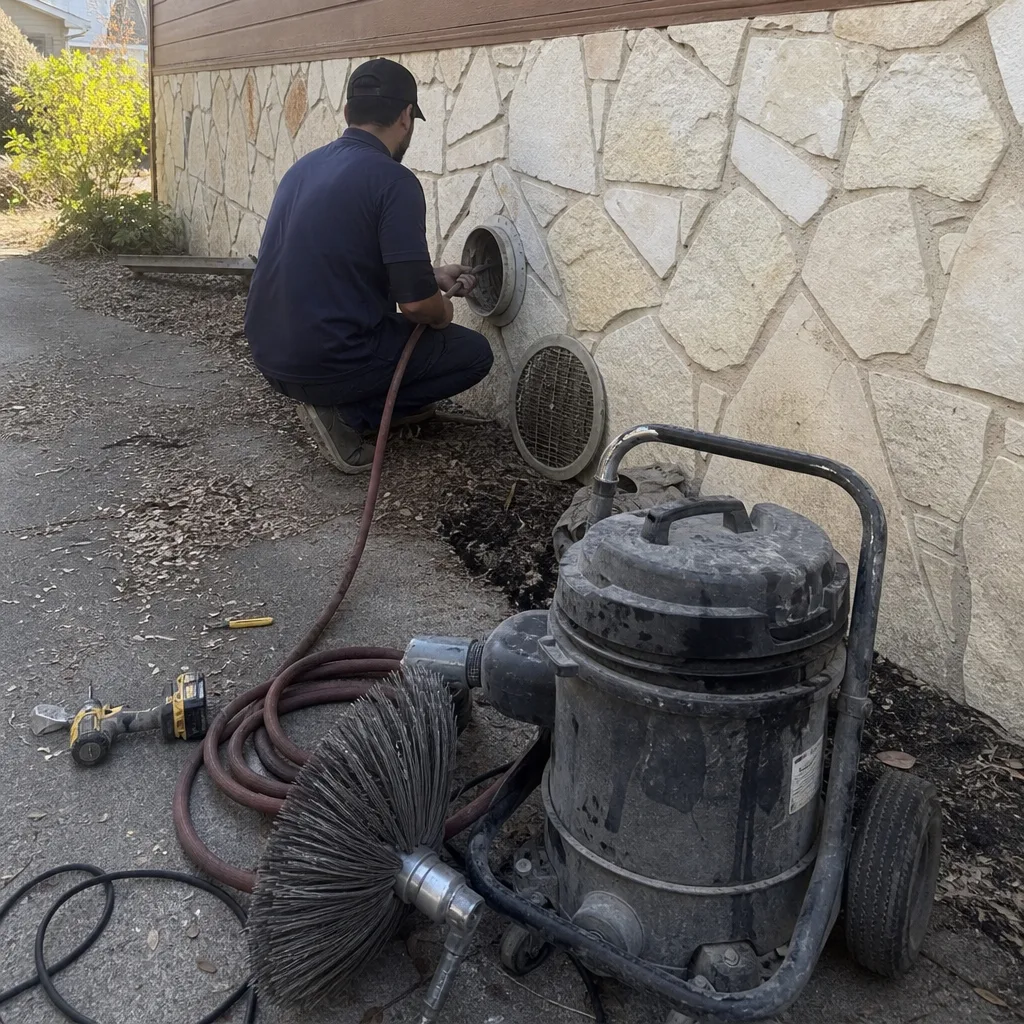 Before
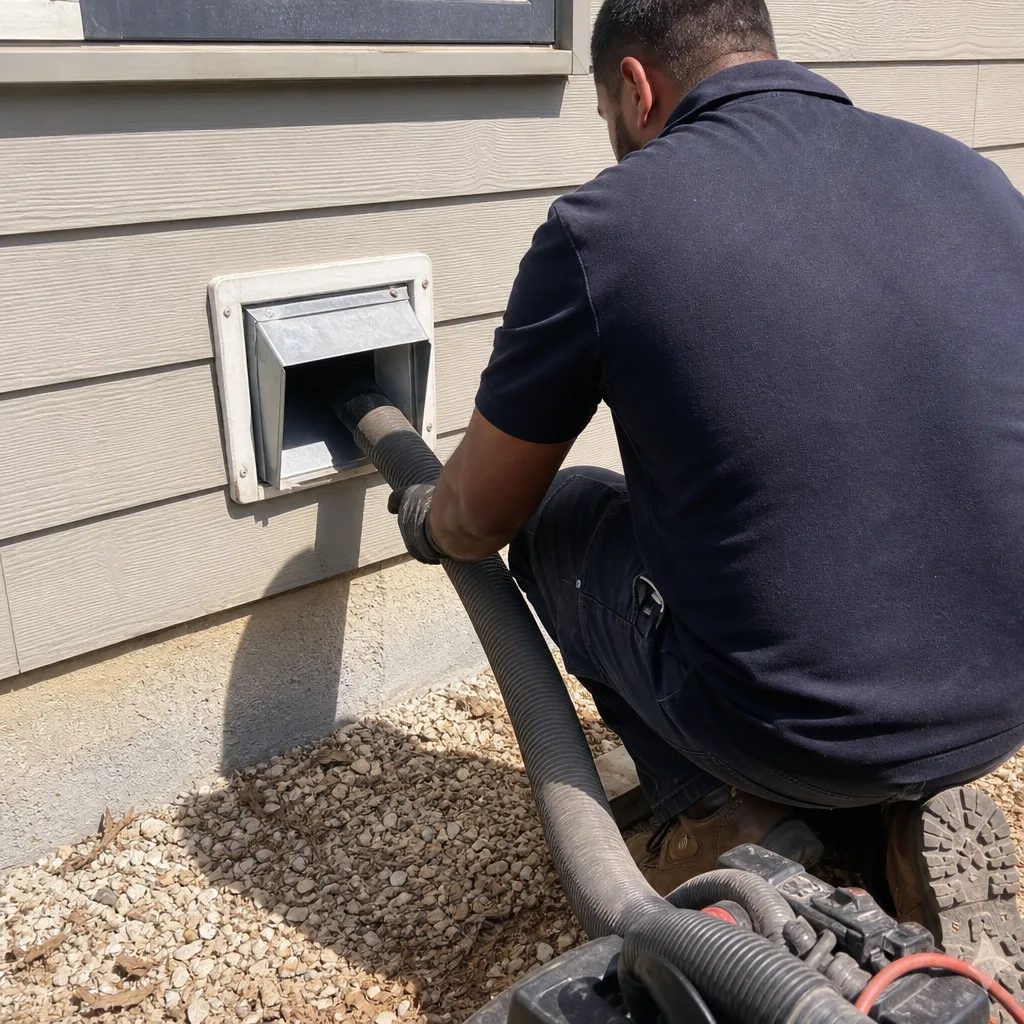 After
After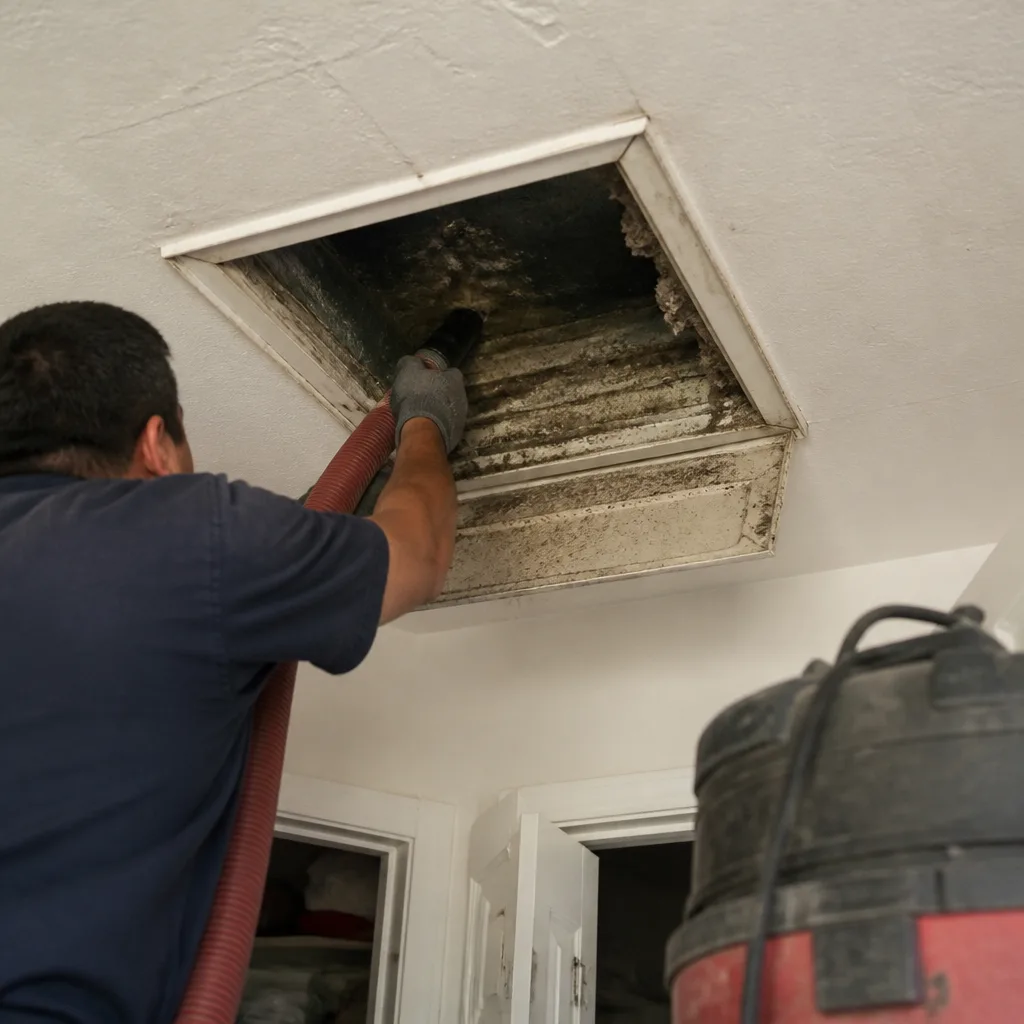 Before
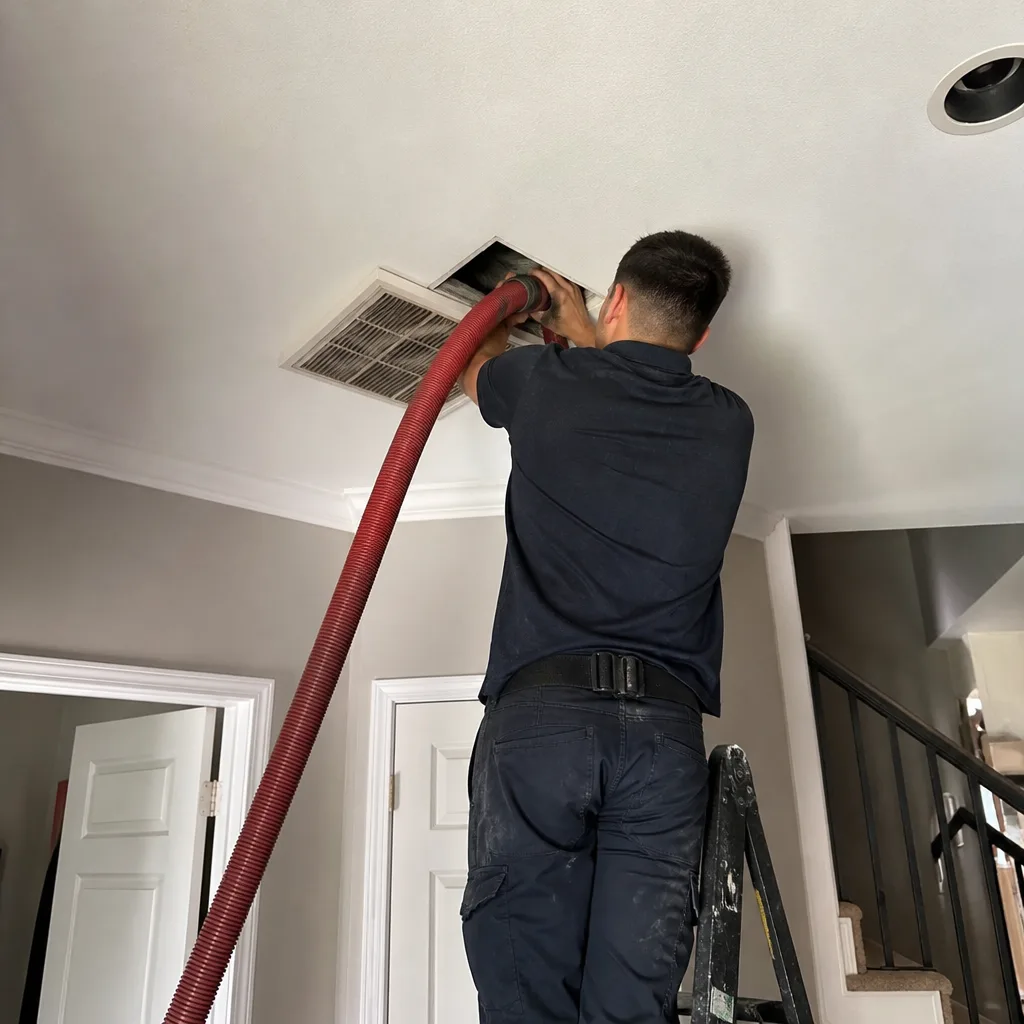 After
AfterReplacement Cost & What’s Included
In San Antonio, you should expect register and grille cleaning for a typical 2,000 to 2,800 square foot home to land between $180 and $260. That covers removing every supply register and return grille, degreasing and sanitizing them, cleaning the immediate boot opening, and reinstalling everything with new screws if the old ones are stripped. If some registers need replacement, a standard Honeywell-compatible supply register runs $14 to $28 each installed. Decorative grilles or unusual sizes run more.
What drives the price up is usually the number of returns, whether registers are painted over by previous owners (more common than you’d think in older Alamo Heights and Castle Hills homes), and whether the existing hardware is so corroded that screws have to be drilled out. Paul Adeyemi’s rule is simple: we tell you exactly what we’re doing, and exactly what it costs before we start. You get a written price that includes parts, labor, and the cleanup. If you have a register we can’t match, we tell you before we touch it, not after.
The work falls under our 365-Day Done Right Promise. If a register we cleaned or replaced isn’t right, we come back and make it right. Full stop.
DIY or Call Us?
You can absolutely pull a register off and vacuum the visible dust out of the boot opening. That’s basic maintenance, and we encourage it. What we’d caution against is trying to degrease or repaint Honeywell registers while they’re still mounted, or using heavy solvents indoors near your HVAC returns. The chemicals get pulled right into the system and spread through the house.
Where DIY usually goes wrong is with bent damper blades, stripped screw holes, or a register that no longer sits flush because the boot was installed slightly out of square. Forcing a register back into a warped boot bends the frame, and then you’ve got an air leak around the edges. At that point, you’re not saving money. You’re creating a bigger fix. If you’re unsure, call us at (903) 354-8393. We’ll tell you over the phone whether it sounds like something you can handle yourself or something worth us putting eyes on.
FAQs
In a San Antonio home with central AC running roughly eight months of the year, expect 15 to 20 years from a quality Honeywell register before noticeable wear sets in. That’s based on what we see in the field, not a manufacturer’s spec sheet. Homes with salt air drift from the Gulf, or high humidity from shower-heavy bathrooms, will see corrosion earlier.
Call us at (903) 354-8393 and we’ll tell you honestly whether yours are at the end of their life or just need a proper cleaning.
Yes, often. If the frame is straight and the louvers aren’t corroded, we can typically clean, lubricate, and repair a sticky damper or a loose pivot. Replacement makes sense when the metal is thinned, the frame is warped, or the damper mechanism is broken beyond a clean fix. We’ll show you the register and explain what we’re seeing before we recommend anything.
For a typical San Antonio home with 12 to 18 registers and returns, plan on 2 to 3 hours. That includes removal, cleaning, boot inspection, any replacements, reinstallation, and the walkthrough with photo proof of the cleanup before we leave. We won’t rush it, and we won’t park the van and drag it out either.
We stock the most common Honeywell-compatible supply register sizes and standard return grilles on our trucks at all times. If your home has an unusual size or a specialty finish, we’ll source the exact match and install it on a follow-up visit with no additional trip charge. We’d rather do it right once than do it twice.
Our team at Mortons Air Duct San Antonio has been cleaning ducts and vents across the city for years, from Stone Oak two-stories with surprising dust buildup to older homes near the medical center where the registers have been painted over more times than anyone can count. We use professional equipment from Rotobrush and Nikro on the duct side, and when it comes to Honeywell register work, we treat every faceplate like it’s part of your home’s first impression. Because it is.
If your Honeywell registers are looking rough, or you just want a professional opinion on whether they need cleaning or replacement, call us at (903) 354-8393. We’ll answer the phone, ask a few questions, and give you a straight answer. No pressure, no surprises, no bait and switch. Just a written price before anything starts, and a house we leave better than we found it.
Written by Paul Adeyemi, Owner, Mortons Air Duct San Antonio at Mortons Air Duct San Antonio, serving San Antonio and nearby areas.