
Last updated October 15, 2026
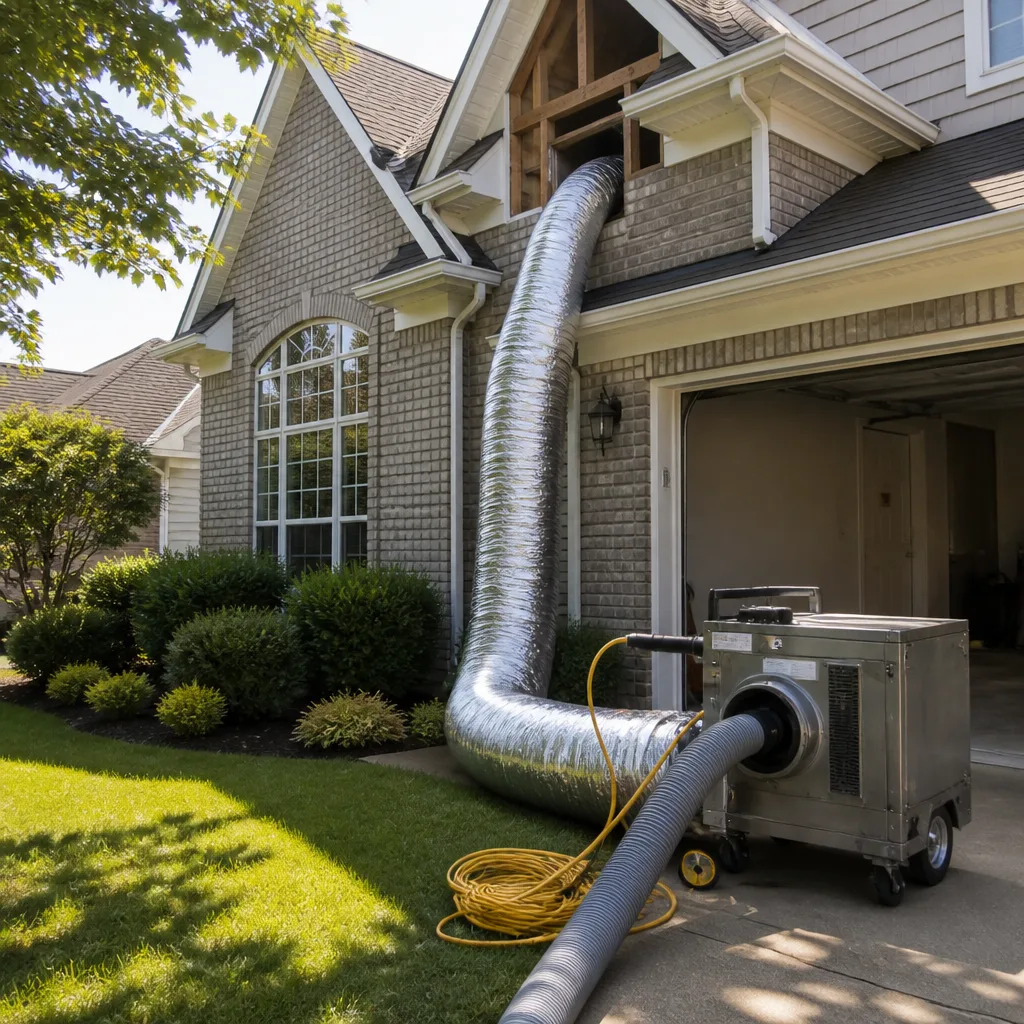 Whole-home duct cleaning
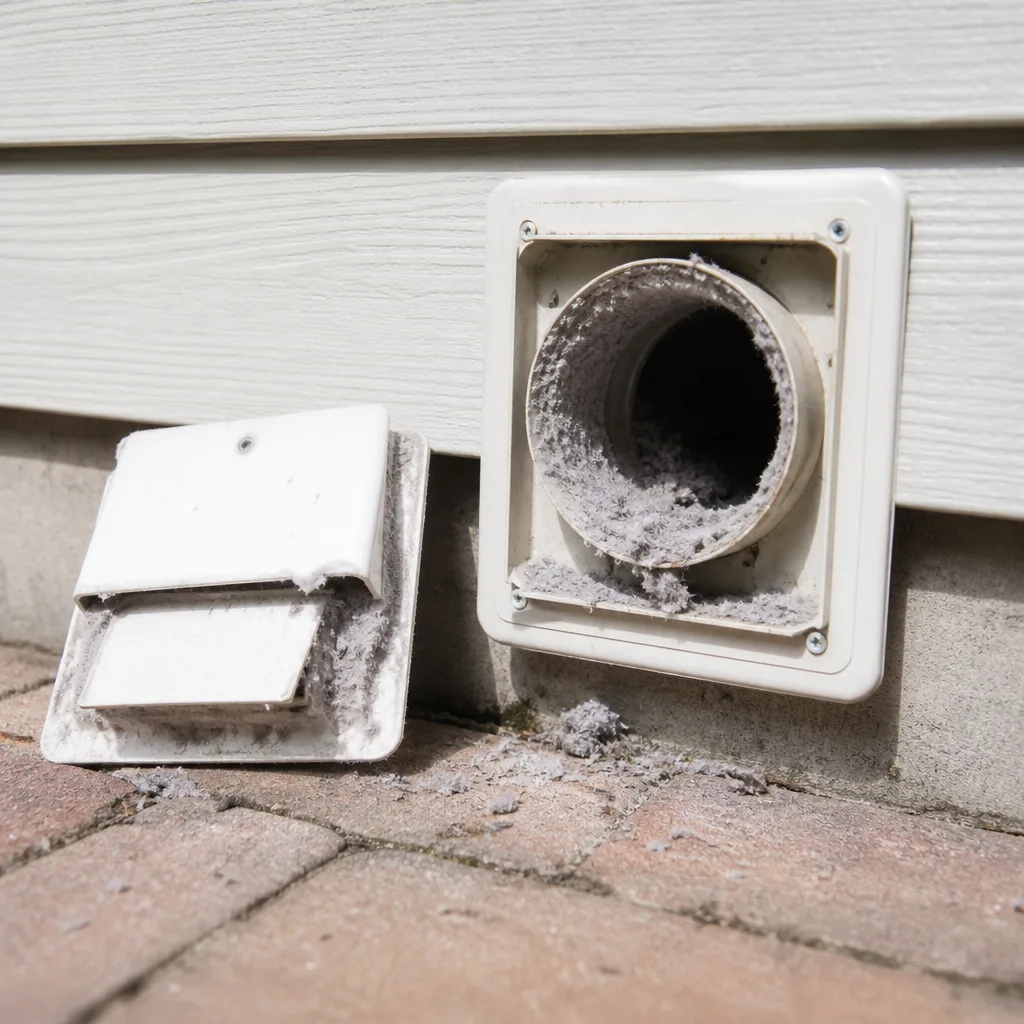 Dryer vent cleaning
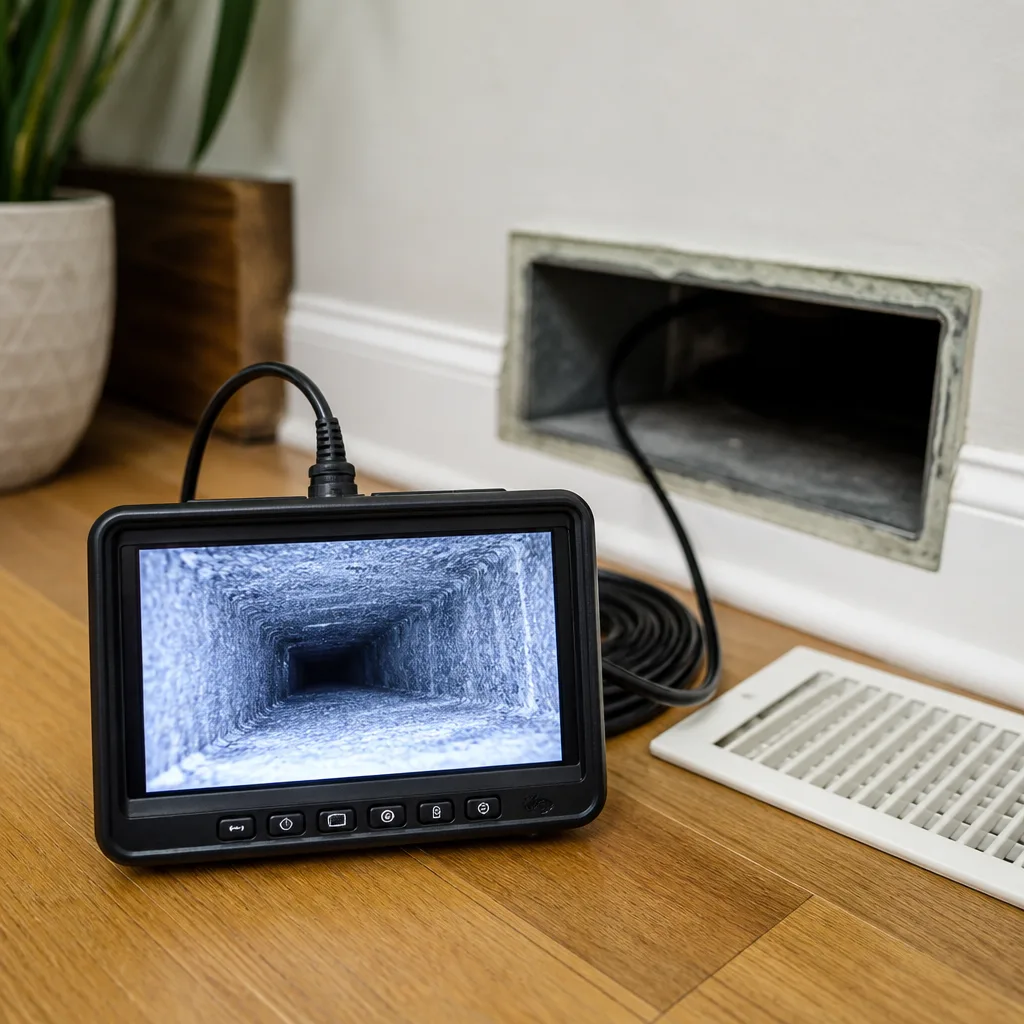 Camera inspection
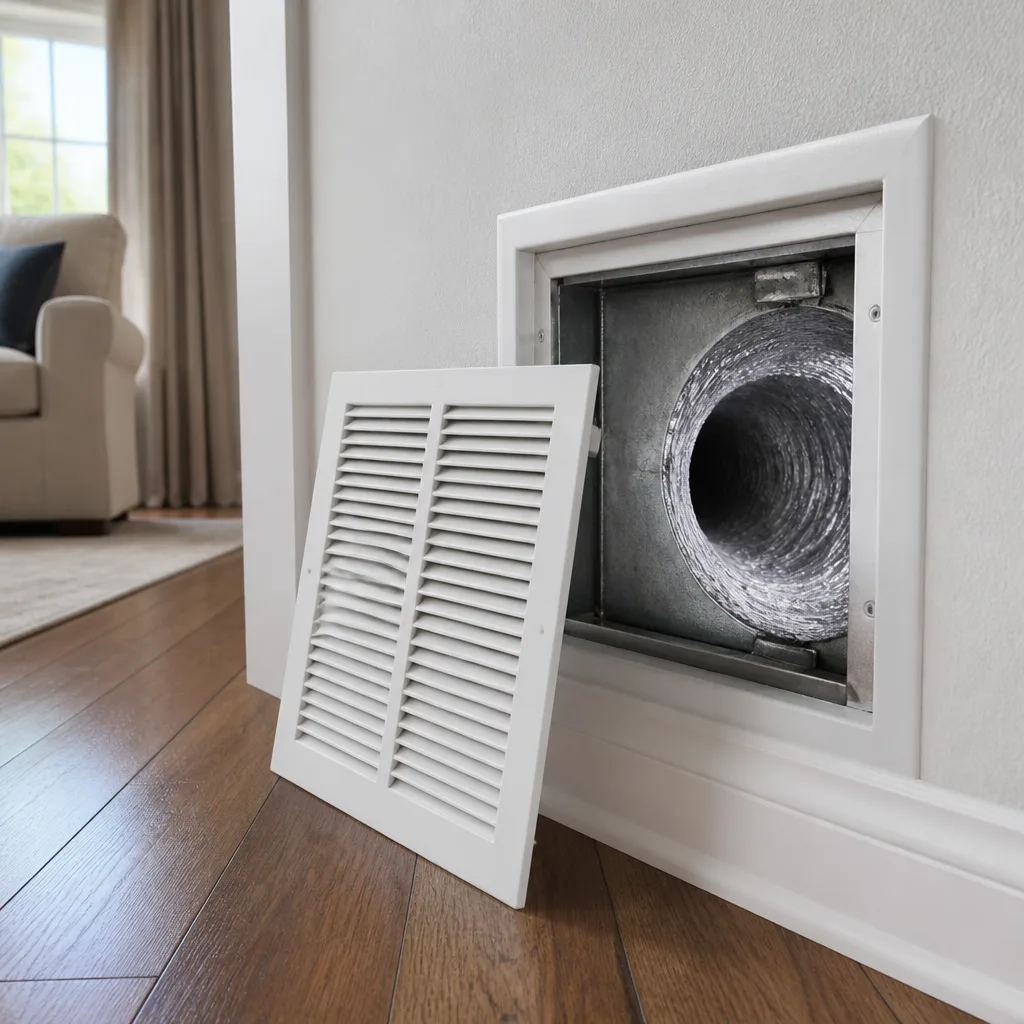 Sanitizing & deodorizing
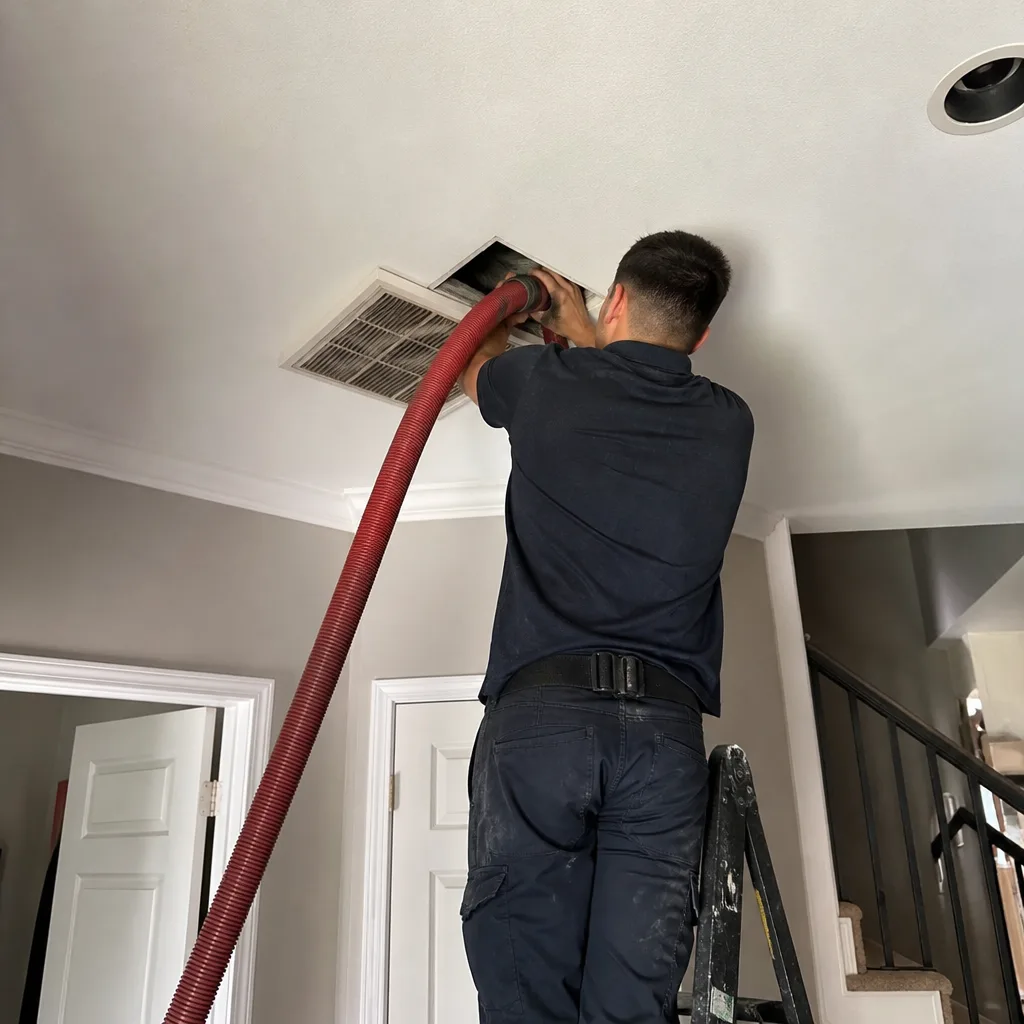
Whole-system duct and dryer vent check with before-and-after photos - you see exactly what came out of your vents
That "$99 whole-house special" is a bait ad - the real number appears once they are in your hallway, or the "clean" is a shop-vac at the register. We photograph the inside of your ducts before and after instead.
Air Duct Cleaning Maintenance Checklist for San Antonio Homeowners
Most homeowners replace their air filter on a vague schedule and call it maintenance. But a filter only catches what reaches it. Everything that already coated your supply lines, return plenums, and register boots stays put until someone physically removes it. In San Antonio, where your AC runs hard from April through October and mountain cedar turns the air brown every winter, that buildup accumulates faster than most families realize. This guide gives you a practical, month-by-month checklist calibrated to San Antonio’s actual allergen calendar, the visual checks you can do without tools, and a simple log system that tells you when your HVAC is working harder than it should between professional Air Duct Cleaning services.
Styles & brands we work with
Quick Answer
An air duct maintenance checklist for San Antonio homeowners should include monthly filter checks, visual register inspections, and seasonal deep-clean scheduling timed to the city’s allergen peaks: mountain cedar from December through February, oak pollen March through April, and dust accumulation during peak cooling months. Most San Antonio homes with pets or allergy-prone kids benefit from a professional air duct cleaning every 3 to 5 years, with a simple monthly log making that timeline obvious rather than guessed. For more details, see our guide on Air Duct Cleaning Warning Signs: A San Antonio Homeowner’s Reference Guide.
Table of Contents
- Why San Antonio Needs Its Own Duct Maintenance Checklist
- The Monthly Checklist: What to Check, What to Note
- San Antonio’s Seasonal Allergen Calendar and Your Ducts
- Visual and Sensory Checks You Can Do Without Tools
- Filter MERV Ratings for San Antonio Homes with Kids and Pets
- A Simple Maintenance Log You Can Keep Near Your Air Handler
- Normal Post-Cleaning Dust vs. Signs of an Incomplete Previous Cleaning
- Common Mistakes to Avoid
- When to Call a Professional
- Frequently Asked Questions
- The Bottom Line
Why San Antonio Needs Its Own Duct Maintenance Checklist
A generic duct maintenance checklist written for a homeowner in Minneapolis or Seattle misses the point entirely. San Antonio has a climate that keeps dust moving, a winter pollen that coats every outdoor surface in a fine brown film, and cooling seasons long enough to make your system run for 3,000 or more hours a year. That combination is unique. Your ducts accumulate material differently than a home in a cooler, shorter cooling season market because the blower runs longer, pulls more return air, and recirculates whatever is already in the system through every room.
We’ve seen this play out in homes across San Antonio, from Alamo Heights to Helotes to Stone Oak. Homes with the same square footage and the same filter schedule can have dramatically different duct conditions based on how many pets are inside, whether windows are opened during spring pollen peaks, and whether the return registers have ever been deep-cleaned. A maintenance checklist that works for this city has to account for those variables, not just remind you to change a filter every 90 days.
The goal of the checklist below is not to turn you into a technician. It’s to turn you into an informed observer. When you know what normal looks like, you notice the early signs of abnormal. And in ductwork, early attention always costs less than deferred attention. Think of it this way: your air duct cleaning in San Antonio is the reset point. The checklist is what keeps the system honest between resets.
The Monthly Checklist: What to Check, What to Note
This is the core of the guide. Each item takes less than two minutes, requires no tools beyond a flashlight and your eyes, and creates a running record you can share with any technician on a future visit. Do these checks on the same day each month. The first of the month works well because it pairs with other household routines like replacing air filters or checking smoke detector batteries.
The Four-Point Monthly Routine
- Check and photograph your air filter. Slide the filter out and hold it up to a light source. If you can’t see light through it, you’ve waited too long. A dirty filter forces your blower motor to work harder, which pulls more dust through gaps in the return system. Take a phone photo of the dirty filter before you swap it. Over time, those photos show you how fast your home actually collects airborne debris.
- Inspect three register covers, not one. Pick a different room each month. Look at the register cover itself: is there a visible darkening around the vent slats? That’s dust blow-pattern, and it tells you which rooms are moving the most conditioned air. Wipe the cover with a damp microfiber cloth, which is the only cleaning a homeowner should routinely do to the visible parts of the system.
- Open the return air grille and look inside with a flashlight. The return side of the system is where dust enters. Look at the inside edges of the return plenum. If you see gray felt-like coating, that’s accumulated dust and pet dander. A thin film is normal. A thick coating that looks like dryer lint is not.
- Note any new sounds or smells. Does the system make a faint ticking noise on startup now that it didn’t a month ago? Does the air smell musty for the first 30 seconds of a cycle? Both observations belong in your log. Neither is urgent by itself, but a pattern over two or three months is a signal worth acting on.
These four checks give you a complete observational snapshot of your system’s condition every month. You are not diagnosing anything. You are recording. The value is in the record, not in any single month’s observation.
San Antonio’s Seasonal Allergen Calendar and Your Ducts
San Antonio’s pollen seasons don’t follow the calendar most homeowners learned in other parts of the country. Our winter is one of the worst pollen seasons in America, not the dormant season. And summer, while not a pollen peak, is when dust accumulation inside ducts accelerates simply because the system runs nearly continuously.
December through February: Mountain Cedar Season
Mountain cedar, which is actually Ashe juniper, pollinates from early December through mid-February, often peaking in late December and January. The pollen appears as a fine brown-orange cloud that you can see rising from the juniper-covered hillsides northwest of San Antonio when the wind gusts. It settles on cars, patios, and window screens. It also settles inside your return ducts if your system pulls from outside at all, or if you open windows during warm afternoons in what passes for winter here. During cedar season, check your air filter every two weeks instead of monthly. A MERV 11 or higher filter will capture cedar pollen more effectively than a basic fiberglass filter, but verify your blower can handle the higher resistance before you make a change.
March through April: Oak Pollen Season
Live oak and red oak pollinate heavily in San Antonio from mid-March through early April. Oak pollen is larger and heavier than cedar pollen, which means it settles faster and is less likely to remain airborne for long periods. But it also means it collects on horizontal surfaces inside your return plenum. During this window, pay extra attention to the return register. You may see yellow-green pollen accumulations on the grille face. Wiping the register cover weekly during March and April is not overkill, especially if you have live oaks within 50 feet of your home.
May through October: Cooling Season Dust Accumulation
Your AC runs more hours in a San Antonio summer than in most of the country. More run time means more air passes through the system, and more air means more dust throughput. Even without a pollen event, dust from dead skin cells, pet dander, and degraded carpet fibers cycles through your ductwork all summer. The dust is mostly microscopic and passes right through the filter unless the filter is rated to capture it. A mid-summer visual check of the supply registers will often reveal a fine gray film developing on the slats. That film is dust that has already been through the system and is being blown back out. It’s not an emergency, but it’s a sign the ducts are holding dust even as the filter does its job.
Visual and Sensory Checks You Can Do Without Tools
You do not need a borescope camera or any specialized equipment to monitor your ductwork. Your eyes, nose, and ears are sufficient for a monthly check. What you need is to know what you’re looking at, and what different observations actually mean. Here is what we tell San Antonio homeowners to look for, organized by what you’ll actually encounter.
At the Register Covers
- Gray or brown streaking on the slats: This is dust blow-pattern. It is normal and simply means air is moving through the register. Clean it monthly. If it returns within a week, the system is heavily loaded with dust upstream.
- Black or green specks near the register edges: This can indicate mold growth in the register boot, especially in humid months. Do not wipe this off and ignore it. This warrants an inspection from a qualified technician.
- Temperature difference between rooms: If one register blows noticeably weaker or warmer air than the others, note it in your log. Repeated monthly observations of the same pattern suggest a damper issue, a disconnected run, or a duct leak, not just a filter problem.
At the Return Grille
- Visible dust coating inside the return plenum: Use a flashlight. If the inside surface looks like felt, the return side needs attention. This is where pet hair, dander, and larger particles collect first because they are too heavy to make it through the filter.
- Pet hair wrapped around the grille face: Common in San Antonio homes with dogs and cats. The grille acts like a comb when the system runs. If you’re pulling a handful of pet hair off the return grille every month, your filter is not the only thing catching debris.
- Whistling from the return when the door to the room is closed: This means the return is undersized relative to the airflow demand, which causes the system to pull air from wherever it can, including gaps around the filter. A whistling return reduces efficiency and pulls unfiltered air around the filter media.
Sounds and Smells
- Musty smell on startup, gone in 60 seconds: This is moisture that has condensed on the coil or collected in the drain pan during off cycles. In a humid San Antonio spring, it can be normal. If it persists longer than a minute or appears in the middle of the cycle, it may indicate standing water in the drain pan or microbial growth on the coil.
- Ticking, tapping, or clicking from the vents: Most often thermal expansion of metal ductwork. If it happens consistently on startup and then fades, note the frequency. A sudden change in sound quality, rather than the presence of sound, is the more useful observation.
- Burning smell when the heat runs for the first time each year: Dust that has settled on heat strips or a heat exchanger burns off during the first few heating cycles. This is normal and resolves on its own. It is not a reason to panic, but it is a reason to remember how much material settled in the system during the cooling season.
Filter MERV Ratings for San Antonio Homes with Kids and Pets
The right filter for your home depends on two things that rarely get discussed together: what you want to capture, and what your blower motor can handle. This is the part of duct maintenance where generic advice fails, and where San Antonio homeowners with kids and pets often make an avoidable mistake.
What MERV Means
MERV stands for Minimum Efficiency Reporting Value, a scale from 1 to 16 that rates a filter’s ability to capture particles of a given size. A MERV 1 filter is a basic fiberglass mesh that catches large debris only. A MERV 16 filter captures nearly everything down to virus-sized particles but creates significant airflow resistance that most residential systems were never designed to handle.
Recommended Ratings by Household Type
- MERV 8: The baseline for a home with no pets, no allergy issues, and no one with respiratory conditions. Captures pollen, dust mites, and larger dust particles. Works with virtually any residential blower motor.
- MERV 11: A good general choice for San Antonio homes with one or two pets, or kids with mild seasonal allergies. Captures finer pet dander and more allergen particles than a MERV 8 without creating excessive pressure drop in most systems.
- MERV 13: The right choice for San Antonio homes with multiple pets, children with significant allergies or asthma, or a household member with a compromised immune system. MERV 13 filters are used in hospital ancillary areas and capture a high percentage of airborne allergens. However, a MERV 13 filter creates meaningful resistance. You should verify that your blower motor is rated for a filter this dense. If your system is older or your ducts are undersized, a MERV 13 can reduce airflow to the point where the coil freezes in summer.
Why the Blower Motor Matters
Every blower motor has a maximum external static pressure rating. A higher MERV filter increases resistance, which increases static pressure. If the pressure exceeds the blower’s rating, the system moves less air, runs longer to reach the same temperature, and can freeze the evaporator coil on a humid San Antonio afternoon. This is not a theoretical problem. We have seen systems icing over in August because a homeowner put a MERV 16 filter in a system designed for a MERV 8. If you’re unsure what your system can handle, ask a technician on your next service visit. It’s a 30-second answer that prevents an expensive problem.
A Simple Maintenance Log You Can Keep Near Your Air Handler
The maintenance log is the most underused tool in residential HVAC care. It costs nothing, takes 30 seconds per entry, and transforms your observations from isolated notes into a trend line. A technician looking at your log sees months of data instead of a single snapshot. That means faster diagnosis, fewer unnecessary recommendations, and better-informed decisions about when a cleaning is actually warranted.
What to Record
- Date
- Filter check result (clean, lightly loaded, heavily loaded, replaced)
- Filter type and MERV rating
- Observations at registers (any new streaking, dampness, or discoloration)
- Observations at return grille (dust coating, pet hair accumulation, whistling)
- Any unusual sounds or smells
- Any rooms that feel warmer or cooler than the rest of the house
A spiral notebook taped to the side of your air handler works perfectly. So does a notes app on your phone, provided you keep the entries in one place. The format matters less than the consistency. A homeowner who logs 12 entries a year has a real maintenance record. A homeowner who logs nothing has a guess.
Sample Entry
March 1: Filter replaced, MERV 11. Heavy pollen dust on return grille, wiped clean. No unusual sounds. Master bedroom register noticeably weaker than living room, second month in a row. Noted for technician.
That entry, repeated over a few months in a San Antonio home, gives a technician something no one-visit inspection can provide: a pattern. And patterns are how real problems get caught before they become expensive repairs.
Normal Post-Cleaning Dust vs. Signs of an Incomplete Previous Cleaning
After a professional air duct cleaning, it is completely normal to find fine dust settling on horizontal surfaces near supply registers within the first few days. This dust is the very fine particulate that was loosened during the cleaning process and became airborne before being pushed out through the registers. It should not return after the first week. If it does, something is wrong.
What Normal Post-Cleaning Dust Looks Like
- A very fine, light gray or white powder dusting on tabletops, shelves, or window sills near supply registers.
- Visible within the first 24 to 72 hours after the cleaning, diminishing each day.
- Gone within a week, or easily wiped away and not seen again.
What Incomplete Cleaning Looks Like
- Dust returns within days, week after week, in the same volume or worse than before the cleaning.
- Debris visible at the register boot when you remove the cover: chunks of plaster, construction debris, or thick clumps of pet hair that should have been extracted.
- One room stays dusty while others are clean, suggesting an entire branch line was skipped or lightly serviced.
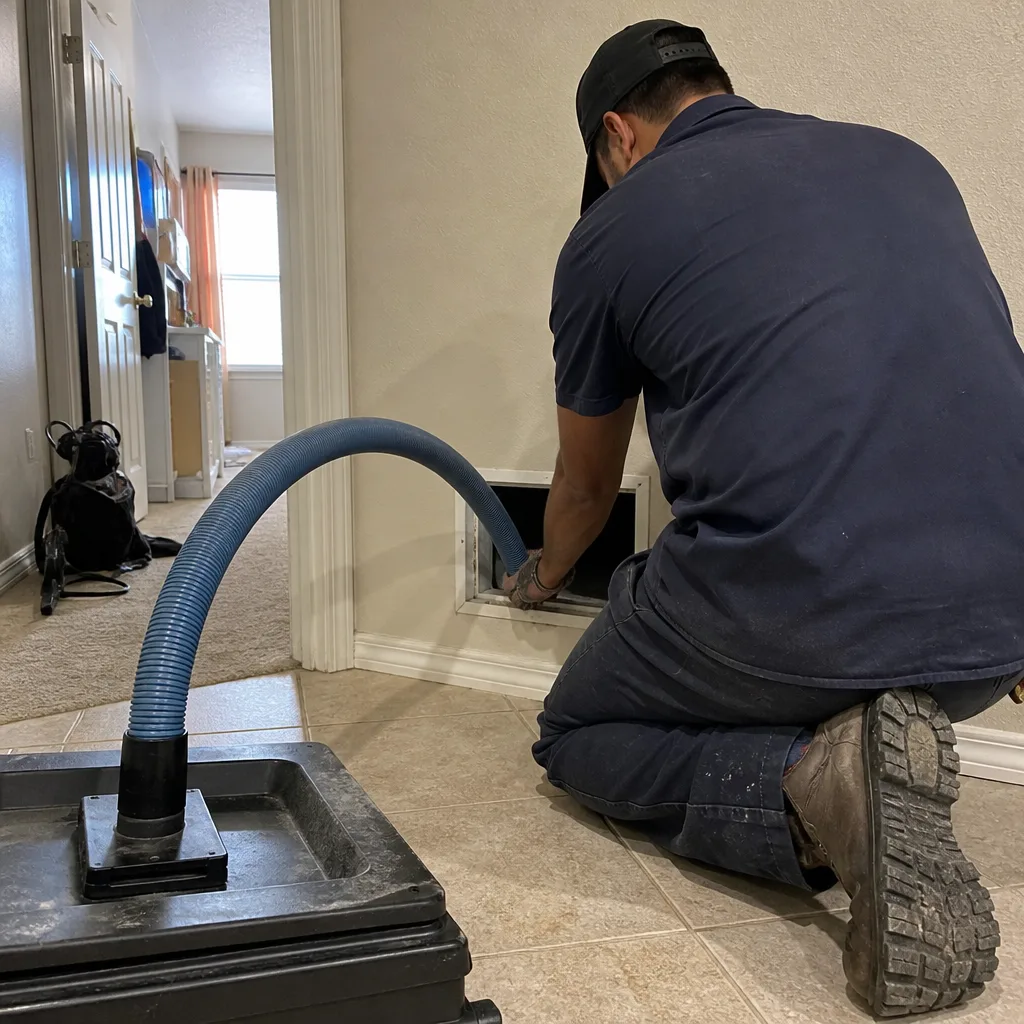
In our experience serving San Antonio, the most common sign of an incomplete previous cleaning is debris left in the return plenum. The supply side gets the attention during a rushed job because that’s where the customer watches the technician work. The return side, hidden behind a grille in a hallway or wall, sometimes gets less thorough treatment. A competent cleaning addresses both sides of the system. That’s why the team behind Mortons Air Duct San Antonio home photographs the completed work before leaving, so you never have to guess whether the job was done thoroughly.
Common Mistakes to Avoid
- Changing the filter on a fixed calendar without checking it first. In San Antonio, a filter that lasts three months in winter may clog in three weeks during mountain cedar season. Calendar-based replacement without visual inspection means you’re either replacing perfectly good filters or running dirty ones for weeks longer than you should.
- Upgrading to a high-MERV filter without checking blower compatibility. As covered above, a MERV 13 or MERV 16 filter on an incompatible system can cause coil freeze-ups in the middle of a San Antonio summer. The cost of the emergency service call exceeds any air quality benefit from the denser filter.
- Cleaning only the supply registers and ignoring the return side. The return side is where air enters the system, and it’s where the largest debris accumulates. Homes with pets in San Antonio often have returns that look dramatically worse than supplies simply because no one ever looks at them.
- Treating a musty startup smell as normal without investigating. In San Antonio’s humid spring and fall shoulder seasons, some coil condensation odor is expected. But a persistent musty smell, or one that occurs mid-cycle, is often the first sign of a clogged condensate drain line or microbial growth in the pan. Both are fixable if caught early, and both get more involved the longer they’re ignored.
- Assuming a duct cleaning is a permanent fix. Your ducts will re-accumulate dust and debris. The rate depends on your home, your pets, your filter, and your habits. A cleaning resets the clock, but it does not stop the clock. Maintenance is ongoing or it isn’t maintenance.
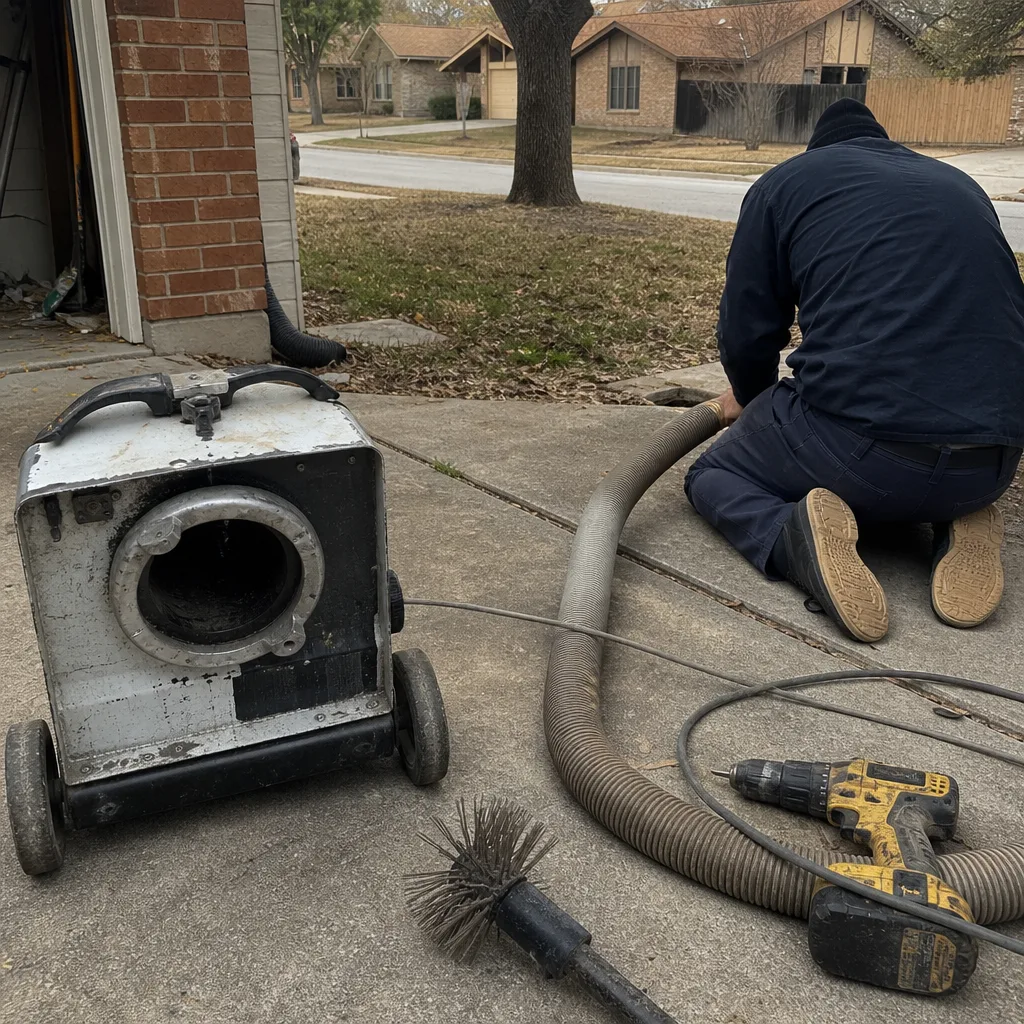
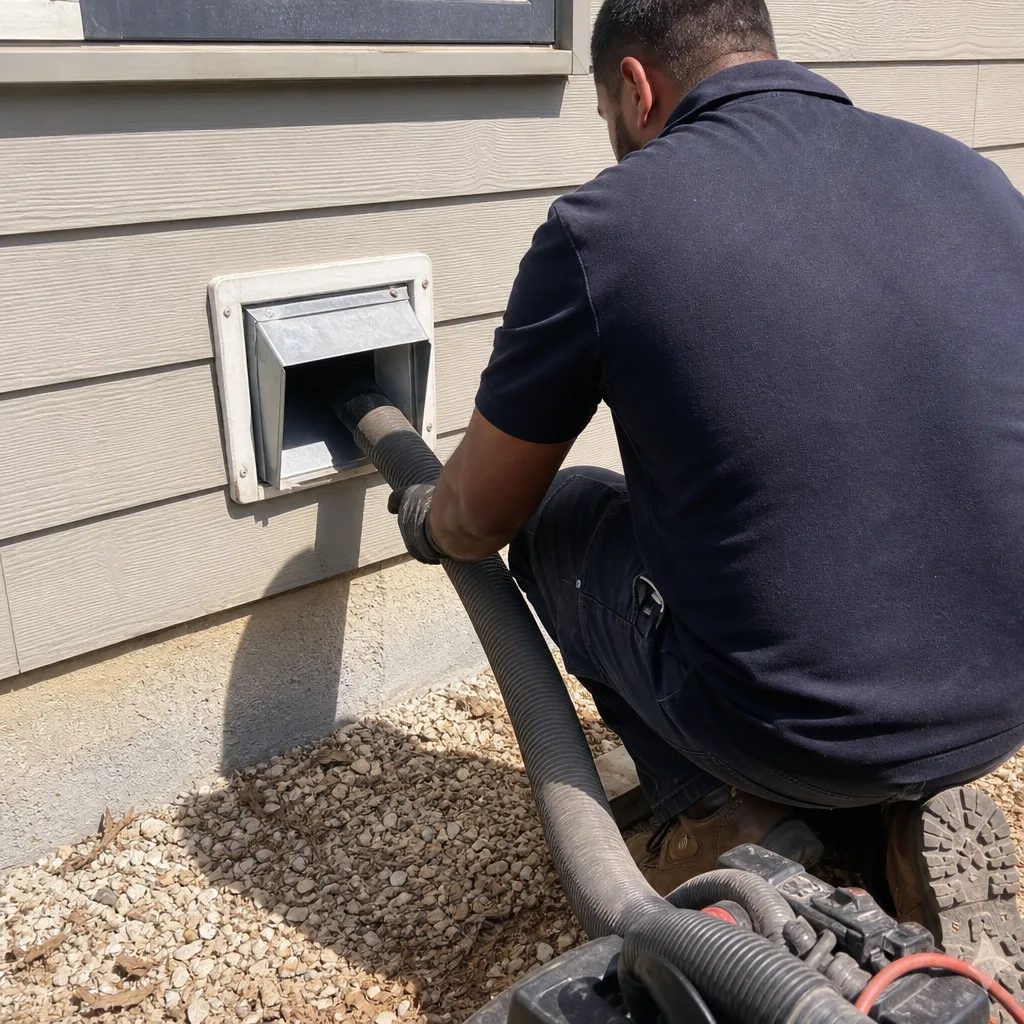
- Skipping the dryer vent while focusing on the air ducts. The dryer vent is part of your home’s air exhaust system, and a clogged vent forces lint into the dryer cabinet and the laundry room. San Antonio homes with two or more pets and daily laundry use should have their dryer vent cleaned in San Antonio annually as a separate item from the HVAC duct system.
When to Call a Professional
You should call a professional when you see black or green growth at a register, when musty smells persist beyond startup or occur mid-cycle, when your log shows the same problem room after room for three consecutive months, or when dust returns within days of cleaning your registers after a supposedly professional cleaning. You should also call if you’ve lived in your San Antonio home for five years or more and have never had the ducts cleaned, especially if you have pets or kids with allergies. Mortons Air Duct San Antonio offers free estimates in San Antonio. Call (903) 354-8393 and speak with a real person about what you’re seeing.
Frequently Asked Questions
Professional air duct cleaning in San Antonio typically costs between $350 and $700 for a whole-home system, depending on square footage, the number of returns, and the system’s accessibility. Homes with additional returns, or those that have never been cleaned, may run higher. Mortons Air Duct San Antonio provides a written price before any work starts, so you know the full cost before the equipment comes out of the van. Call (903) 354-8393 for an exact quote for your home.
Cheaper duct cleaning quotes in San Antonio usually come from companies that either skip the return side, use a simple brush-only approach without negative pressure extraction, or quote a low price and then find reasons to add charges after the job starts. A proper cleaning requires professional equipment and enough time to do the job thoroughly. Mortons Air Duct San Antonio uses professional-grade equipment from brands like Nikro and Honeywell, and the written price you approve before work begins is the price you pay. For regulatory details, read our post on Air Duct Cleaning Permits, Codes & Inspections in TX: What You Need to Know.
Ask for visual verification. A thorough company will show you before and after photos of your system’s interior. Mortons Air Duct San Antonio takes photos of the completed work and the cleanup before the crew leaves your home, so you see the result with your own eyes. You can also inspect your return plenum after the job with a flashlight. It should be visibly cleaner than before, not just redistributed.
For most San Antonio homes, professional air duct cleaning is warranted every 3 to 5 years. Homes with multiple pets, kids with significant allergies, or a mountain cedar season that hits the family hard may benefit from a 2 to 3 year schedule. The maintenance log described in this guide is the best tool for determining your home’s actual needs. If your registers show heavy dust accumulation within months of a cleaning, your interval is shorter. If they stay clean for years, you can extend it.
Duct cleaning removes accumulated cedar pollen from the system, which can reduce the pollen load recirculated into your home during the winter season. However, it is not a substitute for a high-quality filter during cedar season. The combination of a clean duct system and a MERV 11 or higher filter, checked every two weeks from December through February, gives San Antonio allergy sufferers the best indoor air quality outcome during the worst pollen months of the year.
Yes, and many San Antonio homeowners schedule both services on the same visit for convenience. The dryer vent system is separate from your HVAC ducts, and it requires different tools, but scheduling both at once means one less service visit and one less interruption to your routine. Staggering them is fine too, but the dryer vent should be cleaned annually regardless of how recently the HVAC ducts were done.
The Bottom Line
The best air duct maintenance checklist for San Antonio is one you can actually keep. Check your filter monthly, not on a calendar guess. Look at your registers and return grilles with a flashlight. Keep a simple log near your air handler. Understand that mountain cedar in winter, oak in spring, and continuous AC in summer each create a unique burden on your ductwork. And remember that a professional cleaning resets the system, but only your ongoing attention keeps it honest between cleanings. If you’re ready to schedule a cleaning or want a second opinion on what you’re seeing in your ducts, Morton’s Air Duct San Antonio provides free estimates with a written price before any work starts. Call (903) 354-8393 and speak with a real person.
Written by Paul Adeyemi, Owner at Mortons Air Duct San Antonio, serving San Antonio since 2005. Explore more guides & resources on our blog.
See the difference
 Before
 After
After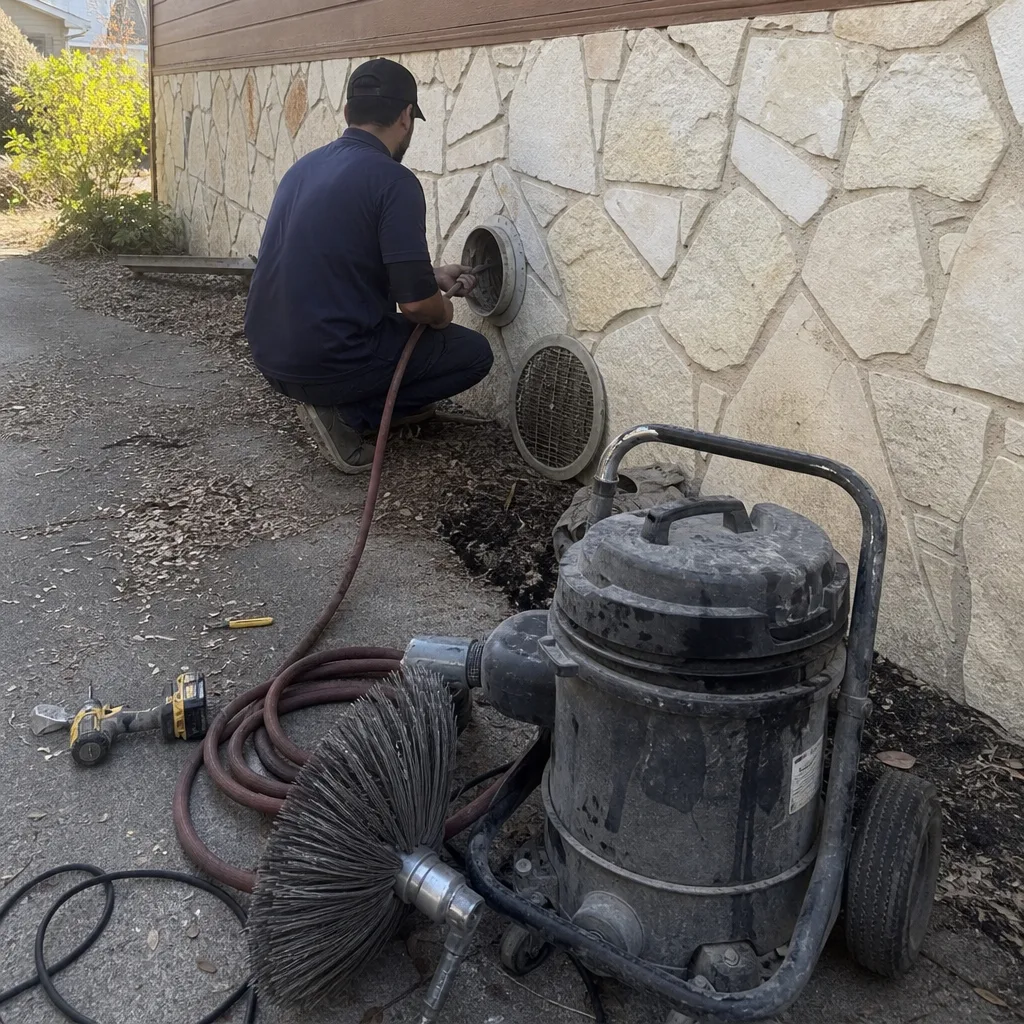 Before
 After
After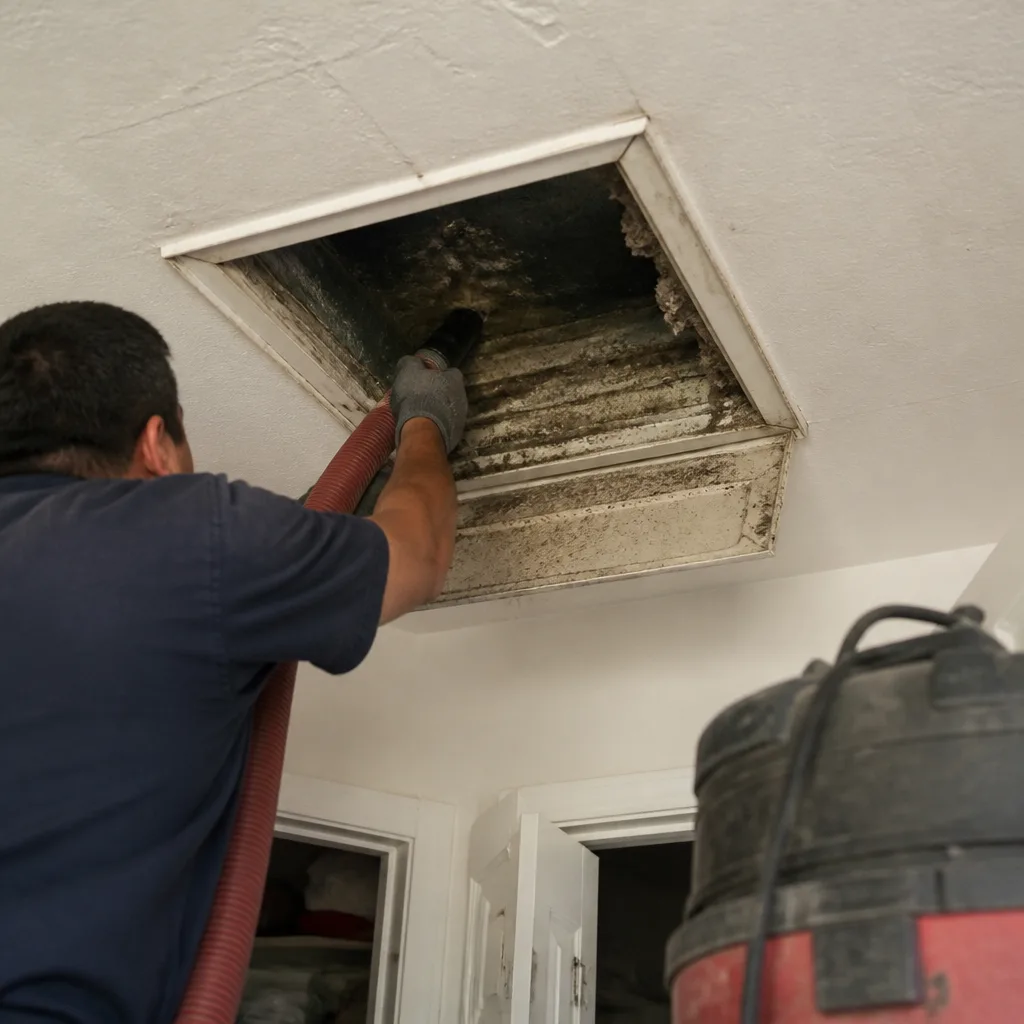 Before
 After
After