
Last updated October 15, 2026
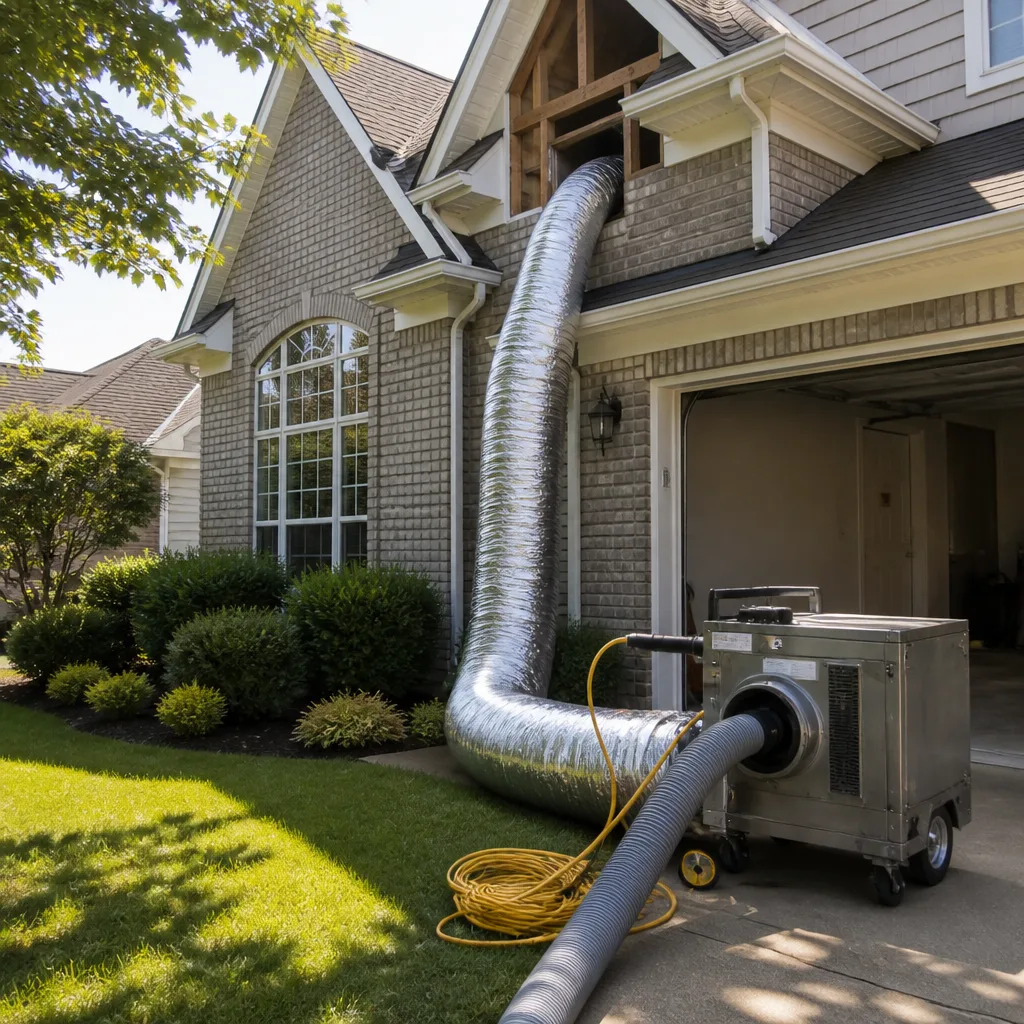 Whole-home duct cleaning
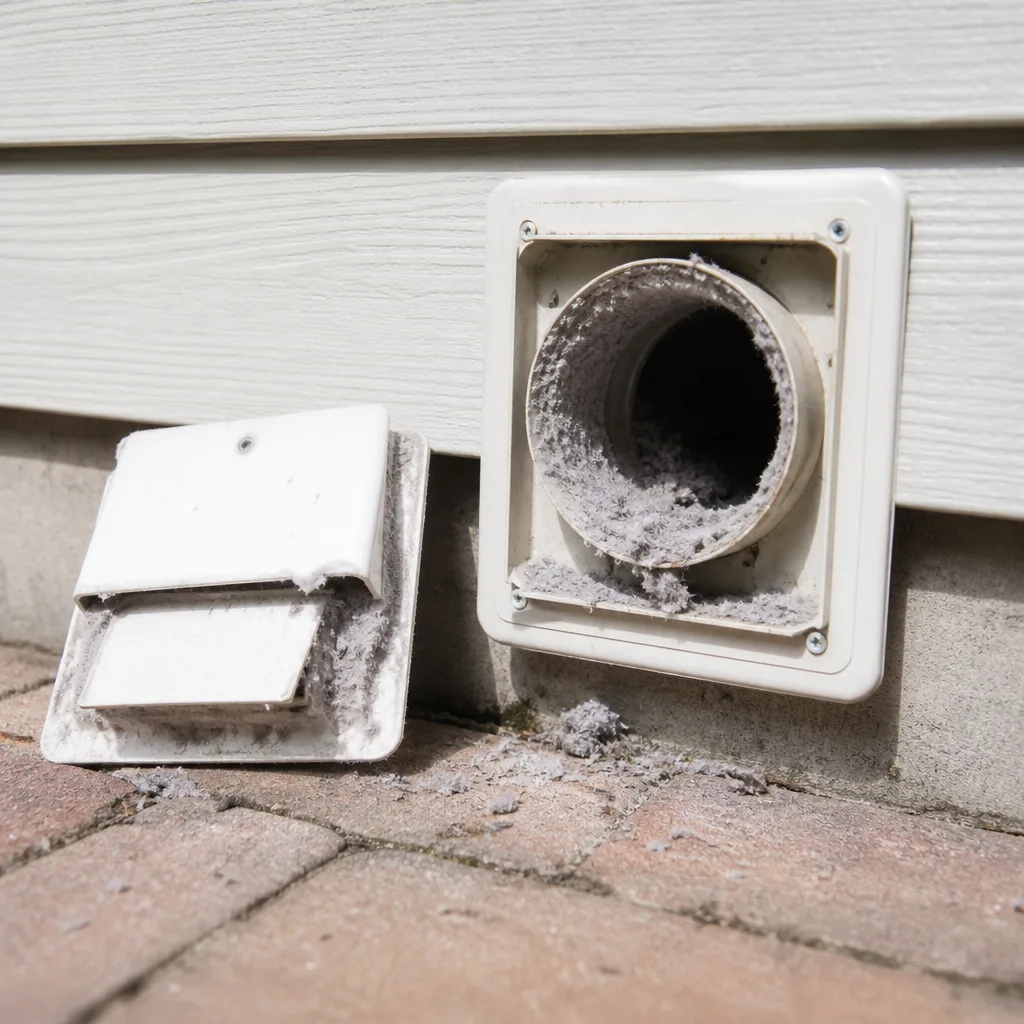 Dryer vent cleaning
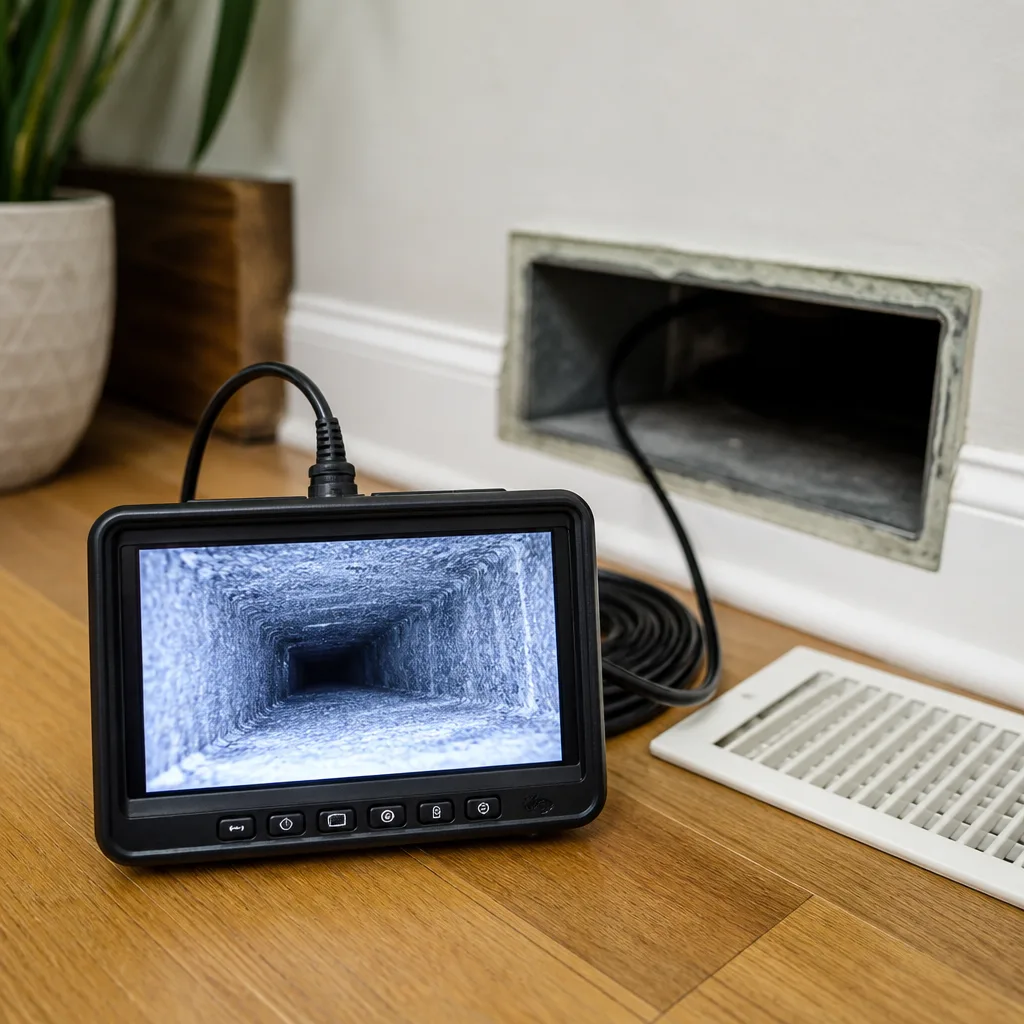 Camera inspection
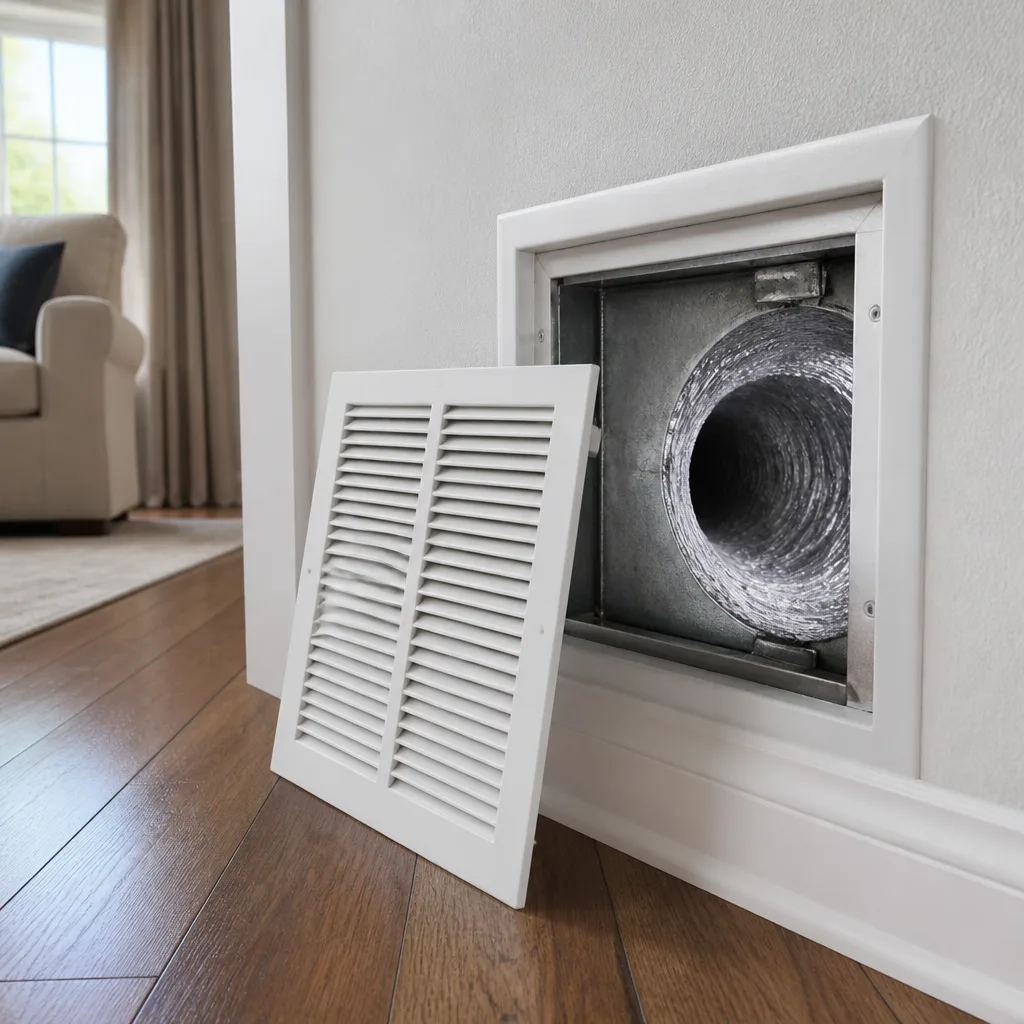 Sanitizing & deodorizing
Whole-system duct and dryer vent check with before-and-after photos - you see exactly what came out of your vents
That "$99 whole-house special" is a bait ad - the real number appears once they are in your hallway, or the "clean" is a shop-vac at the register. We photograph the inside of your ducts before and after instead.
Air Duct Cleaning Warning Signs: A San Antonio Homeowner’s Reference Guide
The most common thing we hear after finishing a cleaning isn’t “thank you.” It’s “we had no idea it was that bad.” And that’s the strange truth about air ducts in San Antonio: they don’t send you an alert when they’re dirty. They just quietly change how your house feels, smells, and costs to run, one layer of caliche dust at a time. This guide walks you through the warning signs that matter, the ones most homeowners brush off as normal Texas dust until our Air Duct Cleaning services reveal years of buildup behind the register cover.
Quick Answer
Air duct cleaning warning signs in San Antonio include a musty or dusty smell in the first minute after your AC starts, a dark greasy ring forming around register covers, visible dust returning to surfaces within days of cleaning, pets and kids showing allergy symptoms at specific times, and rooms that never quite match the thermostat setting. If you notice two or more of these together, your ducts have likely accumulated enough buildup to warrant a professional inspection, as explained in DIY vs Professional Air Duct Cleaning: The San Antonio Homeowner’s Decision Guide.
Styles & brands we work with
Table of Contents
- The First-Minute Smell Test
- What Your Register Covers Are Telling You
- Pet and Kid Signals That Show Up Before You Notice
- HVAC Performance Signals: Rooms, Cycles, and Bills
- Cleaning Need vs. Something More Serious
- How Often San Antonio Homes Actually Need This
- Common Mistakes to Avoid
- When to Call a Professional
The First-Minute Smell Test
Every HVAC system has a brief smell when it first kicks on. Here’s the trick: a clean system’s startup smell fades in less than a minute. A dirty system’s smell lingers or returns every time the blower cycles. That first 60 seconds after the fan starts moving is the most honest report your ducts will ever give you, because it’s the moment trapped air from inside the ducts is pushed into the room all at once.
Odor profiles and what they suggest:
- Musty or “old towel” smell: This almost always points to dust that has absorbed humidity. San Antonio’s summer moisture plus attic-level heat creates condensation cycles inside ductwork, and dust acts like a sponge for it. The smell is microbial growth feeding on trapped debris, even if you can’t see any mold.
- Dusty or “attic” smell: The most common odor we encounter on air duct cleaning jobs in San Antonio. It means years of skin cells, pet dander, and pulverized caliche dust have built up inside the trunk lines. The AC isn’t circulating clean air; it’s airing out an old carpet.
- Metallic or burnt smell: This is often a motor or blower issue rather than a duct issue, but it’s worth noting because restricted airflow from clogged coils and filters makes the blower work harder and run hotter. If the smell has a sharp edge like hot metal, have both the ducts and the unit checked.
- Sweet or chemical smell: This is the one smell that requires immediate attention. It can indicate a refrigerant leak or something in the duct material itself. Don’t try to diagnose this one yourself; call an HVAC professional and have the ducts inspected separately.
The smell test is free and takes a single minute. Do it tomorrow morning when the system kicks on for the first time. If you notice something that stays in your nose after you leave the room, that’s not normal Texas air. That’s trapped buildup announcing itself.
What Your Register Covers Are Telling You
San Antonio sits on a shallow band of limestone-rich soil that breaks down into a fine, pale powder called caliche. It’s not like regular house dust. It’s denser, grittier, and it clings to oily surfaces. That distinctive pale dust is a useful diagnostic tool if you know how to read it.
Normal surface dust on a register cover looks uniform and light. You wipe it off with a cloth and it’s gone. But when the inside of the duct boot is coated with buildup, the register cover develops a different signature: a dark, greasy-looking ring around the edges where air pressure pushes out through the seams. It’s not the same as the dust on your coffee table. It’s tacky to the touch, and it resists a dry wipe.
Here’s a quick visual test:
- Turn the system off for 30 minutes so no air is moving.
- Unscrew a register cover in a room you use daily, like the living room.
- Run your finger along the inside edge of the cover and the opening.
- If what comes off is dry and pale and wipes away easily, that’s environmental dust, mostly normal.
- If what comes off is dark, greasy, or clumpy, or if there’s a visible coating inside the boot, that’s recirculated buildup from deeper inside the system.
You can also check the return vent. Return grilles trap more visible debris because they pull air in. A return grille that’s clogged with hair, dust, and gray fuzz is reducing airflow even before you consider what’s downstream in the ductwork itself.
Pet and Kid Signals That Show Up Before You Notice
Adults develop a kind of sensory blindness to their own homes. We stop noticing the faint dust on the TV stand or the way the air smells slightly stale in the hallway. Kids and pets don’t have that blindness, and they often signal a problem weeks or months before you register it yourself.
What to watch for with pets:
- Sleeping location shifts: A dog or cat that used to sleep near a floor vent and then quietly relocates to the far corner of the room may be avoiding air being pushed out of a dirty duct. Animals are more sensitive to particulate irritants than we are.
- Paw licking or ear scratching after the AC kicks on: If your pet seems fine all evening and then starts licking paws or shaking their head when the blower cycles, it can be a response to allergens being blown into the room.
- Increased sneezing without a cold: Pets sneeze for environmental reasons too. A single vent pushing dust into a favorite napping spot can trigger it.
What to watch for with kids:
- Morning congestion that clears after school: If your child wakes up stuffy but improves by mid-morning at school, the sleep environment, not the child, may be the issue. Bedrooms are often the ducts with the least airflow and the most accumulated dust.
- Eye-rubbing or sneezing after playtime near a vent: Watch when it happens. If symptoms spike when the AC runs, that’s a pattern worth taking seriously.
- Allergy symptoms in one room but not another: This is one of the strongest signals we know. If your child is fine in the living room but gets sniffly in their bedroom, the duct branch serving that room is worth inspecting.
One thing we hear often from parents in San Antonio: they assumed their kid’s allergies were just Cedar Fever. And sometimes they are. The pollen seasons here are brutal. But when symptoms are worst indoors, at night, with the AC running, that points away from outdoor allergens and toward what’s coming out of the register.
HVAC Performance Signals: Rooms, Cycles, and Bills
Dirty ducts rarely announce themselves with a single dramatic event. Usually they show up as three quiet performance problems that seem unrelated at first, which is why so many homeowners in San Antonio rationalize them for months or years.
Inconsistent room temperatures: One bedroom is always five degrees warmer in August. Another bathroom is cold when it shouldn’t be. You adjust the thermostat and nothing changes. When air can’t flow freely through the branch line serving a room, that room will never reach the target temperature. The problem isn’t the thermostat or the unit. It’s resistance inside the duct itself. A buildup of debris inside a flex duct can reduce its interior diameter enough to starve a room of air.
Short cycling: The system kicks on, runs for a few minutes, shuts off, then starts again a few minutes later. Short cycling is a classic sign of restricted airflow. The blower pushes against a system that’s clogged downstream, and the unit shuts down to protect itself. It also accelerates wear on the compressor, which is an expensive repair you don’t want.
Energy bills that climbed without a rate change: Pull out the last two summers of CPS Energy bills and compare the same months. If your use went up noticeably and your habits haven’t changed meaningfully, decreased efficiency is the likely culprit. A system moving air through obstructed ductwork uses more energy to deliver less cooling. We see this pattern frequently on Morton’s Air Duct San Antonio home inspection jobs where a cleaning revealed years of unnoticed buildup.
All three of these point in the same direction: the ductwork is restricting airflow and the system is compensating for it. Cleaning removes that restriction. Sometimes dramatically.
Cleaning Need vs. Something More Serious
Not every warning sign means your ducts just need a cleaning. This is an important distinction that gets glossed over by companies that sell cleaning services. Some signs point to contamination of the duct material itself, which requires a different response.
Signs that point to a cleaning:
- Uniform gray or brown dust buildup inside accessible ducts
- Pet hair and dander accumulating on return grilles and interior surfaces
- Dust returning to furniture a few days after cleaning
- Mild musty smell when the system starts that fades within a minute
Signs that may point to something beyond cleaning:
- Visible mold growth: If you see fuzzy or spotted growth inside a register boot, or on the duct exterior, that’s a microbial issue. A cleaning removes debris but does not address the moisture source feeding the growth. You may need remediation and a fix for the underlying leak or humidity problem.
- Pest intrusion: Scratching sounds in the ducts, droppings near registers, or a sudden odor of urine or decay strongly suggests rodents or other animals have entered the duct system. This requires removal, sealing, and then a deep cleaning of the contaminated areas.
- Disconnected ductwork: A room that suddenly loses nearly all airflow may have a flex duct that has separated from the boot or trunk line. This is a repair issue, not a cleaning issue. In San Antonio, summer attic heat causes duct tape adhesive to fail and flex connections to sag and separate.
- Moisture at the register: Condensation dripping from a register indicates a humidity or drainage issue that will not be solved by cleaning alone.
In our experience, about three out of four warning-sign calls in San Antonio turn out to be conventional buildup. But the other quarter requires an honest conversation about moisture, pests, or disconnected runs first. A good technician will tell you the difference before any equipment comes inside.
How Often San Antonio Homes Actually Need This
The national guidance you’ll see on duct cleaning says every three to five years. That’s a reasonable baseline. But San Antonio isn’t a national average. Our specific combination of caliche dust, cedar pollen, long cooling seasons, and pets that spend half the year indoors means many homes here fall on the shorter end of that range.
Homes that may need cleaning every two years:
- Households with multiple shedding pets
- Homes near new construction, which kicks up significant caliche dust
- Homes with children who have diagnosed allergy or asthma conditions
- Homes in areas with heavy cedar or oak pollen during spring and fall
- Any home that has undergone renovation or drywall work
Homes that can usually go four to five years:
- Single or two-person households without pets
- Homes with high-efficiency filtration already installed
- Homes where filters are changed monthly during peak cooling season
- Homes with no carpeting and minimal fabric surfaces
One honest rule of thumb we use during dryer vent cleaning visits in San Antonio is this: if you don’t remember when the ducts were last cleaned, it’s been too long. The buildup doesn’t announce a schedule. You have to keep the schedule.
Common Mistakes to Avoid
- Cleaning registers instead of ducts: Wiping the visible cover makes you feel better and changes nothing about the air moving through the system. The cover is six inches of the problem. The trunk line is the rest of it.
- Relying only on the return filter: The standard 1-inch filter protects the equipment, not the air you breathe. Most particles fine enough to reach your lungs pass right through it. A dirty duct system downstream of the filter is still delivering that air to every room.
- Believing a cheap whole-house price: If a company quotes a San Antonio family home duct cleaning at ninety-nine dollars over the phone, the real invoice will be higher once they’re on the driveway. That is not skepticism; that is pattern recognition. Ask what the written price covers before anyone arrives.
- Ignoring one room because the rest of the house feels fine: Ducts are one connected system, but contamination can be localized. A bedroom with poor airflow and a musty smell may have isolated buildup or damage in its branch line. Fixing one branch is less expensive than waiting until it affects the whole system.
- Cleaning ducts to solve a mold problem: If there’s a moisture source, cleaning is temporary. The mold will return because the water returns. Find and fix the moisture first, then clean.
- Assuming a newer home has clean ducts: New construction is actually one of the most common sources of severe duct contamination. Drywall dust, sawdust, and construction debris end up in the duct system before the first owner ever turns the AC on. We have cleaned ducts in San Antonio homes under five years old that were filthier than 30-year-old systems.
- Putting it off because “it’s been fine so far”: Ducts don’t fail catastrophically. They degrade slowly. The bill for a cleaning is predictable. The bill for a compressor that died from years of restricted airflow is not.
When to Call a Professional
You don’t need to diagnose everything yourself. If you’ve noticed two or more of the warning signs in this guide, or if you simply can’t remember the last time your ducts were opened up, a professional inspection will give you a clear answer in under an hour. Watch for a technician who actually looks inside the ducts, not just at the filter or the blower. Mortons Air Duct San Antonio offers free estimates in San Antonio and we’ll tell you honestly whether a cleaning is warranted or whether the issue sits somewhere else. Call (903) 354-8393 to schedule a look. No pressure, no obligation. If the ducts are fine, we’ll tell you that and go.
See the difference
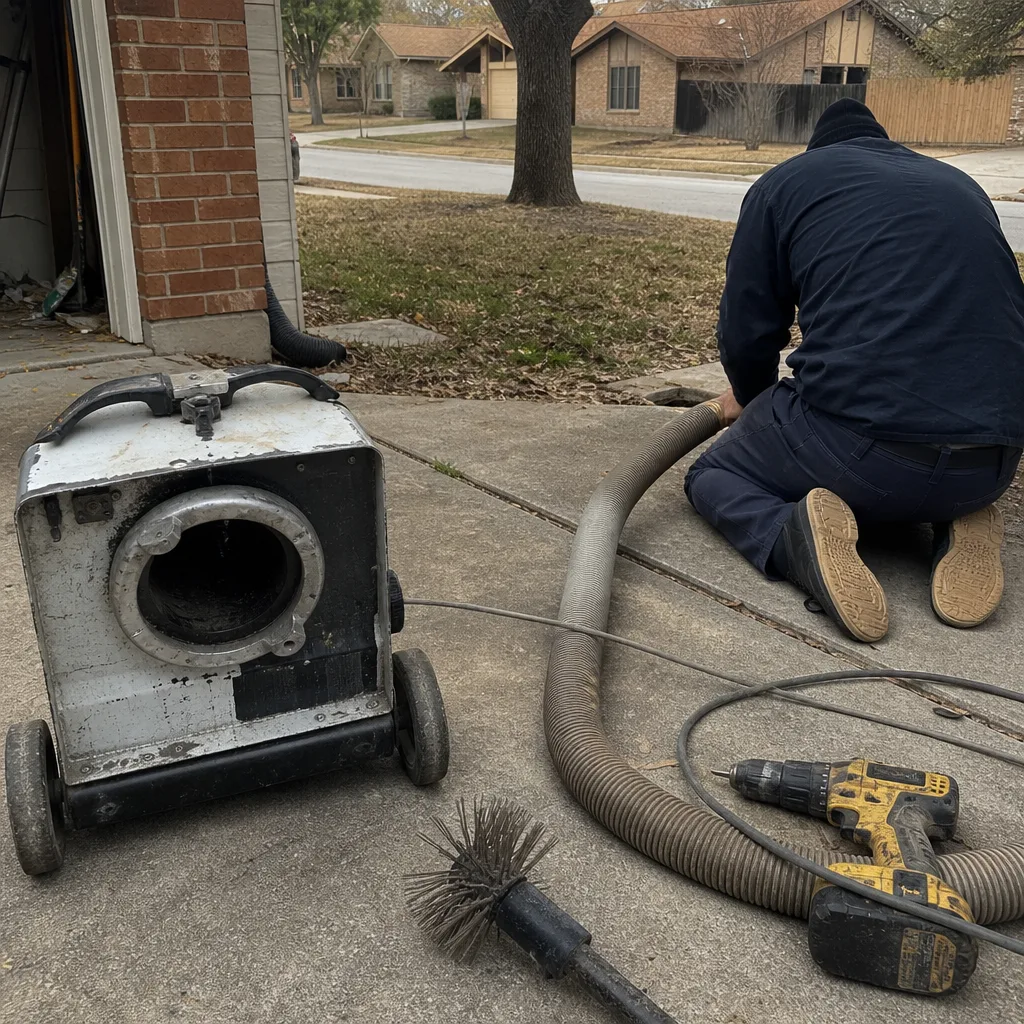 Before
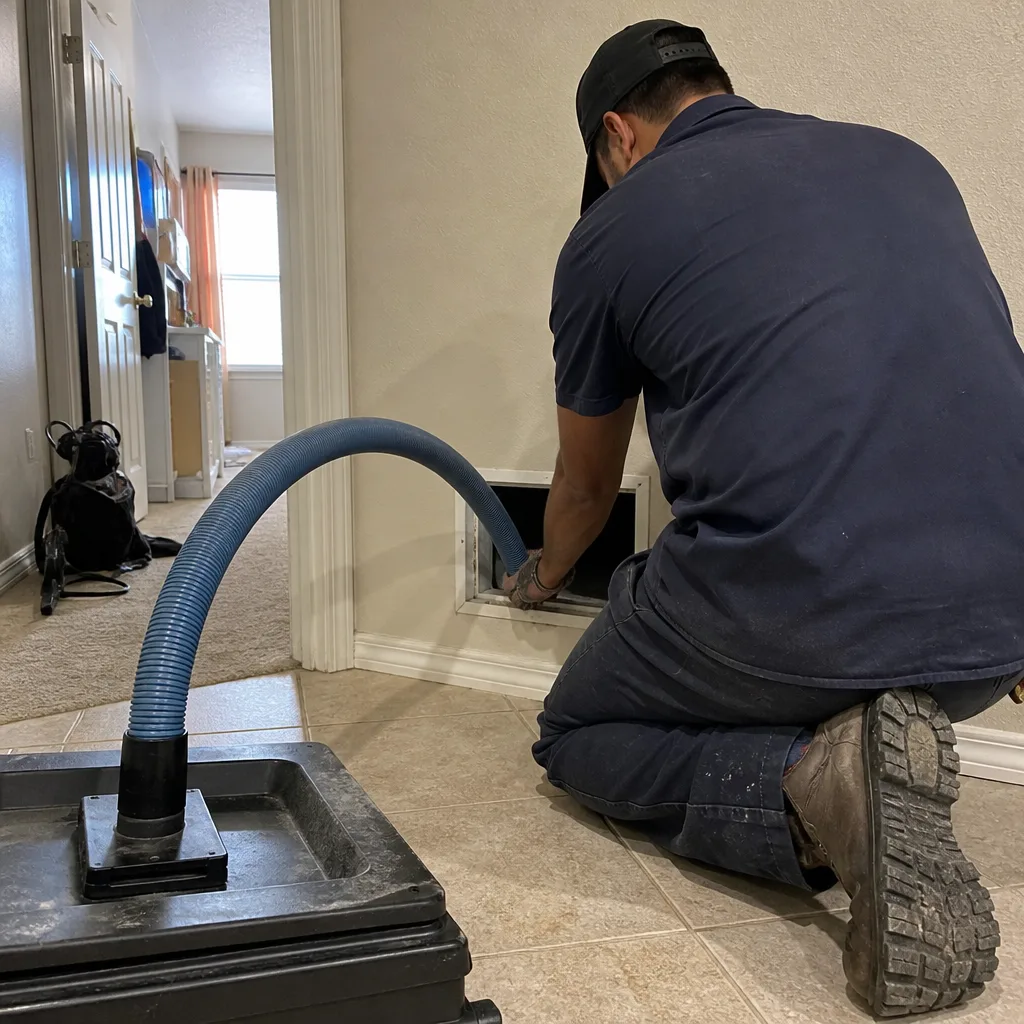 After
After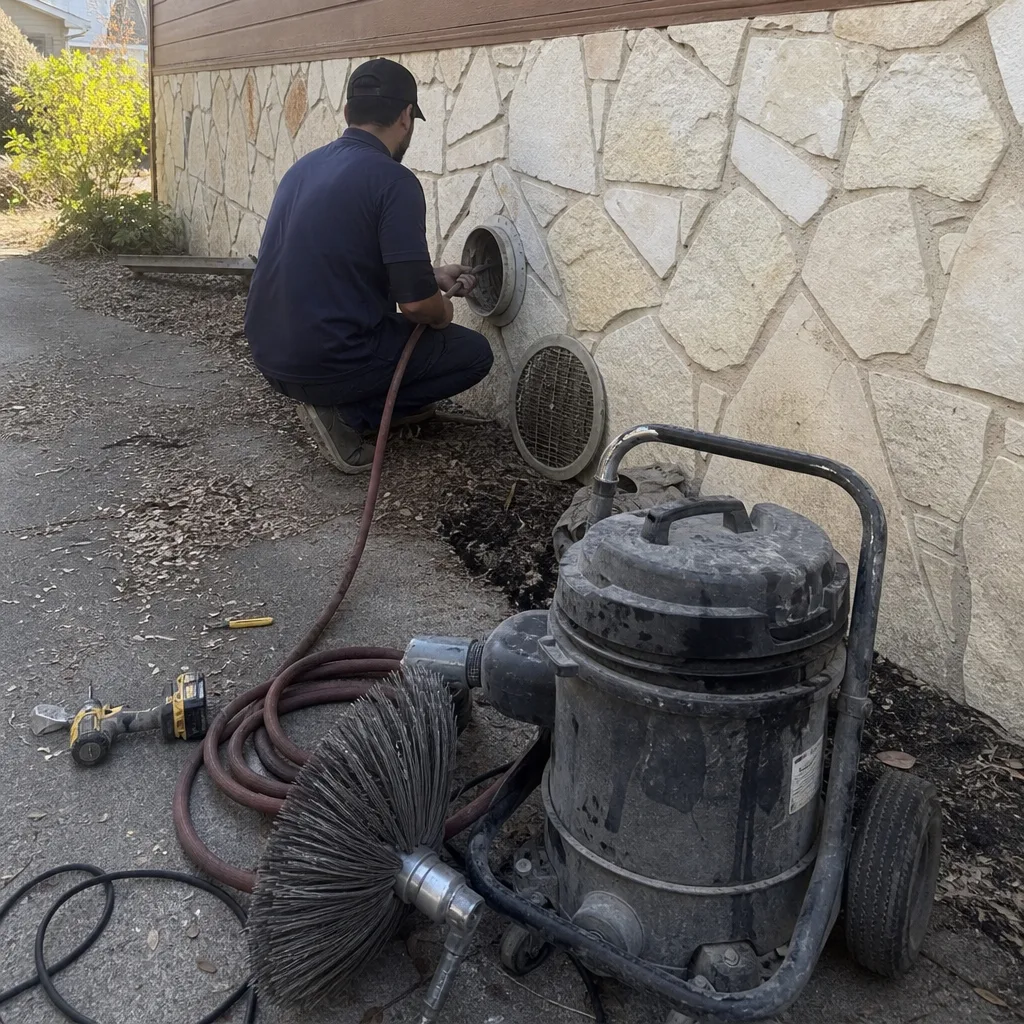 Before
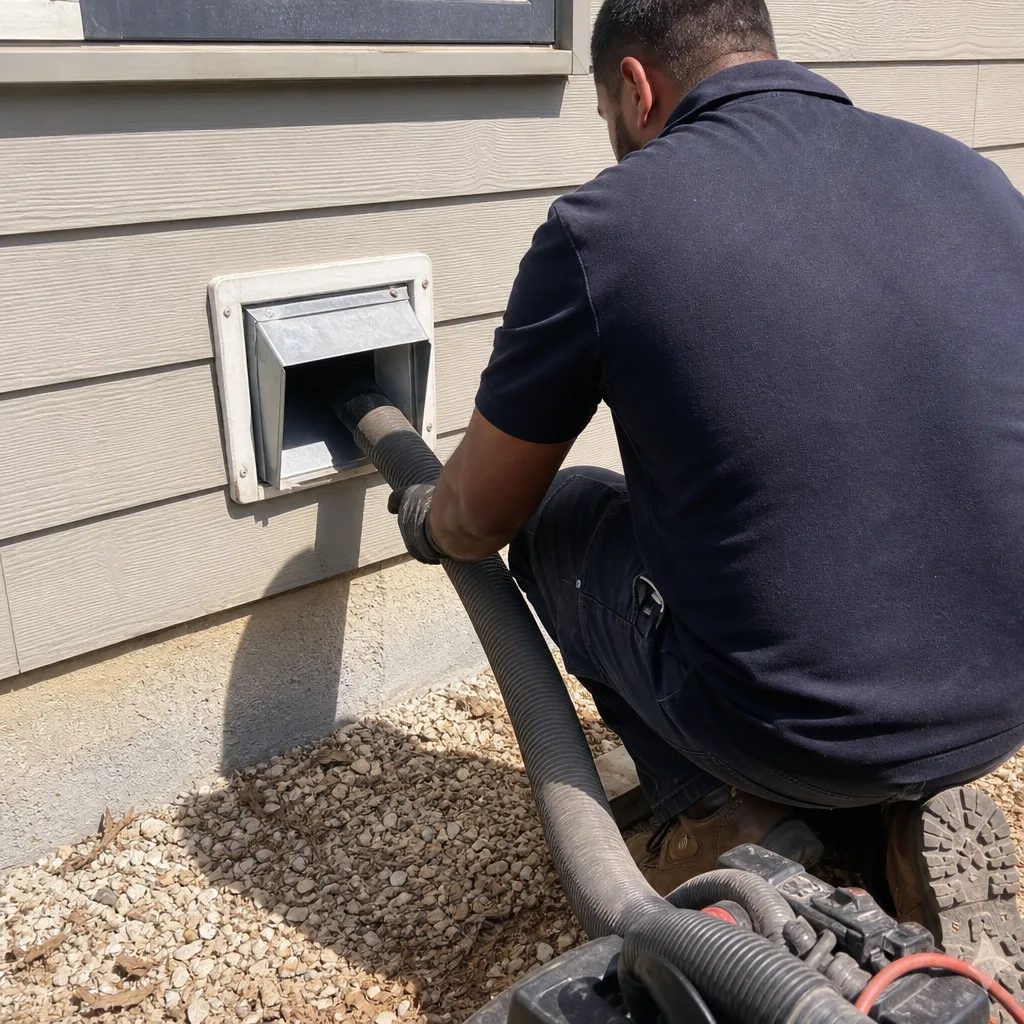 After
After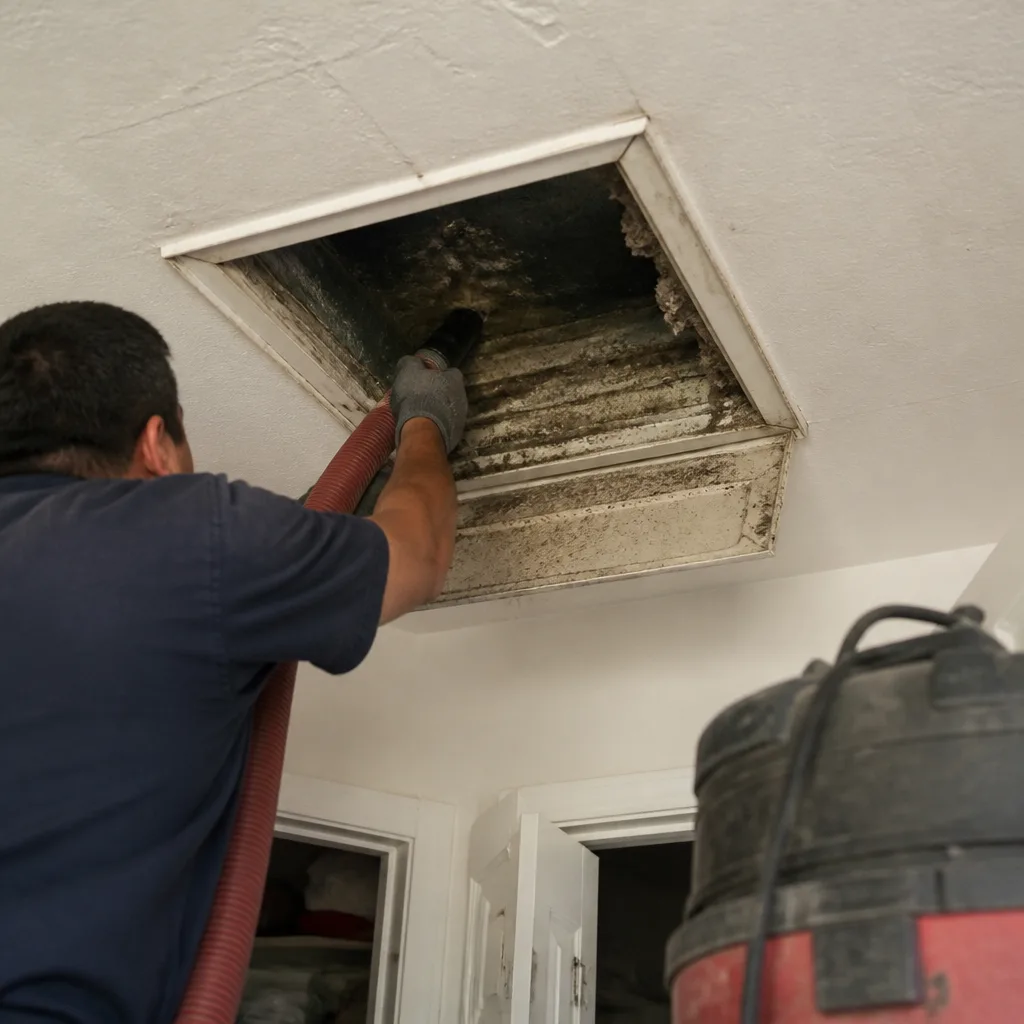 Before
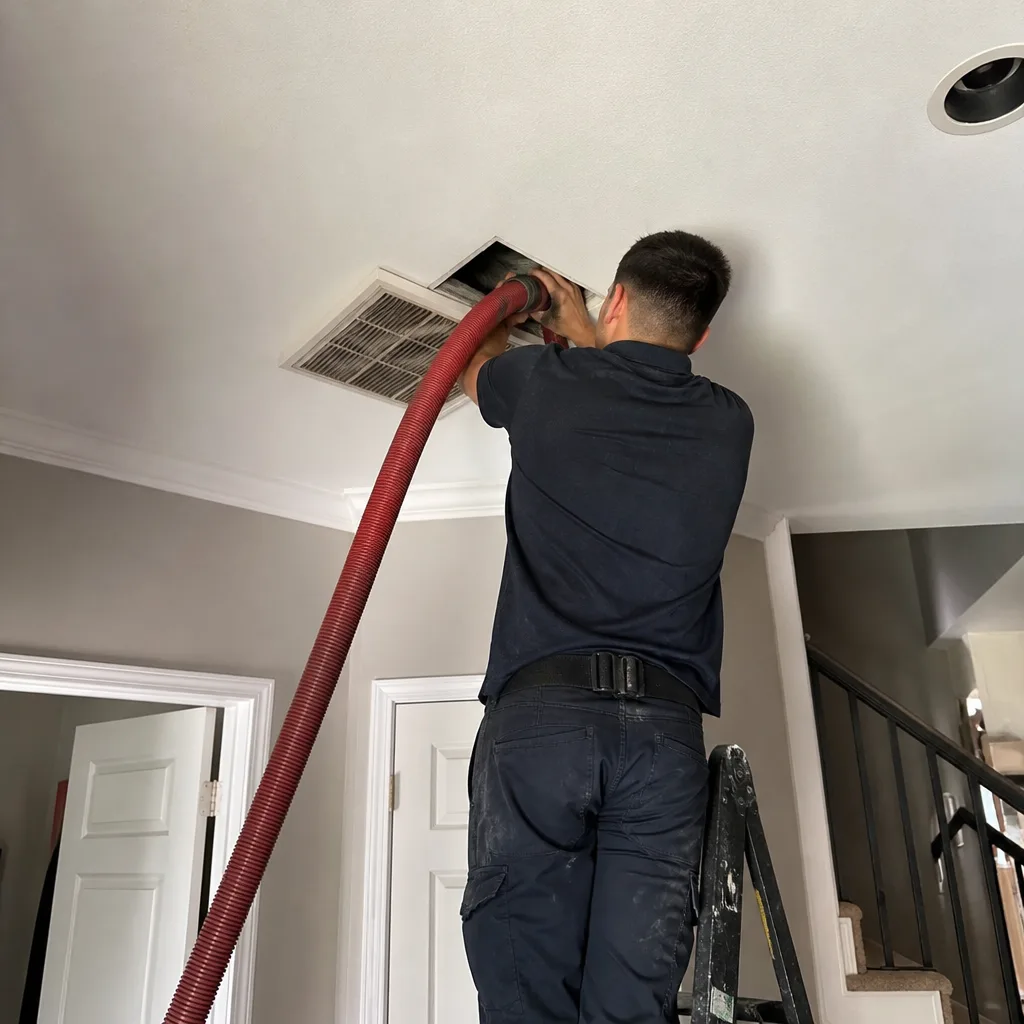 After
AfterFrequently Asked Questions
For a typical single-family home in San Antonio, a whole-system cleaning usually runs between $400 and $800 depending on the number of systems, the size of the house, and how heavily the ducts are soiled. Multi-system homes or larger square footage run higher. We provide a written price before any work starts, so you know the exact number before anyone carries a hose inside. Call (903) 354-8393 for a free estimate on your specific home.
Companies that advertise very low prices are usually quoting a partial service or a teaser rate that grows once the technician is on site. A legitimate whole-home cleaning requires professional equipment from brands like Rotobrush or Abatement Technologies, enough time to actually clean every branch line, and a technician who is paid fairly for the work. If a price seems too low to support that, it probably doesn’t include that. Always ask for a written quote that states exactly what is included before the crew arrives. Our written price for air duct cleaning in San Antonio covers the full system, every register, and every return, and it does not change once we start.
You should receive visual evidence. We take photos of the inside of the ducts before and after cleaning, and we take a photo of the clean-up before the crew leaves. If a company won’t show you the inside of your own ducts after the job, that’s not a company you want doing the work. A legitimate cleaning produces visible, documentable results.
A cleaning removes built-up debris from the duct system using professional agitation and vacuum equipment. An inspection is a visual assessment of the ductwork’s condition, looking for leaks, disconnections, moisture problems, and contamination. A good professional inspection happens before a cleaning, so you understand what’s in the ducts and what the cleaning will address. If someone tries to sell you a cleaning without first looking inside the ducts, you should ask why.
Many San Antonio homeowners report reduced indoor allergy symptoms after a thorough cleaning, particularly if their ducts carried years of pollen, dust, and pet dander. It’s not a medical treatment, and it doesn’t eliminate outdoor allergens like cedar pollen that enter the house through doors and windows. But it does remove a significant indoor reservoir of the same particles that cycle through the system every time the blower runs. Families with children who have allergy or asthma conditions often notice the difference most in bedrooms.
A typical single-family home in San Antonio takes three to five hours for a complete cleaning with professional equipment. Two-story homes or homes with multiple systems can take most of a day. We use equipment from brands like Rotobrush and Nikro, which allows us to clean the full length of every duct run without cutting access holes or making a mess. Shoe covers and drop cloths go down before any equipment enters the home, and we leave the house as clean as we found it.
The Bottom Line
Most of the warning signs that your San Antonio home’s ducts need attention are quiet and cumulative, not dramatic. For more guides & resources on maintaining healthy indoor air, explore our blog. A musty smell in the first minute of AC startup, a dark ring around a register cover, pets avoiding a favorite vent, kids sneezing in one room but not another, and rooms that never match the thermostat are all early signals from a system that’s struggling against its own buildup. You don’t have to wait for a repair bill to act. A professional inspection costs nothing at Mortons Air Duct San Antonio, and it gives you a clear answer about what’s in your ducts and whether it matters. Call (903) 354-8393 to schedule yours.
Written by Paul Adeyemi, Owner at Mortons Air Duct San Antonio, serving San Antonio since 2005.