
Last updated October 15, 2026
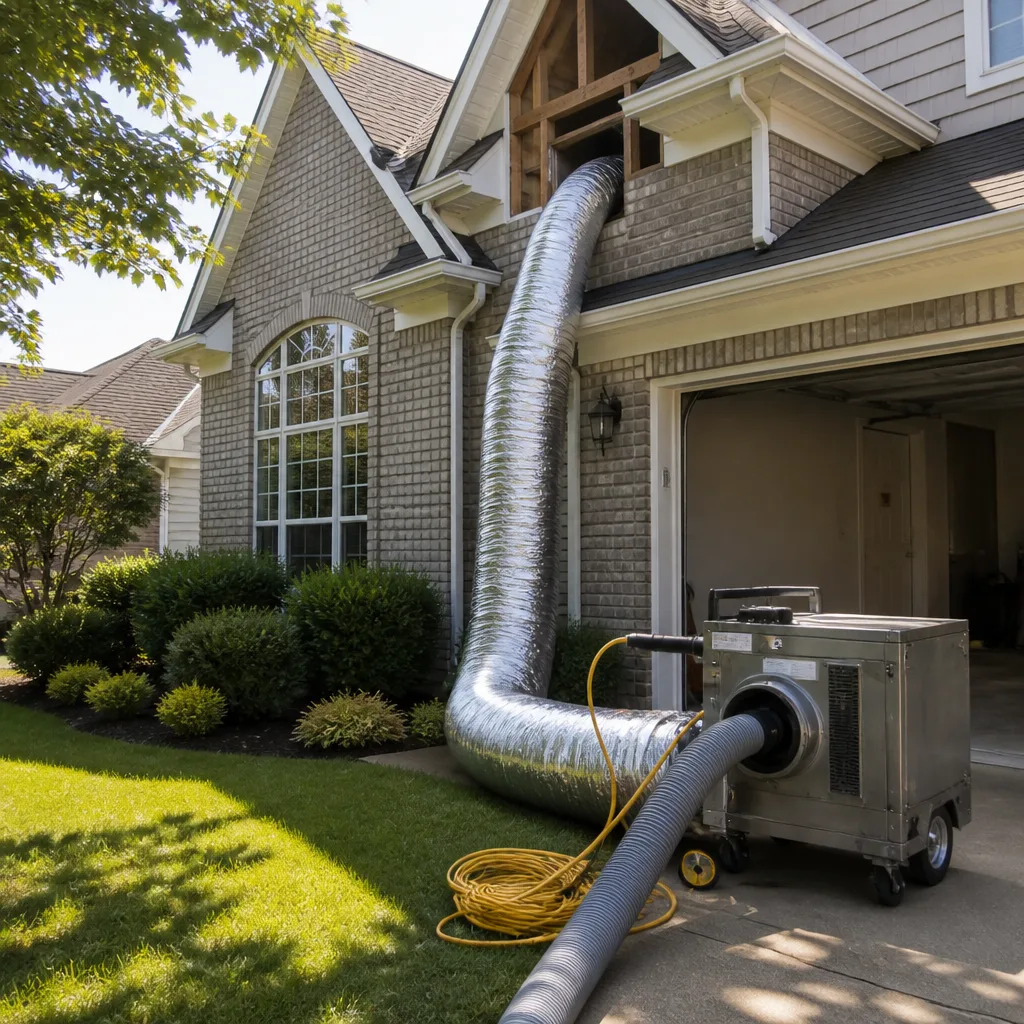 Whole-home duct cleaning
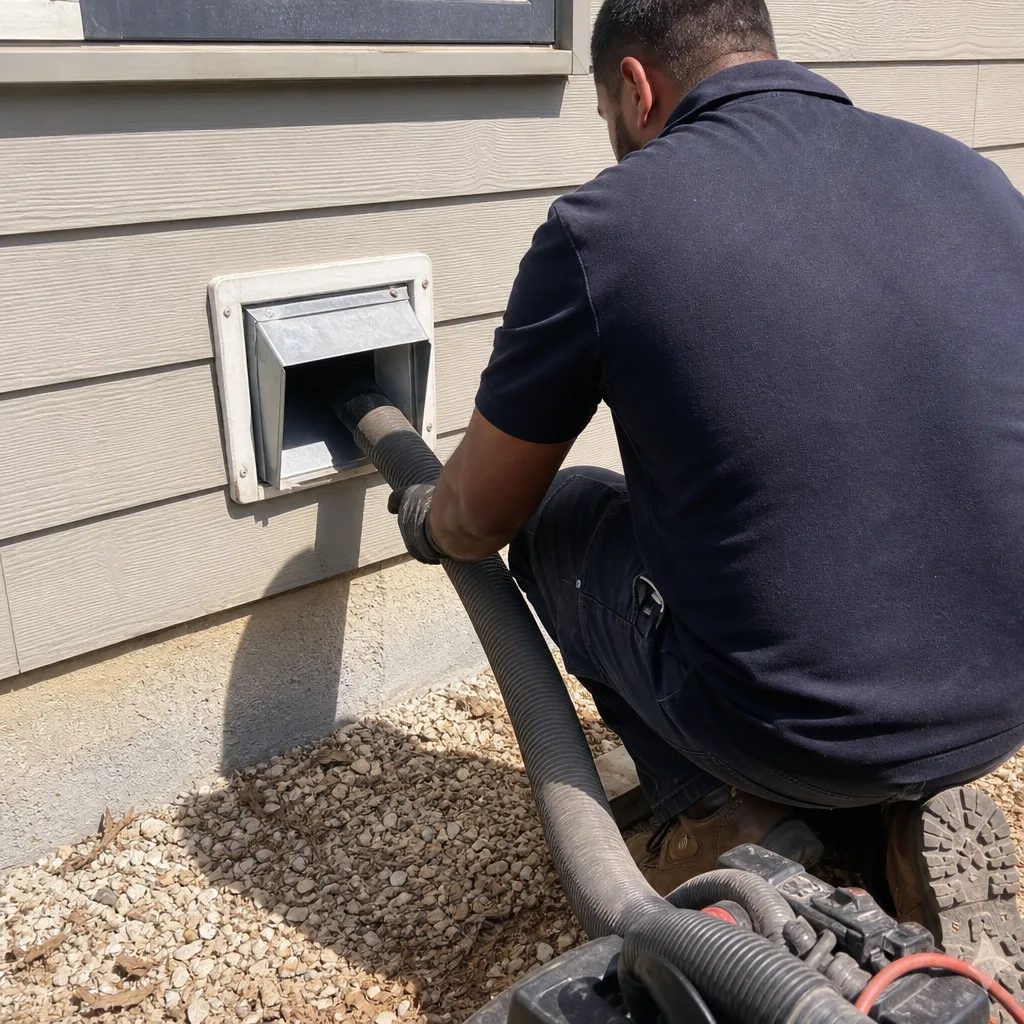
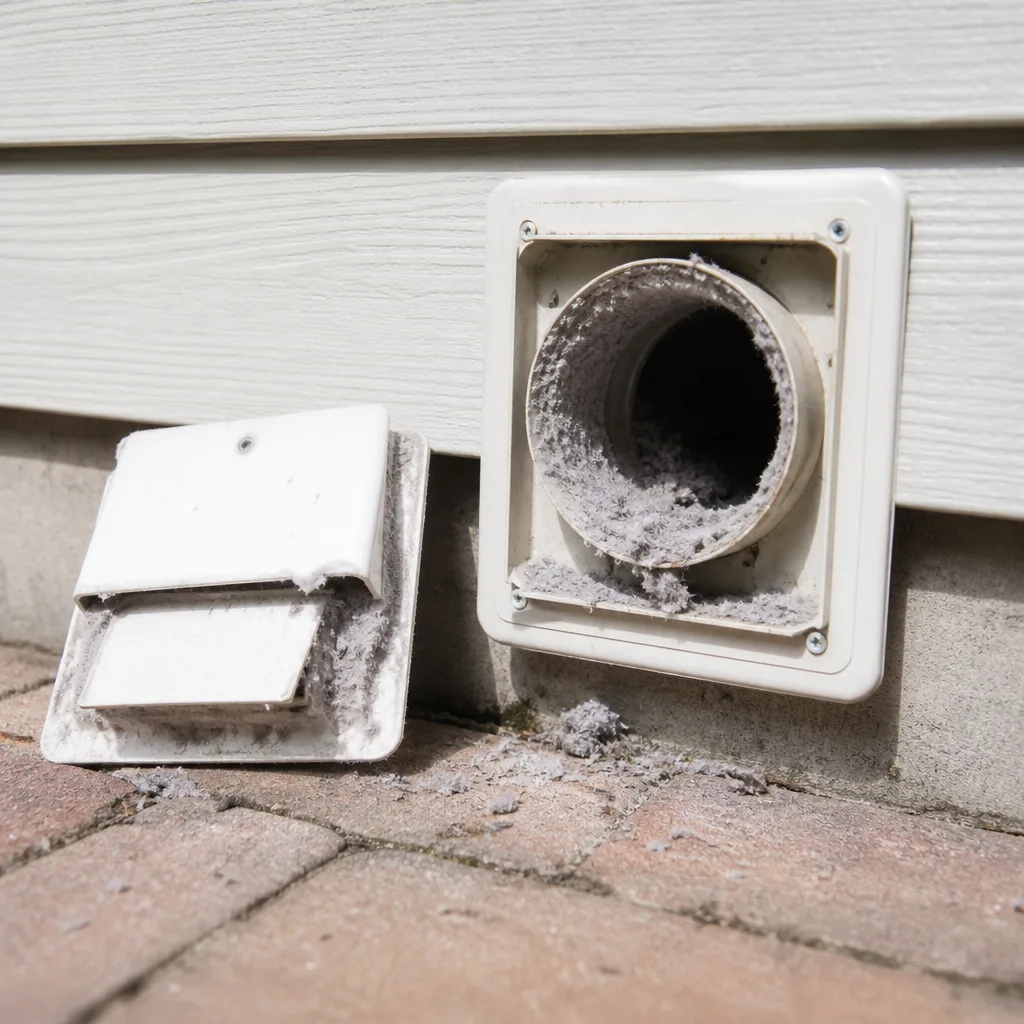 Dryer vent cleaning
 Camera inspection
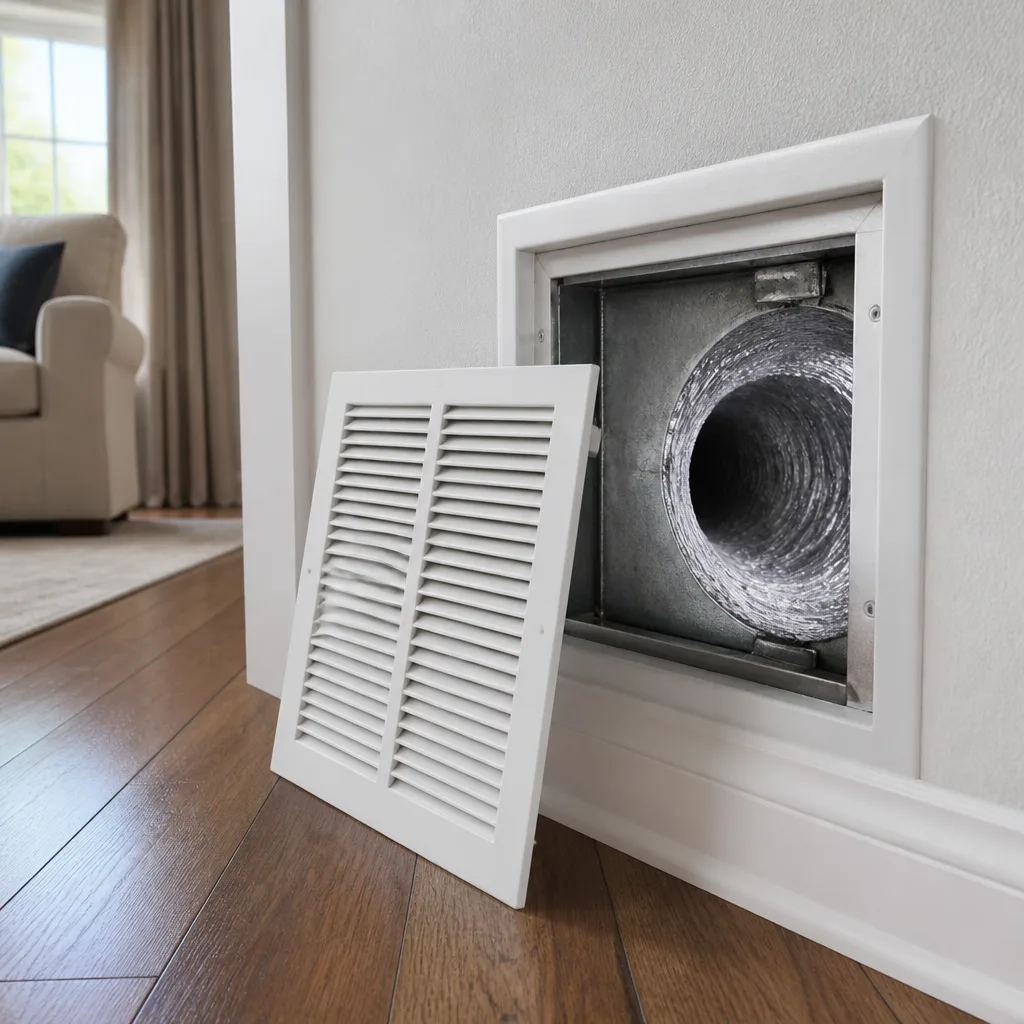 Sanitizing & deodorizing
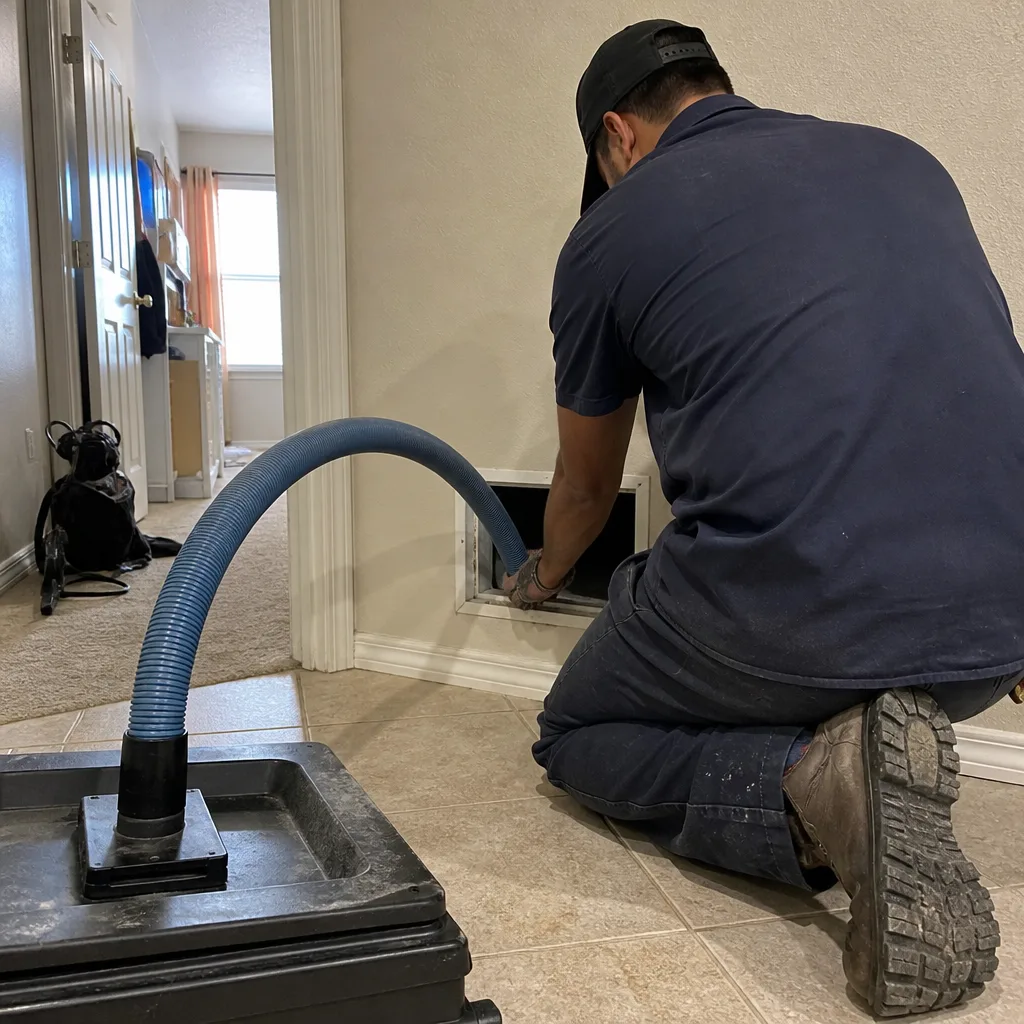
Whole-system duct and dryer vent check with before-and-after photos - you see exactly what came out of your vents
That "$99 whole-house special" is a bait ad - the real number appears once they are in your hallway, or the "clean" is a shop-vac at the register. We photograph the inside of your ducts before and after instead.
Seasonal Air Duct Cleaning Care for San Antonio: Year-Round Homeowner’s Guide
Most air duct cleaning guides are written for places with four real seasons. San Antonio doesn’t work that way. Here, we run our heat for maybe six weeks, our AC for close to nine months, and in between, mountain cedar dumps one of the heaviest pollen loads in the entire country straight into the return-air intakes pulling air through your home. This guide maps duct care to the actual calendar of San Antonio weather, construction styles, and allergens. You’ll learn when duct cleaning matters most, what to do before cedar peaks, how a year-round system changes the math on frequency, and why older San Antonio homes need attention in places newer construction doesn’t.
Styles & brands we work with
Quick Answer
In San Antonio, the most important duct care window is November, just before mountain cedar season peaks from December through February. Homeowners with allergy sufferers, pets, or kids should plan professional Air Duct Cleaning every 2 to 4 years, with a visual inspection and filter change every 60 to 90 days. Homes with floor-level or exterior-wall return grilles common in older San Antonio construction need more frequent attention because they pull in more outdoor dust, pollen, and humidity than ceiling returns.
Table of Contents
- The Real San Antonio HVAC Calendar
- Why Cedar Season (December – February) Is the Critical Duct Care Window
- Year-Round Systems: Why San Antonio Ducts Fill Faster Than Northern Homes
- Exterior and Floor Return Grilles: The Older San Antonio Home Factor
- Rain, Humidity, and Mold: What to Do After Big Weather
- A Seasonal Duct Care Checklist for Every San Antonio Home
- How Often Should You Really Clean Your Ducts in San Antonio?
- Common Mistakes to Avoid
- When to Call a Professional
- Frequently Asked Questions
- The Bottom Line
The Real San Antonio HVAC Calendar
Forget the four-season template. San Antonio runs on a two-season HVAC rhythm with two short shoulder periods. Understanding that rhythm is the foundation of any sensible duct care plan for this city.
The cooling season stretches from roughly March through October. The heating season is a narrow window from mid-December to late January, sometimes shorter. That means your air handler, blower motor, and ductwork see near-constant operation for about ten months of the year. The system rarely gets a true rest, which means dust, pet dander, and pollen never really stop moving through it.
Here’s what the actual San Antonio calendar looks like for duct health:
- November – Early December: The critical prep window before cedar pollen peaks. Filter replacement, return grille cleaning, and scheduling professional Air Duct Cleaning in San Antonio if you’re due.
- Late December – February: Cedar season. Highest pollen load of the year. Change filters every 30 – 45 days if anyone in the home has allergies. Vacuum return grilles weekly.
- March – April: Shoulder season. Good time for inspection after cedar season ends and before the AC load cranks up. Oak pollen peaks in March and April too.
- May – September: Peak cooling. The system runs hardest. Dust accumulation accelerates. Summer thunderstorms bring humidity spikes.
- October: Second shoulder. The prep window before cedar returns. A good time for dryer vent cleaning before winter drying loads increase.
In our experience cleaning ducts across San Antonio since 2005, homes here show a distinct seasonal pattern in what we pull from ductwork. November jobs produce heavy pollen and construction dust. April jobs produce dust from months of continuous blower operation. The material tells the story of the season.
Why Cedar Season (December – February) Is the Critical Duct Care Window
Mountain cedar, or Ashe juniper, is the defining allergy event of Central Texas. From December through February, the Texas Hill Country releases some of the highest airborne pollen concentrations measured anywhere in the United States. The trees don’t need rain or wind to trigger release; a sunny day with a slight breeze after a cold front is enough to push pollen counts into the tens of thousands of grains per cubic meter.
Here’s why that matters for your ducts specifically. During cedar season, your HVAC system may run in heating mode, but the fan is still moving air through the same return vents and duct runs. Every bit of cedar pollen that enters your home through doors, windows, shoes, and clothing can get pulled into the return-air stream. What doesn’t get caught by your filter settles inside the ductwork. Then, when the system kicks on again, it redistributes yesterday’s pollen back into the air you’re breathing.
What to do before cedar season peaks, ideally in November:
- Replace the HVAC filter with a clean, high-MERV pleated filter. Check the manufacturer’s recommendation for your specific unit; not every system handles a MERV 13 filter well.
- Vacuum all return grilles and registers. Use a brush attachment on the grille itself and reach into the visible duct opening with a hose extension.
- Check weather stripping on exterior doors and windows. Reducing outdoor air infiltration means less pollen entering the home in the first place.
- Schedule a duct inspection if it’s been more than three years since the last cleaning. Cedar-season allergy sufferers feel the difference from clean ducts within days.
- Consider Dryer Vent Cleaning in San Antonio before winter laundry habits kick in. Winter clothes are heavier, dryers run longer, and a clogged vent compounds indoor air issues during a season when windows stay closed.
For allergy households in San Antonio, the November prep window does more to improve indoor air quality through the winter than any other single action you can take. The goal is simple: keep the pollen load inside the ducts as low as possible before the outdoor pollen count explodes.
Year-Round Systems: Why San Antonio Ducts Fill Faster Than Northern Homes
Homes in Minneapolis or Chicago run their furnaces hard for five months, then give the system a genuine break in spring and fall. San Antonio homes don’t get that break. The blower motor runs almost constantly from March through November for cooling, then again through the brief winter for heating. That continuous operation means two things. First, more air volume moves through the ducts each year than in a seasonal climate. Second, more total particulate matter gets carried through, and a percentage of it will always deposit along duct walls, bends, and register boxes.
We’ve pulled apart systems in San Antonio where the accumulation pattern was unmistakable. The return side, especially the main return trunk and any floor-level grille boxes, held gray, compacted dust mixed with pet hair and pollen. The supply side showed lighter accumulation, mostly fine dust that settled during off cycles.
What this means for cleaning frequency is straightforward. A household in a temperate climate might go five to seven years between cleanings and be fine. A San Antonio household with two dogs and a cat running the system year-round should think more like two to three years. Add allergy sufferers or young children to the picture, and the two-year mark becomes the safer target.
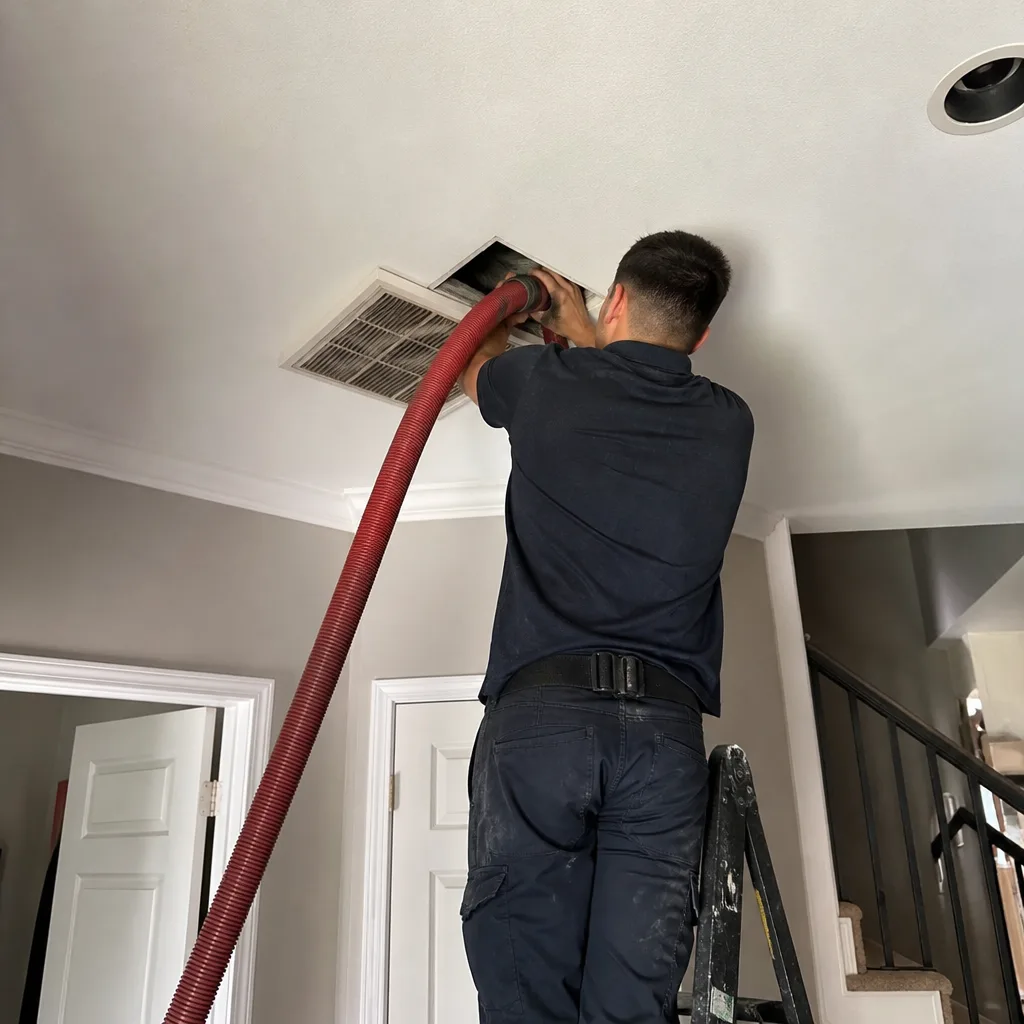
The equipment we use matters in this city’s climate. Rotobrush and Nikro systems provide the agitation and extraction power needed to break loose the compacted dust common to year-round systems, rather than just loosening the surface layer. A visual inspection camera documents what’s actually inside before and after, which matters when you can’t see into your own ductwork.
Exterior and Floor Return Grilles: The Older San Antonio Home Factor
Older San Antonio homes, especially those built before the 1980s, often have return-air grilles installed in exterior walls or in the floor rather than in the ceiling. If your home is in Alamo Heights, Monte Vista, Jefferson, or any of the city’s older neighborhoods, you may have seen these: decorative metal grilles low on the wall, sometimes in a hallway or on an interior wall facing an exterior room. They’re easy to ignore. They also pull in a different profile of contamination than ceiling returns.
Exterior-wall returns sit close to the ground, which means they draw in higher concentrations of dust, pet dander, and heavier pollen grains. In San Antonio’s climate, they also draw in more humidity during the muggy season. Floor returns are even more exposed, collecting everything that settles on the floor: tracked-in dirt, fine construction dust from nearby remodels, pet hair, and in some homes, a surprising amount of fine grit from the limestone-heavy soil around the city.
What to check on these older-style returns:
- Inspect the grille and the visible duct opening monthly. Use a flashlight and look for accumulated dust, pet hair, or visible debris at the opening.
- Vacuum the grille face and the first few inches of the duct each month, more often if you have shedding pets.
- Check for moisture staining around the grille or the surrounding wall, especially after heavy rain. Exterior-wall returns can develop condensation issues in San Antonio’s humidity.
- If the grille sits in a hallway with heavy foot traffic, it’s pulling in everything tracked through that space. Consider placing a thin, removable mat a few feet away to catch some of that material before it reaches the return.
Homes with these older return layouts simply need more frequent attention than newer homes with ceiling returns. The ductwork itself can also hold more debris, which means cleaning may be due sooner. When we work in older San Antonio homes, we see this pattern consistently: the return side carries two to three times the debris load of a comparable newer home with ceiling returns.
Rain, Humidity, and Mold: What to Do After Big Weather
San Antonio gets most of its annual rainfall in two surges: the spring storms of April and May, and the occasional tropical-system remnants that can bring heavy rain in summer and early fall. After either, the relative humidity inside a home can spike, especially in rooms that don’t get daily airflow. That matters for ducts because humid indoor air cools inside the ductwork, and when warm, humid air meets a cooler surface, condensation forms. Condensation plus organic dust equals conditions favorable for mold growth.
After any significant rain event or extended humid spell, do this:
- Run the system in fan-only mode for a few hours to dry out the ducts and evaporator coil.
- Inspect all visible return grilles and supply registers for moisture staining or musty odor.
- Check rarely used rooms and zones, especially those with closed vents or doors. Stagnant air in those spaces is where moisture problems begin.
- If you smell a persistent musty odor when the system runs, don’t mask it with sprays. That odor can indicate mold growth in the ductwork, the evaporator coil, or the drain pan. It’s worth a professional inspection.
- Verify the condensate drain line is draining freely. If the drain pan fills, standing water inside the air handler creates the perfect environment for biological growth that can affect the entire duct system.
The good news is that San Antonio’s climate is not a high-mold-risk climate most of the year. Our dry winters and the constant airflow of a running AC system work in your favor. The risk comes in those transition weeks when the AC isn’t running hard yet but outdoor humidity is already rising. That’s when attention matters.
A Seasonal Duct Care Checklist for Every San Antonio Home
Here’s a month-by-month reference you can save. It reflects the actual rhythm of San Antonio, not a generic national template.
November: Before Cedar Season
- Replace the HVAC filter with a fresh, high-MERV pleated filter.
- Vacuum all return grilles and supply registers.
- Schedule air duct cleaning if it’s been 2 – 4 years since the last service.
- Check weather stripping on exterior doors and windows.
December – February: Peak Cedar Season
- Change the filter every 30 – 45 days. Cedar pollen clogs filters faster than anything else in San Antonio.
- Vacuum return grilles weekly.
- Run the system in fan-only mode for 30 minutes daily if allergies are severe. This keeps air moving through the filter even when heating or cooling isn’t needed.
- Watch for visible pollen dust settling on furniture near registers. This indicates the filter is overwhelmed or the ductwork is releasing trapped pollen.
March – April: Oak Pollen and Shoulder Season
- Change the filter. Oak pollen peaks in March and April in San Antonio.
- Inspect the system after cedar season ends. Schedule a cleaning if the November prep revealed heavy accumulation.
- Clean the condenser unit outside. Winter debris and pollen can clog the outdoor coil and reduce system efficiency before summer.
May – September: Peak Cooling
- Change the filter every 60 – 90 days, more often with pets.
- Check the condensate drain line monthly. Summer humidity means more water moving through the system.
- After heavy summer storms, run the fan-only mode for a few hours and check for any musty odor.
- Keep supply registers open and unblocked, even in rooms you rarely use. Closed registers create pressure imbalances that pull unconditioned outdoor air into the home.
October: Second Shoulder, Pre-Cedar Reset
- Schedule any duct or dryer vent cleaning that was deferred earlier in the year.
- Inspect return grilles and duct openings with a flashlight.
- Replace the filter one more time before cedar season begins.
How Often Should You Really Clean Your Ducts in San Antonio?
The honest answer depends on your household, but here are the ranges we use when advising San Antonio homeowners. Air Duct Cleaning Cost Breakdown: The San Antonio Homeowner’s Reference for 2026 - for a typical San Antonio home, expect roughly $400 to $900 for a full system, depending on home size, number of systems, and the type of ductwork. That’s a realistic whole-system range, not a per-vent teaser price.
- Single adult or couple, no pets, newer home with ceiling returns: Every 4 – 5 years.
- Family with kids, one pet, newer home: Every 3 – 4 years.
- Family with kids, multiple shedding pets: Every 2 – 3 years.
- Family with allergy or asthma sufferers, regardless of pets: Every 2 – 3 years, with a November schedule to precede cedar season.
- Older home with floor or exterior-wall returns: Shorten any of the above by one year.
- After major renovation or construction work in the home: Clean once before moving back in or immediately after the project wraps.
One thing we tell every homeowner in San Antonio: don’t let a cheap coupon decide your timing. The industry’s worst reputation comes from bait-pricing where a low per-vent rate becomes a large final invoice after the technician “finds” additional work. At Mortons Air Duct San Antonio, every job starts with a written price for the entire system before any equipment comes off the truck. You’ll know the full cost of the clean before it begins, not after. That’s how it should work, and it’s one reason our 365-Day Done Right Promise isn’t something we print on a brochure; it’s stamped on every job we complete.
Common Mistakes to Avoid
- Waiting until cedar season is already underway to think about ducts. The time to prepare is November. Once pollen counts peak in December, anything already in the ducts gets stirred back into the air every time the system runs. November prep reduces the total indoor pollen load for the entire season.
- Using the cheapest, thinnest filter available and changing it twice a year. In a year-round-run San Antonio home, a cheap fiberglass filter does very little and clogs quickly. Use a pleated filter with a real MERV rating, and change it on the schedule above.
- Closing vents in unused rooms to save energy. It seems sensible, but closed supply registers create pressure imbalances that reduce system efficiency and pull unconditioned, unfiltered outdoor air into the home through every crack and gap. Your ducts were designed for a balanced system.
- Assuming the exterior condenser unit is the only thing that needs seasonal attention. The outdoor unit gets the visible attention because it’s what contractors touch. The indoor half, including the coil, blower, and ducts, is where the air you actually breathe moves through.
- Ignoring the dryer vent while focusing on the AC ducts. Dryer vents in San Antonio homes clog with lint, and during winter, dryers run longer with heavier clothes loads. A clogged vent is a fire risk and makes the dryer work harder. It’s part of the same indoor air system.
- Trusting a coupon price without seeing a written whole-system quote. If a quoted price is per vent, walk away. You want one flat price for the entire system, agreed to in writing before work starts. Every time.
When to Call a Professional
You can handle filter changes, grille vacuuming, and monthly visual inspections on your own. You should call a professional when you see visible dust blowing from supply registers while the system runs, when a persistent musty odor accompanies system operation, when allergy symptoms worsen indoors regardless of filter changes, or when it’s been more than three years since anyone looked inside the ducts. After major renovations, a professional cleaning removes construction dust that settles deep in the system and keeps circulating for months. Mortons Air Duct San Antonio offers free estimates in San Antonio. Call (903) 354-8393 to schedule an inspection, and a real person will answer, not a voicemail and not a chatbot.
Frequently Asked Questions
For a typical single-family San Antonio home, professional air duct cleaning runs from about $400 to $900 for the full system, depending on home size, system count, and ductwork type. That’s a whole-system price. Be skeptical of any quote structured as a per-vent rate, because that pricing model is how bait-and-switch companies turn a $79 coupon into a $700 invoice. At Mortons Air Duct San Antonio, you get a written price for the entire job before any work begins. Call (903) 354-8393 for an exact quote. Estimates are free.
Cheaper quotes usually mean one of three things: a per-vent pricing structure that balloons once the technician arrives, a quick blow-and-go job that doesn’t actually remove debris from the system, or equipment that isn’t up to the task of dislodging compacted dust in a year-round San Antonio system. Professional equipment from brands like Rotobrush, Nikro, and Abatement Technologies is expensive to own and maintain. Companies that charge real prices for real cleaning are the ones investing in the right tools. If the quote seems too low to be true for a full system, it probably isn’t a full system clean.
Ask for before-and-after photos of the inside of your ducts. Any reputable San Antonio duct cleaning company should have a camera system to document what the ducts looked like before cleaning and what they look like after. At Mortons Air Duct San Antonio, we photograph the clean-up before the crew leaves so you have visual proof the home is left better than we found it. If a company can’t or won’t show you photos, that’s a red flag.
In San Antonio, most homes with kids and pets should plan for professional air duct cleaning every 2 to 4 years; see our Air Duct Cleaning Maintenance Checklist for San Antonio Homeowners for the full schedule. Homes with allergy sufferers should lean toward the two-year mark, ideally scheduled in November before cedar season. Homes with older-style floor or exterior-wall returns should also be on the shorter schedule because those return configurations collect significantly more debris. Single adults in newer homes without pets can often go 4 to 5 years.
The process is the same in principle but different in execution. Older San Antonio homes built before the 1980s often have metal ductwork rather than the flexible duct common in newer construction. Metal ducts can be cleaned thoroughly with the right tools, but access points may be different, and floor-return homes require more attention on the return side. A good cleaning company will inspect first, explain exactly what they’ll do, and adapt the approach to your home. That’s standard practice in our work across the older neighborhoods of San Antonio.
Before. If you can only pick one annual window, choose November, before mountain cedar peaks. Cleaning before cedar season means the ducts are free of accumulated debris when the heaviest pollen load hits. The system can then capture incoming pollen more effectively at the filter level. Cleaning after cedar season is still worthwhile, especially if you skipped the pre-season window, but it means you lived through the pollen peak with whatever was already in the ducts. If you’re overdue, call (903) 354-8393 and get on the November schedule.
The Bottom Line
San Antonio’s climate doesn’t give your HVAC system a break, and your duct care schedule shouldn’t pretend otherwise. The critical window is November, before mountain cedar turns December through February into the highest-pollen period of the year. Homes with pets, kids, allergies, or older floor-return ductwork should think in terms of two to three year cleaning intervals, not the five-to-seven year guidance that works in other parts of the country. Seasonal attention means monthly grille vacuuming, filter changes on a real schedule, and a professional inspection when the seasons turn. Duct cleaning only works when it’s done honestly and completely: a written whole-system price up front, real equipment from brands like Rotobrush and Nikro, before-and-after proof, and a company that stands behind the work. That’s the standard Mortons Air Duct San Antonio home owners expect, and it’s the standard we bring to every job.
Written by Paul Adeyemi, Owner at Mortons Air Duct San Antonio, serving San Antonio since 2005. Browse our more guides & resources.
See the difference
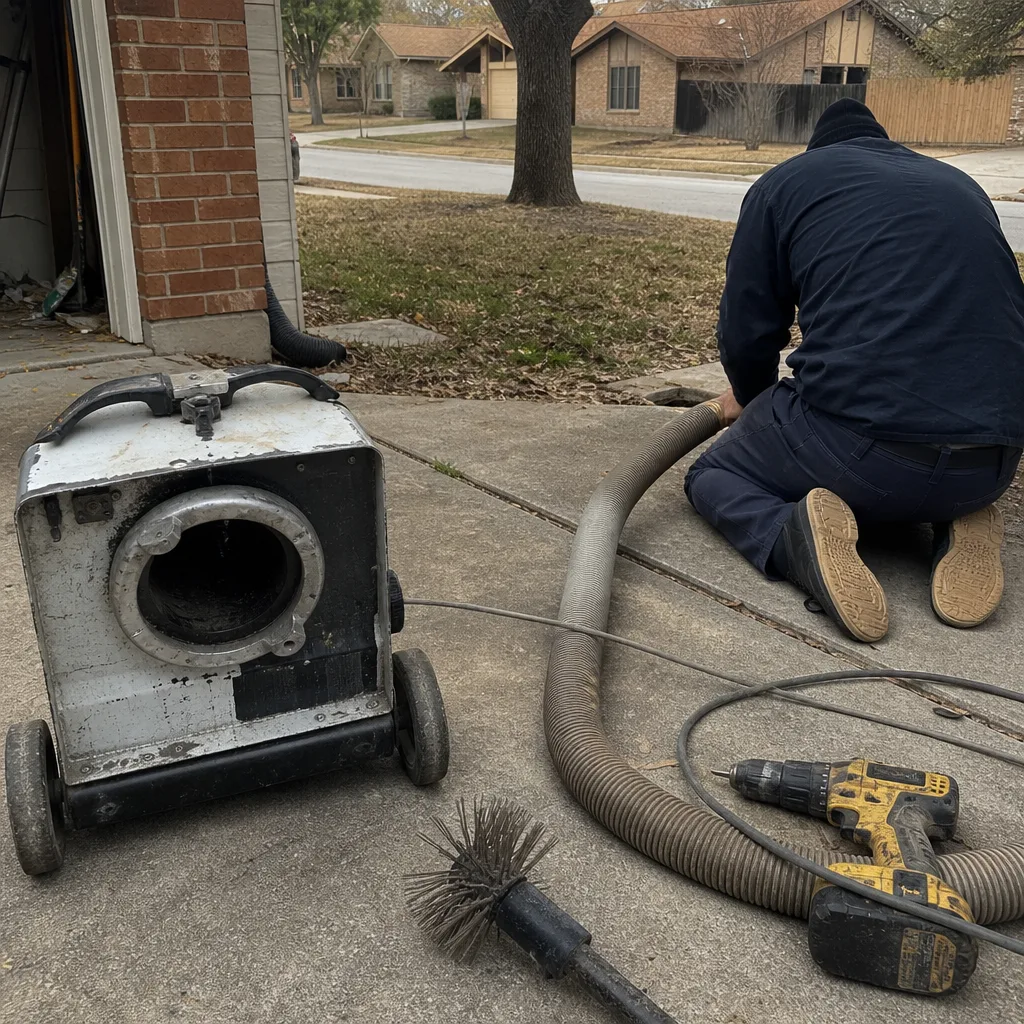 Before
 After
After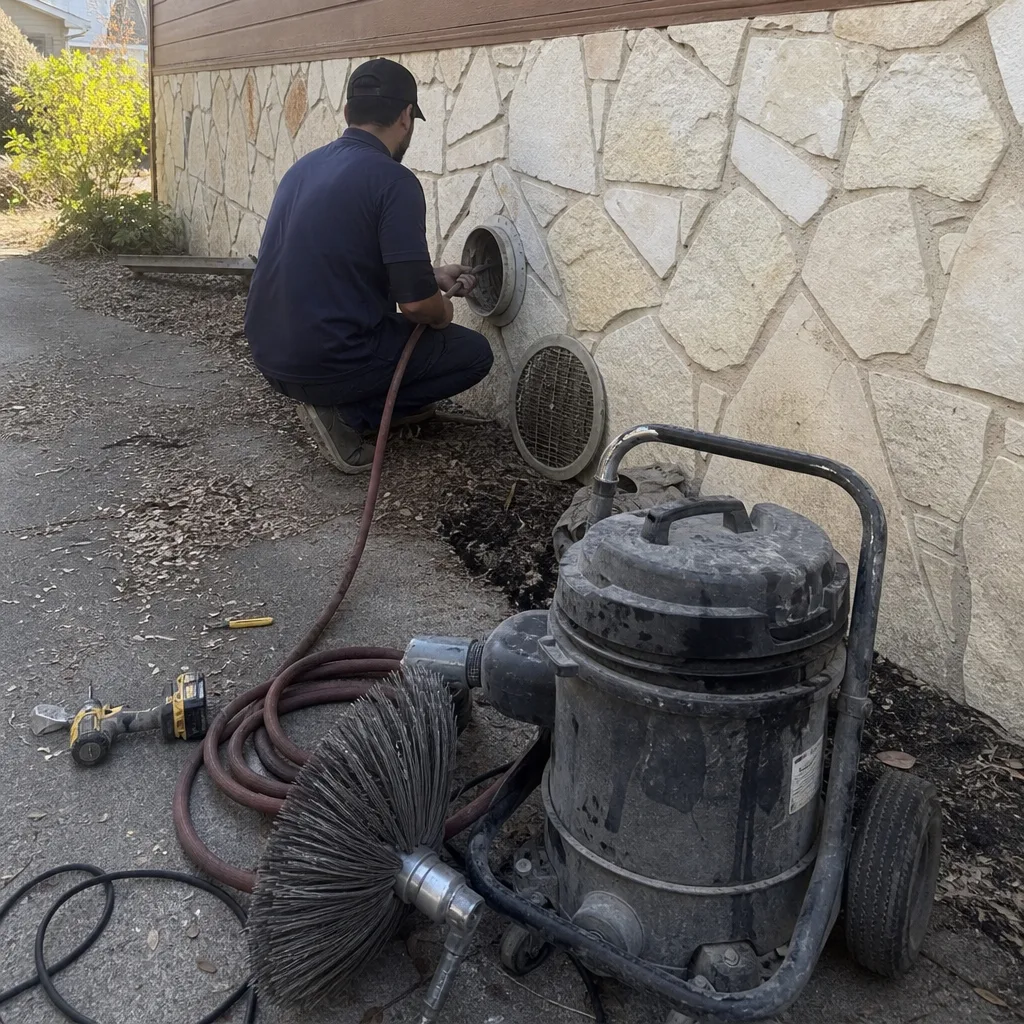 Before
 After
After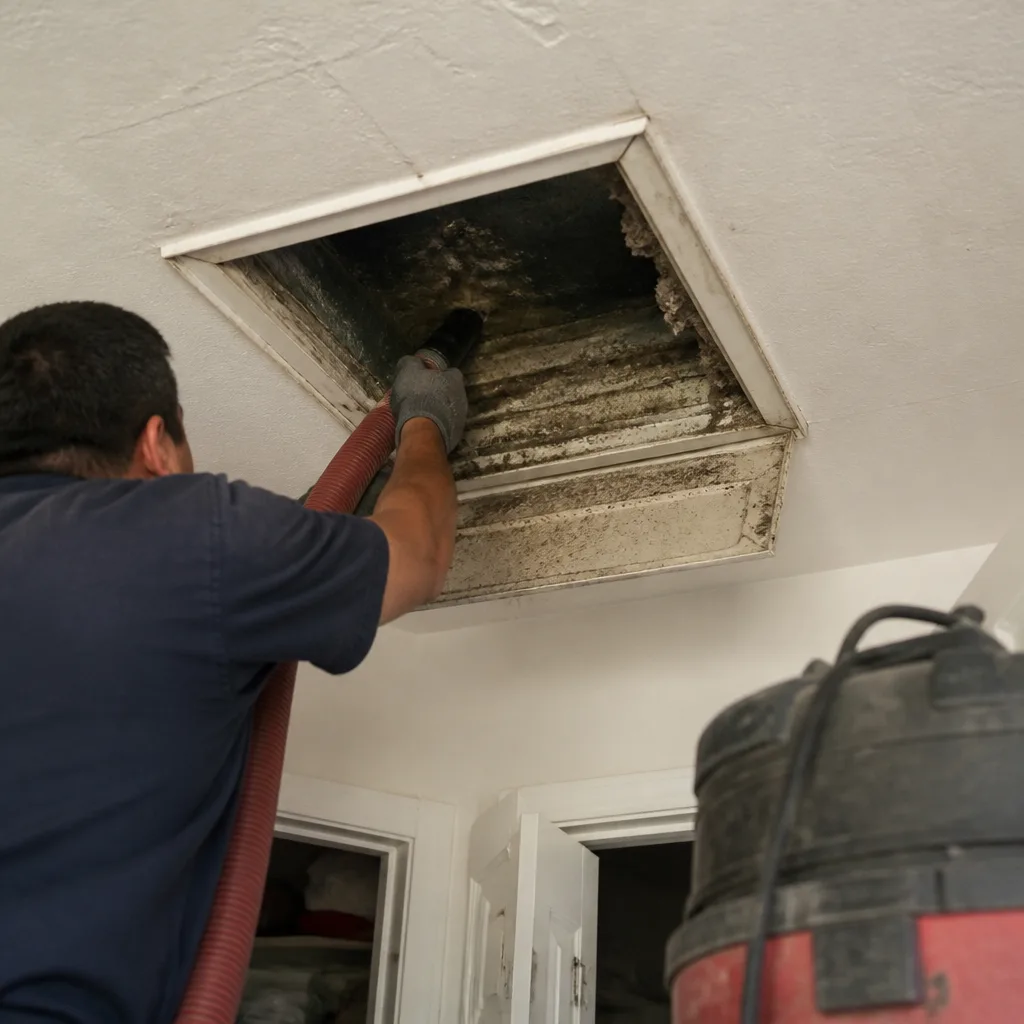 Before
 After
After