
Last updated October 15, 2026
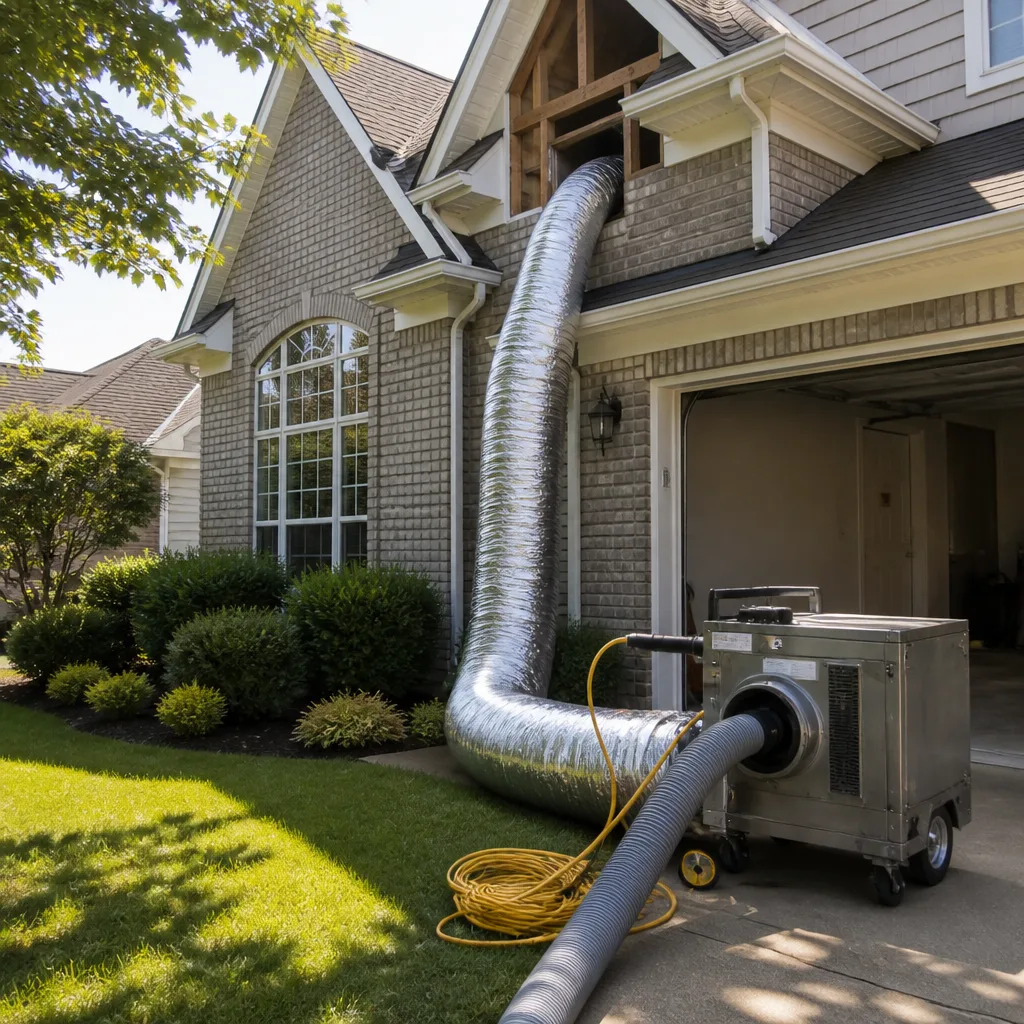 Whole-home duct cleaning
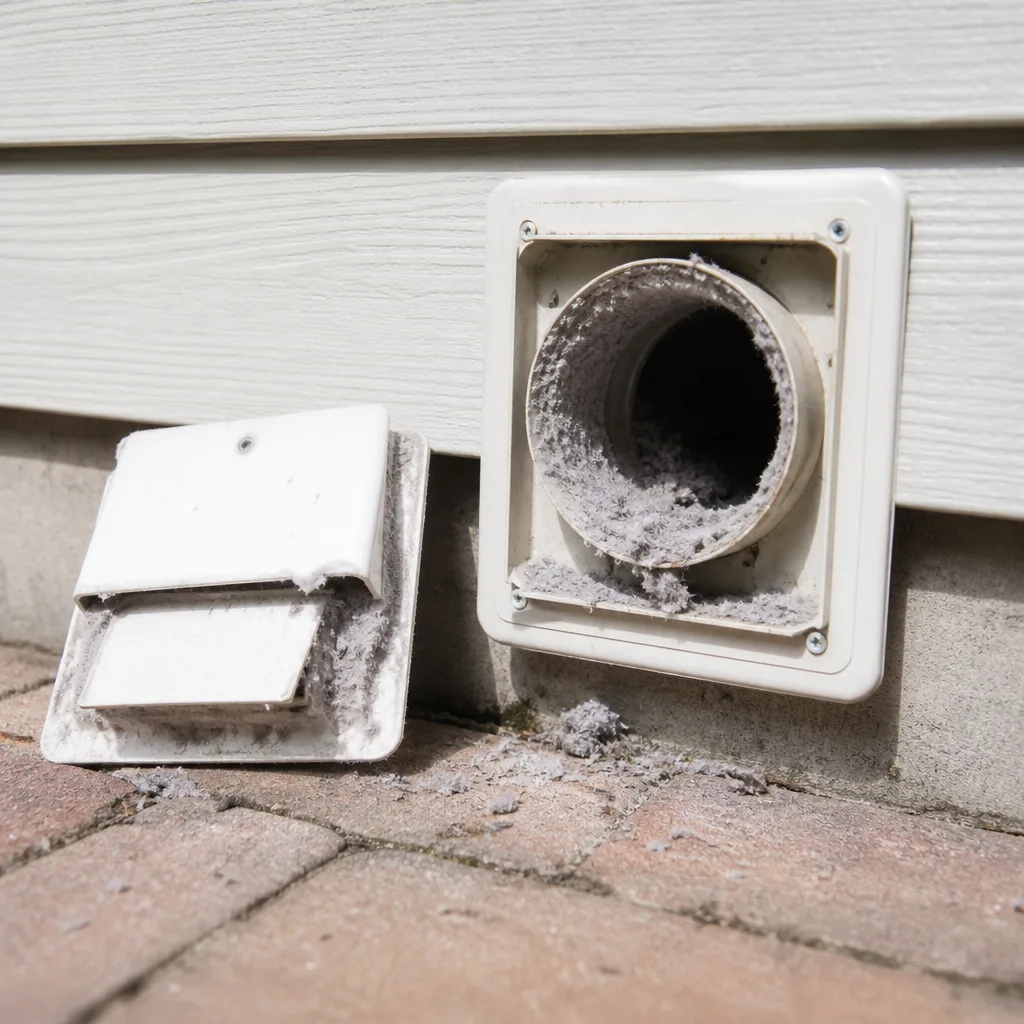 Dryer vent cleaning
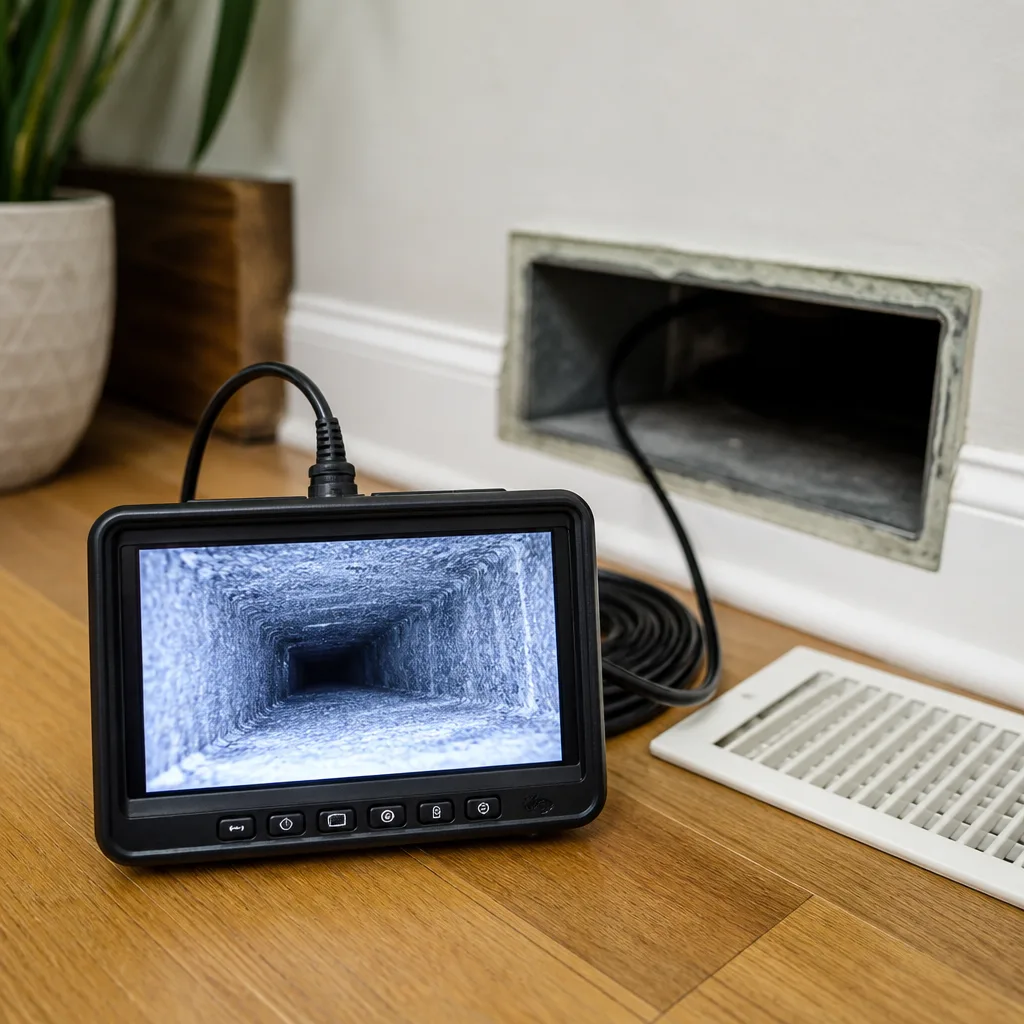 Camera inspection
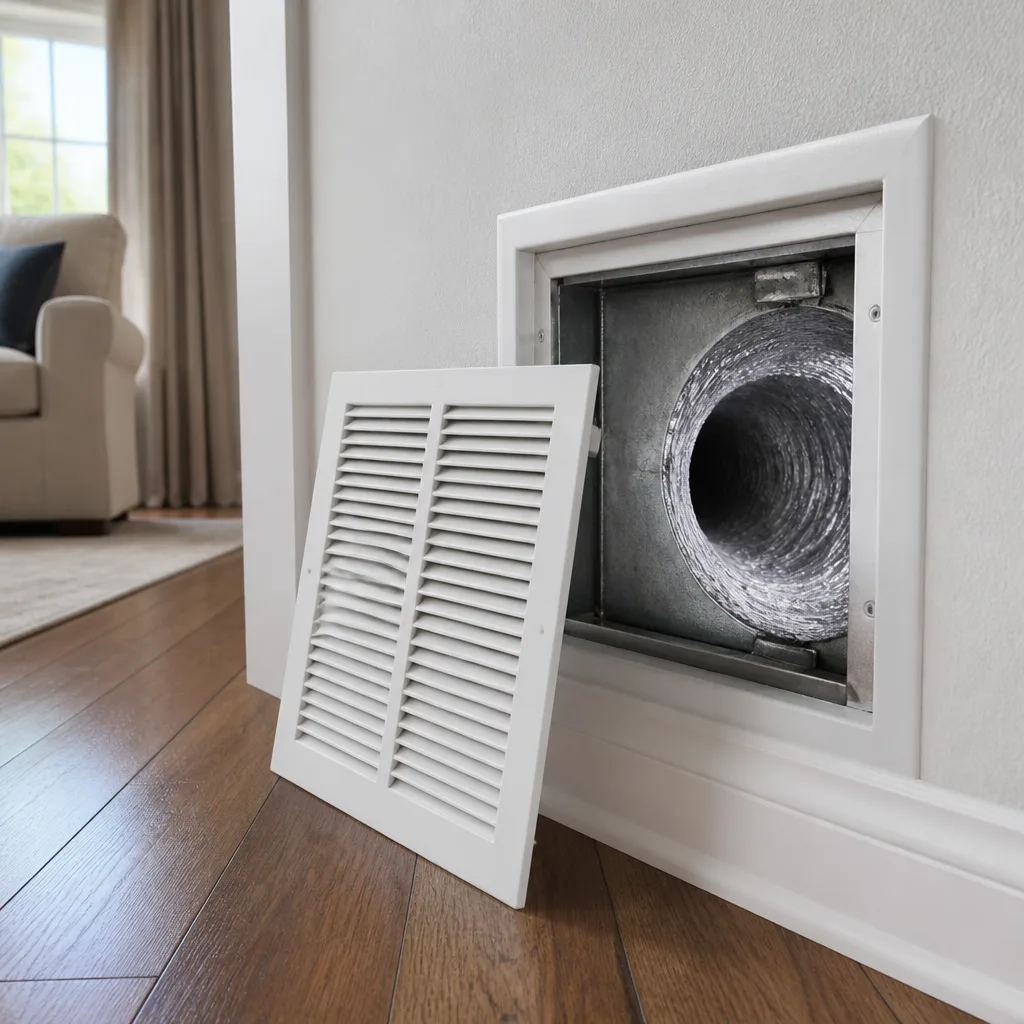 Sanitizing & deodorizing
Whole-system duct and dryer vent check with before-and-after photos - you see exactly what came out of your vents
That "$99 whole-house special" is a bait ad - the real number appears once they are in your hallway, or the "clean" is a shop-vac at the register. We photograph the inside of your ducts before and after instead.
Air Duct Cleaning Permits, Codes & Inspections in TX: What You Need to Know
Most homeowners are surprised to learn that our Air Duct Cleaning services don’t require a permit in Texas. Not from the state, not from San Antonio, not from Bexar County. But the moment a technician cuts into ductwork, seals a disconnected section, or replaces a boot, you’ve crossed into work that Texas mechanical codes and your municipality may require to be documented. Here’s exactly where that line sits, what San Antonio specifically requires, and how to protect yourself when the work is done.
Quick Answer
No permit is needed to clean your air ducts in Texas. Cleaning is a maintenance activity, not a modification. However, if your ductwork is repaired, sealed, replaced, or modified in any way that changes the system, a permit from the City of San Antonio Development Services Department is usually required, and the work must be performed by a Texas-licensed HVAC mechanical contractor.
Styles & brands we work with
Table of Contents
- What the Texas State Mechanical Code Actually Says About Ductwork
- The Line Between Cleaning and Modification: Where Permits Kick In
- San Antonio Permit Requirements for Duct Work: What the City Actually Enforces
- What ‘Duct Sealing’ Really Means and Whether It Needs a Permit
- Licensed HVAC Contractor vs. Air Duct Cleaning Specialist: When You Need Which
- How Documentation Protects You at Resale, Even When No Permit Was Needed
- Common Mistakes to Avoid
- When to Call a Professional
- Frequently Asked Questions
What the Texas State Mechanical Code Actually Says About Ductwork
The Texas State Mechanical Code is not a document most homeowners ever read, and that’s understandable. But it governs every HVAC system in the state, including the ductwork running through your attic, walls, and crawl spaces. The code adopts the International Mechanical Code with Texas-specific amendments, and it’s enforced locally by municipalities like San Antonio.
Here’s what matters for you as a homeowner: the code treats cleaning and modification as two entirely different activities.
Cleaning means removing accumulated dust, debris, pet hair, and contaminants from the interior surfaces of existing ducts. It does not change the system’s configuration, size, materials, or connections. The code does not require a permit for this, because nothing structural is being altered.
Modification means changing the system. That includes:
- Cutting into existing ductwork to add a new supply or return register
- Replacing a section of damaged duct with new material
- Resealing joints or connections using mechanical methods or mastic sealant
- Replacing a boot, plenum, or transition piece
- Rerouting ductwork to accommodate a remodel or addition
- Installing dampers, zoning controls, or airflow balancing devices
In Texas, any of these modification activities falls under mechanical work that requires a licensed contractor and, in most incorporated cities including San Antonio, a permit. The reason is simple: poorly done duct modifications change system pressure, airflow balance, and efficiency. A badly sealed connection leaks conditioned air into your attic. An undersized replacement duct starves a room of airflow. These aren’t cosmetic issues; they’re code-compliance issues.
In our experience working throughout San Antonio, most homeowners have never been told this distinction, which is why we created our Complete Guide to Air Duct Cleaning in San Antonio. They assume that because a company offers “duct services,” anything that company does to their ducts is equally legitimate. That assumption can create problems later.
The Line Between Cleaning and Modification: Where Permits Kick In
Here’s the cleanest way to think about it: if a technician’s tools touch the inside of your ducts, it’s cleaning. If their tools physically alter the ducts, it’s modification.
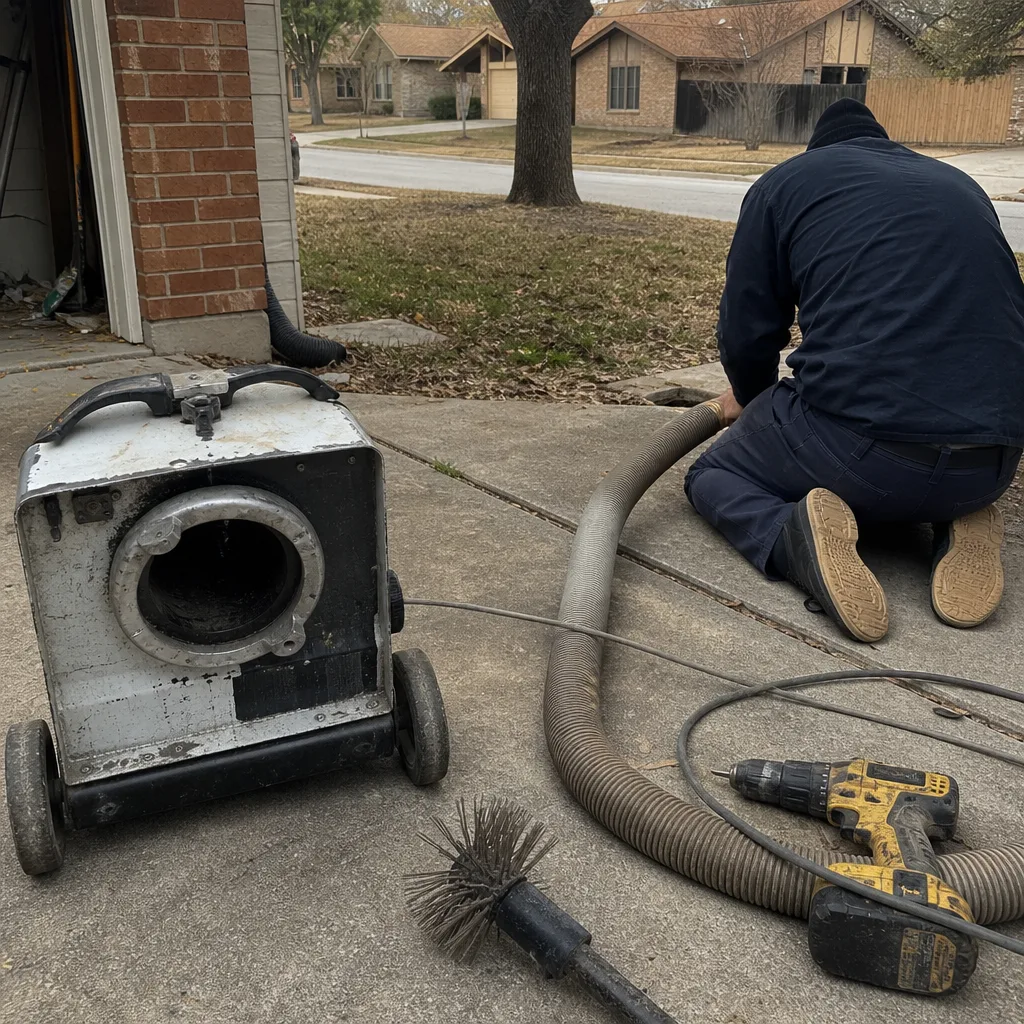
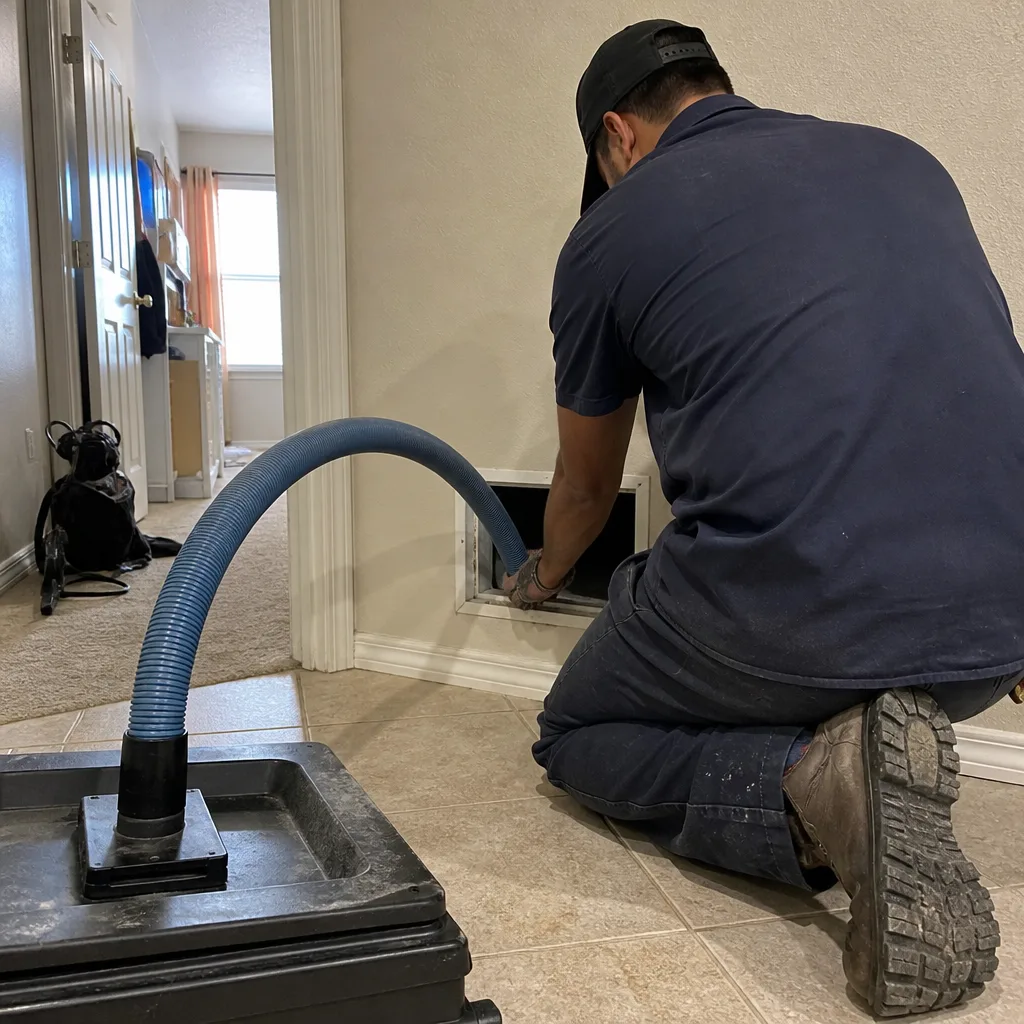
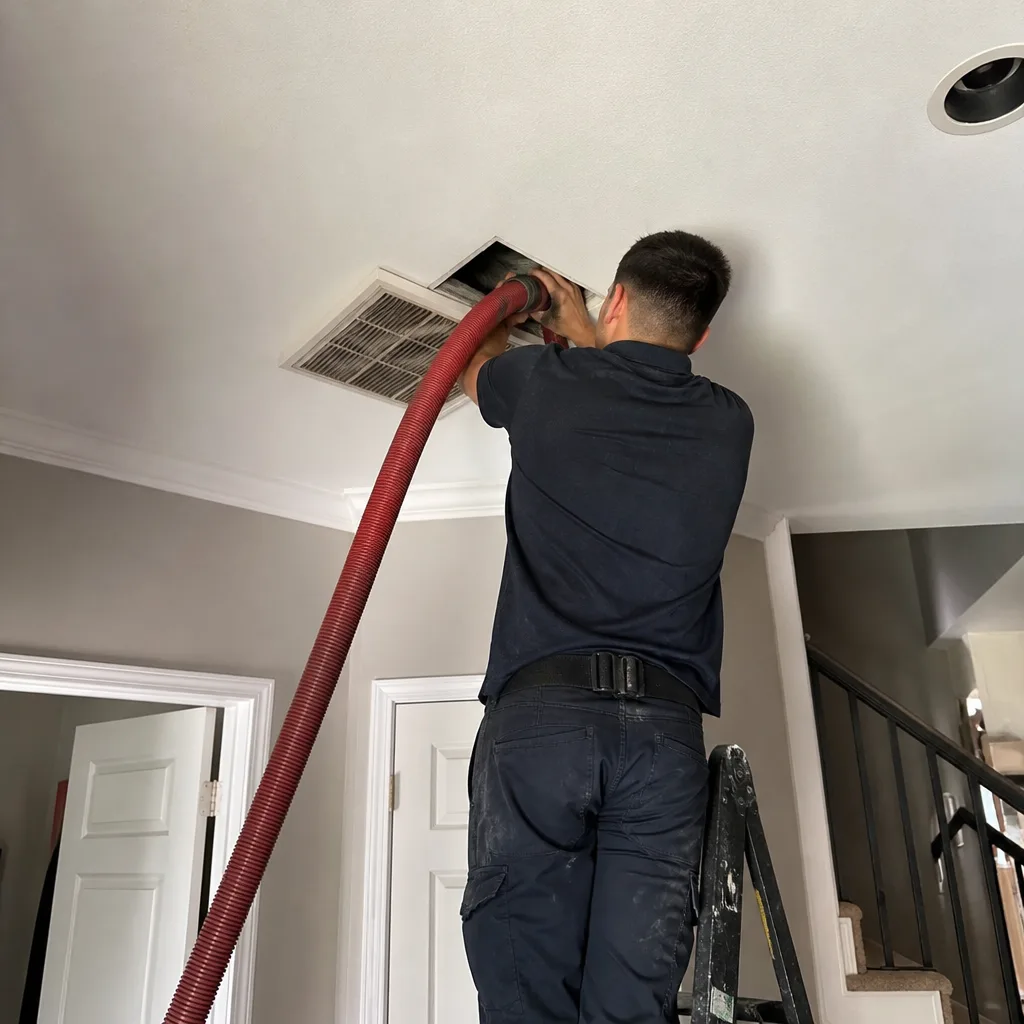
Cleaning uses negative air machines, rotary brushes, compressed air, and HEPA-filtered vacuums to dislodge and remove debris without changing the duct’s structure. When we clean ducts for families in San Antonio, we use Rotobrush and Nikro equipment to do exactly that: remove what’s inside, leave the system exactly as it was, just clean.
Modification involves cutting, removing, replacing, or resealing. The moment a section of flex duct is swapped out, the moment a metal collar is replaced, the moment mastic is applied to seal a leak, the work has entered permit territory.
Here’s a practical example from a home in the Stone Oak area. The homeowners called us for a routine cleaning after a remodel. During the cleaning, we found a disconnected return duct in the attic that had been pulling hot attic air into the system for months. Cleaning could not fix that. The duct needed to be reconnected and sealed, which is a repair, not a cleaning. We told the homeowners they would need a licensed HVAC contractor to do that work properly, and that a permit might be required depending on the scope.
That’s the line. And it matters because:
- Insurance: If an unlicensed person modifies your ductwork and something goes wrong, your homeowner’s insurance may not cover the damage.
- Code compliance: Unpermitted modifications can be flagged during a home inspection when you sell.
- Safety: Improperly modified ductwork can leak carbon monoxide from gas furnaces into living spaces if combustion air pressures change.
- Warranty: Most HVAC equipment warranties exclude damage caused by improper duct modifications.
None of this means you should distrust a cleaning company. It means you should understand what cleaning is and what it isn’t, so you can ask the right questions.
San Antonio Permit Requirements for Duct Work: What the City Actually Enforces
San Antonio’s Development Services Department handles permits for mechanical work within city limits. The city requires a mechanical permit for ductwork installation, replacement, or modification. This applies whether you’re replacing a single section of damaged duct or installing an entirely new system.
Here’s what San Antonio specifically requires for duct modification work:
- A mechanical permit pulled by a licensed contractor before work begins
- Work performed by a State of Texas licensed HVAC mechanical contractor or a technician working under that contractor’s license
- Inspections by a city code inspector at designated stages, especially if any part of the work is inside walls or ceilings that will be closed up
- Compliance with the City of San Antonio’s adopted codes, which include the International Residential Code and International Mechanical Code with local amendments
For homeowners outside city limits but within Bexar County, the rules shift. Unincorporated areas of the county may not require permits for residential mechanical work, but Texas state law still requires that anyone performing duct modification hold a state HVAC contractor license. So even where no permit is required, the licensing requirement still applies.
What does a permit actually cost for small duct repair work in San Antonio? Permit fees for minor mechanical work typically fall in the $50 to $300 range depending on the scope, but the bigger cost is the contractor’s time to pull the permit, schedule inspections, and ensure compliance. That’s why reputable HVAC contractors build permit costs into their quotes upfront, rather than springing them on you later.
If a contractor tells you a permit isn’t needed and you have doubts, you can call San Antonio Development Services directly and ask. They’re helpful, and they would rather answer a question before the work is done than field a complaint after.
What ‘Duct Sealing’ Really Means and Whether It Needs a Permit
“Duct sealing” is one of the most confusing add-ons in the air duct industry, because the term covers two entirely different procedures with different permit implications.
Aeroseal-style internal sealing: This method injects a polymer aerosol into the duct system under pressure. The aerosol particles accumulate at leak points and seal them from the inside. In Texas, this is generally treated as a maintenance activity rather than a modification, because the duct system itself is not physically altered, cut, or replaced. However, Aeroseal and similar systems are only as good as the technician running them, and the equipment is expensive enough that only a minority of companies offer it. We don’t offer this service at Mortons Air Duct San Antonio.
Manual sealing with mastic or tape: This method involves physically accessing the duct joints, cleaning them, and applying mastic sealant or UL-listed foil tape. Because this work requires physically manipulating the ducts, opening connections, and resealing them, it crosses into modification territory. If a tech is pulling collars off and reattaching them, that’s HVAC work, not cleaning work. In San Antonio, this should be done by a licensed HVAC contractor, and a permit may be required depending on the scope.
Here’s the practical takeaway: if a duct cleaning company offers to “seal your ducts” as an add-on, ask them directly:
- “Are you a licensed HVAC mechanical contractor in Texas?”
- “Will you be physically altering or reconnecting any of my ducts?”
- “Is this work going to require a permit from the City of San Antonio?”
If the answers are no, yes, and no, in that order, you may have a problem. A cleaning company that doesn’t hold an HVAC license should not be performing manual duct sealing. Walk away and call a licensed contractor instead. For more on this topic, see our full guide to Air Duct Cleaning in San Antonio.
Licensed HVAC Contractor vs. Air Duct Cleaning Specialist: When You Need Which
Texas draws a clear line between these two roles, and understanding it will save you money and headaches.
A Texas-licensed HVAC mechanical contractor has passed state exams, carries insurance, and is authorized to install, modify, repair, and replace HVAC systems and ductwork. They pull permits. Their work is inspected by the city. They’re who you call when ducts need to be rerouted, replaced, resealed, or redesigned.
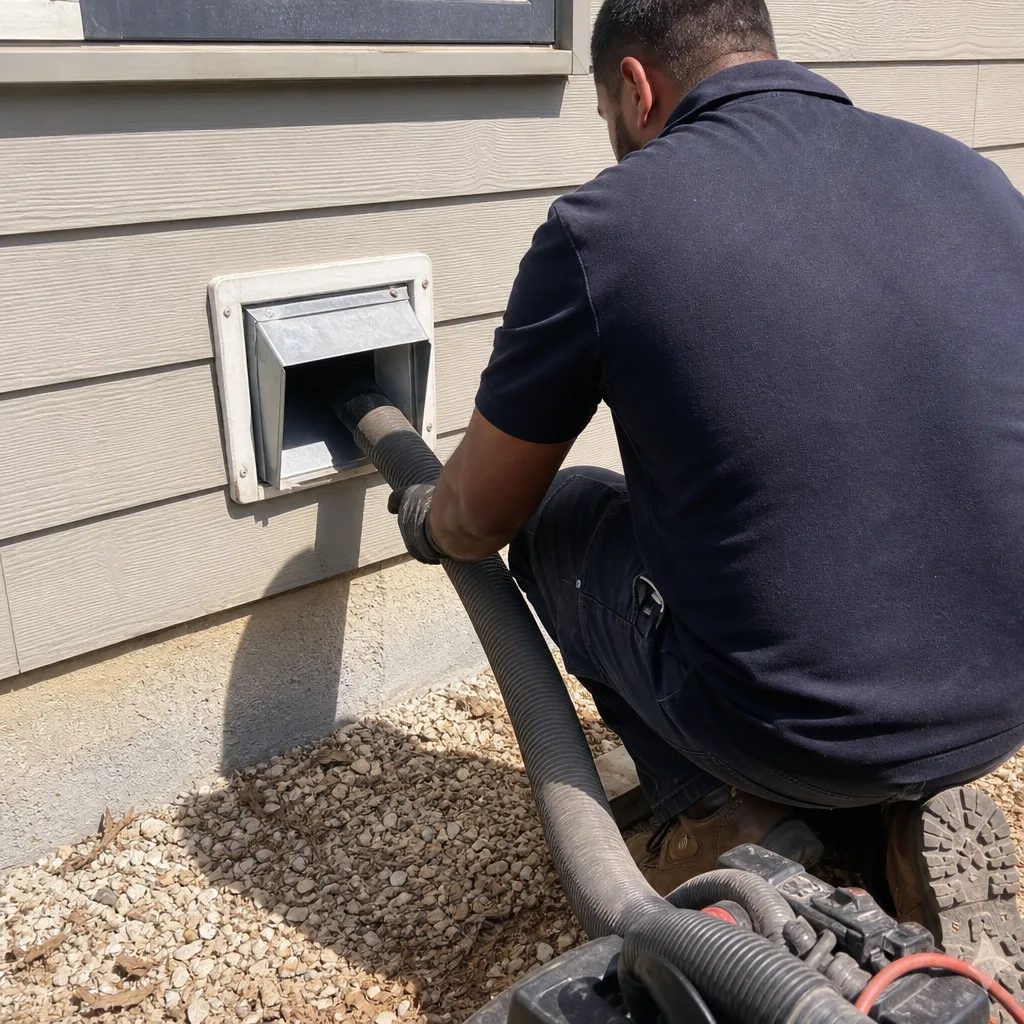
An air duct cleaning specialist cleans systems. We remove accumulated debris from ducts, coils, blower motors, and dryer vents. We use professional equipment like Rotobrush and Nikro negative air machines, and we document our work with before-and-after photos. We don’t modify your system. We don’t need an HVAC license because we’re not doing HVAC work; we’re doing cleaning work.
You need a cleaning specialist when:
- Your ducts haven’t been cleaned in years and you can see dust buildup around registers
- You’ve just completed a remodel and construction dust has settled throughout the system
- You have pets that shed heavily and you notice hair accumulating around returns
- You want to improve indoor air quality without modifying your system
You need a licensed HVAC contractor when:
- Ducts are disconnected, crushed, or damaged
- You’re adding rooms and need new supply runs
- You’re replacing your HVAC system
- Joints are leaking and need manual sealing
- Airflow is clearly imbalanced and the cause is duct design, not dirt
The two services are complementary, not competitive. A good cleaning specialist will tell you when you need a licensed contractor. A good contractor will tell you when you need a cleaning. Anyone who claims to do both without holding a Texas HVAC license is asking you to be their liability shield.
How Documentation Protects You at Resale, Even When No Permit Was Needed
Here’s a scenario we hear from homeowners in San Antonio regularly: they’re selling their home, the buyer’s inspector looks at the HVAC system, and asks, “When was the ductwork last cleaned? Do you have records?” For Air Duct Cleaning Warning Signs: A San Antonio Homeowner’s Reference Guide, see our dedicated resource.
Documentation of professional work matters, even when no permit was involved. Here’s why:
- Buyers ask. A growing number of home inspectors in Bexar County recommend duct cleaning before closing, especially in homes with pets or a history of smoking. Having a dated invoice and photos from a professional cleaning gives the buyer confidence.
- It corroborates your maintenance story. A seller who can produce documentation of regular maintenance, including duct cleaning and Dryer Vent Cleaning in San Antonio, tells a different story than a seller who says, “I think we had it done once.”
- It protects you if questions arise later. If a buyer’s inspector flags dirty ducts as a negotiation point, your documentation gives you leverage to say, “This was professionally addressed on [date]. Here’s the proof.”
- It shows compliance with manufacturer expectations. If you’ve replaced your HVAC system, the manufacturer may require regular maintenance records for warranty claims. Duct cleaning records are part of that paper trail.
What should you keep? The invoice with the date and scope of work, the before-and-after photos, and any notes about what was found. At Mortons Air Duct San Antonio, every job includes photo documentation of the cleaning, so you have a visual record of what was done and when.
You don’t need a permit for a duct cleaning. But you should keep the receipt. It’s real value that transfers with the house.
Common Mistakes to Avoid
- Hiring an unlicensed handyman to “fix” ductwork. They charge less upfront, but unpermitted, unlicensed duct modification can become a liability at resale and a safety risk today. Always verify a Texas HVAC license before anyone modifies your ducts.
- Assuming every “duct service” is the same. Cleaning and modification are different activities with different rules. Know which one you need before you make the call.
- Paying for manual duct sealing from a cleaning company. Manual sealing is HVAC work. A company without an HVAC license shouldn’t be offering it. Ask to see their Texas license.
- Throwing away cleaning receipts. Those records protect you at resale and in warranty disputes. Keep them with your HVAC paperwork.
- Skipping the permit to save a few hundred dollars. Unpermitted mechanical work in San Antonio can be flagged during inspection, and you’ll pay to pull the permit retroactively, pay fines, or both.
- Assuming Bexar County rules match City of San Antonio rules. They don’t. Know which jurisdiction you’re in and what it requires.
- Ignoring disconnected or damaged ducts you discover during a cleaning. A cleaning reveals the problem. It doesn’t fix it. Address the issue with a licensed contractor promptly.
When to Call a Professional
Call a professional air duct cleaning specialist when your ducts haven’t been cleaned in three or more years, when you’ve completed a remodel, when you notice dust buildup around registers despite regular housekeeping, or when allergies seem worse at home. For more guides & resources, explore our blog. Cleaning is straightforward, non-invasive, and doesn’t require a permit.
Call a licensed HVAC contractor when ducts are disconnected, crushed, leaking at the joints, or need replacement. That work requires licensing and, in San Antonio, usually a permit.
And if you’re not sure which one you need, ask. A reputable company will tell you honestly. Mortons Air Duct San Antonio offers free estimates in San Antonio – call (903) 354-8393 and we’ll help you figure out what you’re actually dealing with, even if that means referring you to a licensed contractor.
Frequently Asked Questions
No. Air duct cleaning is a maintenance activity, and Texas does not require a permit for cleaning. The state only requires permits for work that modifies, replaces, or installs ductwork. For more on what cleaning involves, see our Air Duct Cleaning in San Antonio page. If you’re not sure whether your situation involves cleaning or modification, call (903) 354-8393 and we’ll help you sort it out.
Air duct cleaning in San Antonio typically costs between $350 and $700 for a single-family home, depending on home size, number of systems, and how long it’s been since the last cleaning. Be wary of companies advertising $99 whole-house deals; those almost always lead to upsell pressure once the crew arrives. At Mortons Air Duct San Antonio, you get a written price before any work starts, with no per-vent surcharges and no surprise add-ons. Call (903) 354-8393 for an exact quote.
Cheaper quotes usually mean a smaller scope of work, entry-level equipment, or a “bait” price that climbs once the crew finds “problems.” Quality duct cleaning requires professional negative air machines like Rotobrush or Nikro systems, time, and thoroughness. A $99 clean can’t cover that. At Mortons Air Duct San Antonio, the price we quote is the price you pay, and it reflects professional equipment and a full-scope clean, not a teaser rate.
Ask for before-and-after photos of the inside of your ducts. A professional company will provide them without hesitation. At Mortons Air Duct San Antonio, every job includes a photo of the clean-up before the crew leaves, so you can see exactly what was done and verify the results yourself.
Most homes in San Antonio benefit from air duct cleaning every three to five years. Factors that shorten that window include multiple pets, recent construction or remodeling, allergies in the household, and living near busy roads or high-pollen areas like the Texas Hill Country. If you’ve never had your ducts cleaned and your home is more than five years old, this is a good year to check. Call (903) 354-8393 for a free estimate.
A good one will. We regularly find disconnected ducts, crushed flex runs, and leaking plenums during cleanings all over San Antonio, from Alamo Heights to Helotes. We document those findings and tell you honestly whether they’re worth addressing with a licensed HVAC contractor. We don’t fix them ourselves, because that’s not our role. But we do make sure you know what you’re dealing with.
The Bottom Line
Air duct cleaning in Texas requires no permit, no license, and no inspection. It’s maintenance, full stop. But the moment work moves beyond cleaning into sealing, repairing, replacing, or modifying ductwork, you’re in a different category, one that requires a Texas-licensed HVAC contractor and, in San Antonio, a permit. Know the line. Ask for documentation. Keep your records. And if you need a cleaning in San Antonio, Mortons Air Duct San Antonio offers free estimates and written pricing before any work starts. Call (903) 354-8393.
Written by Paul Adeyemi, Owner at Mortons Air Duct San Antonio, serving San Antonio since 2005.
See the difference
 Before
 After
After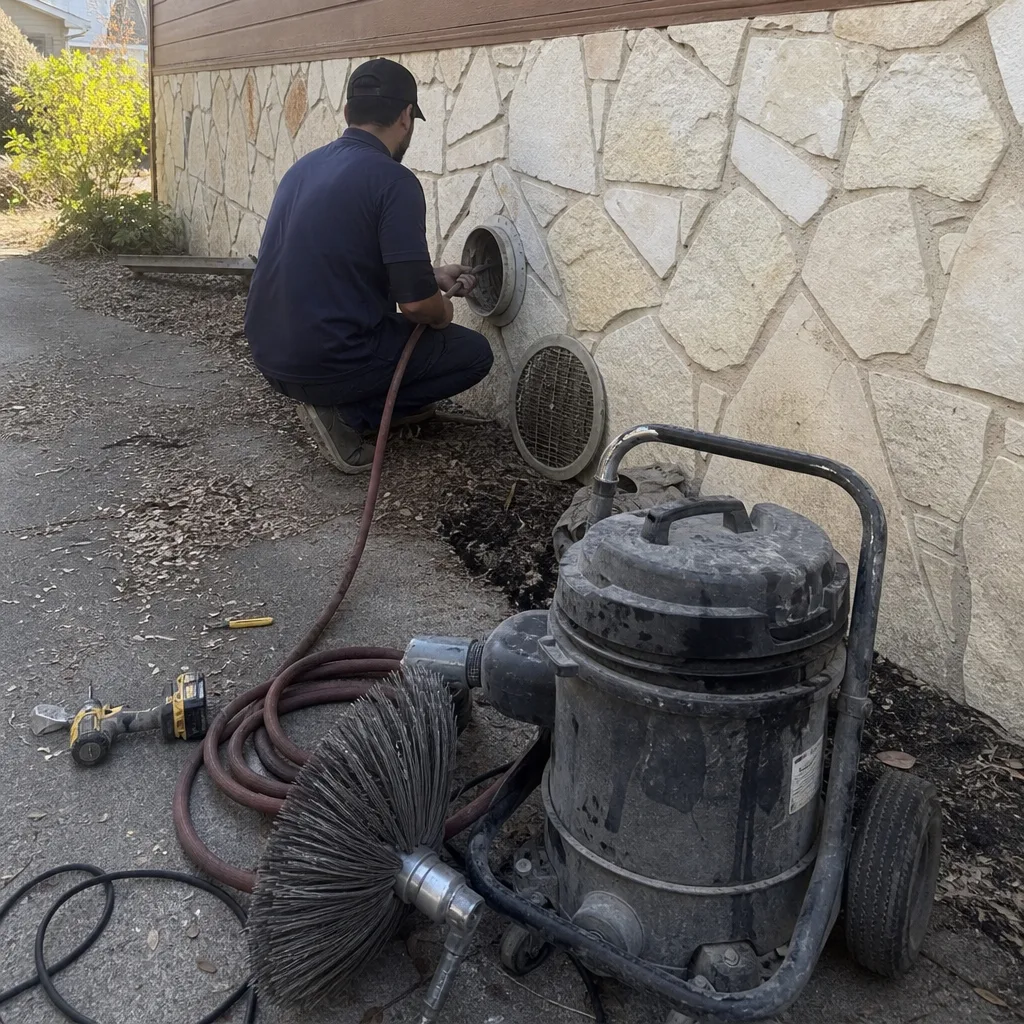 Before
 After
After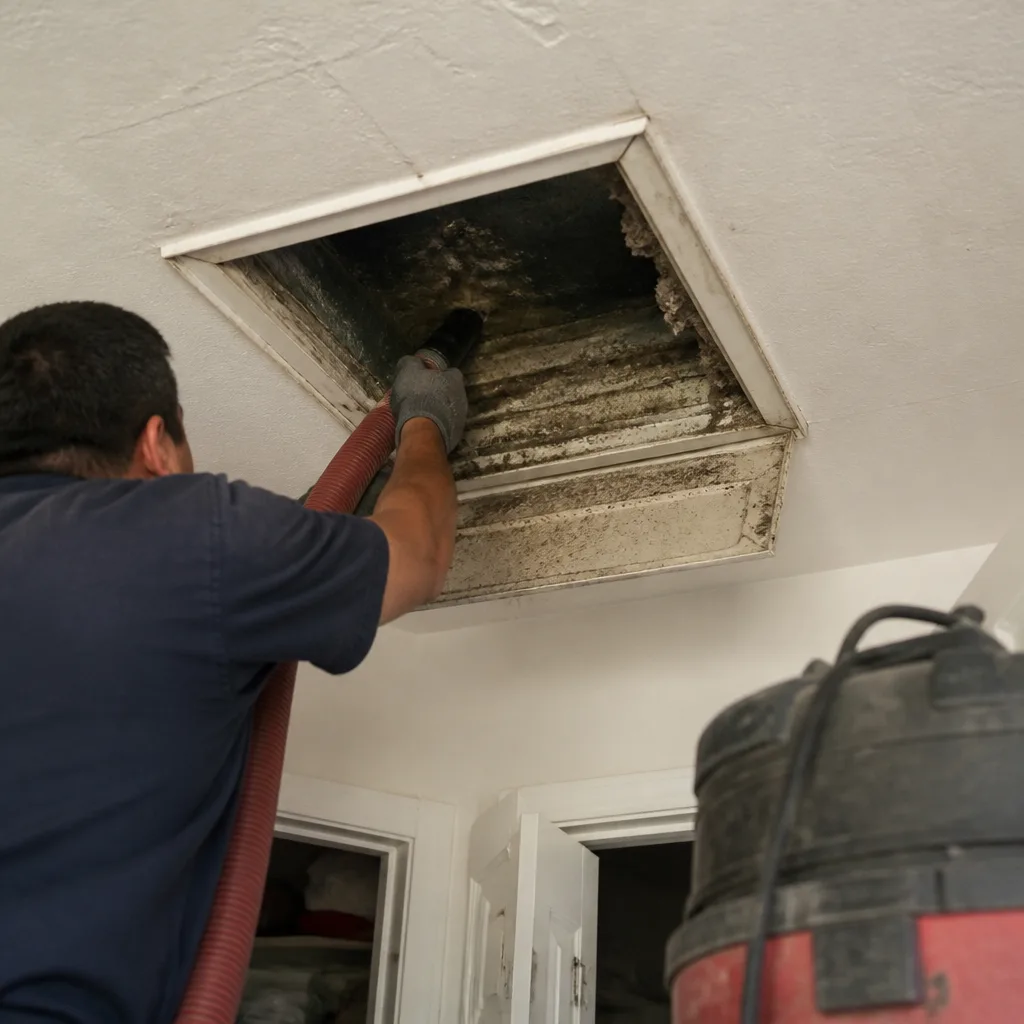 Before
 After
After